
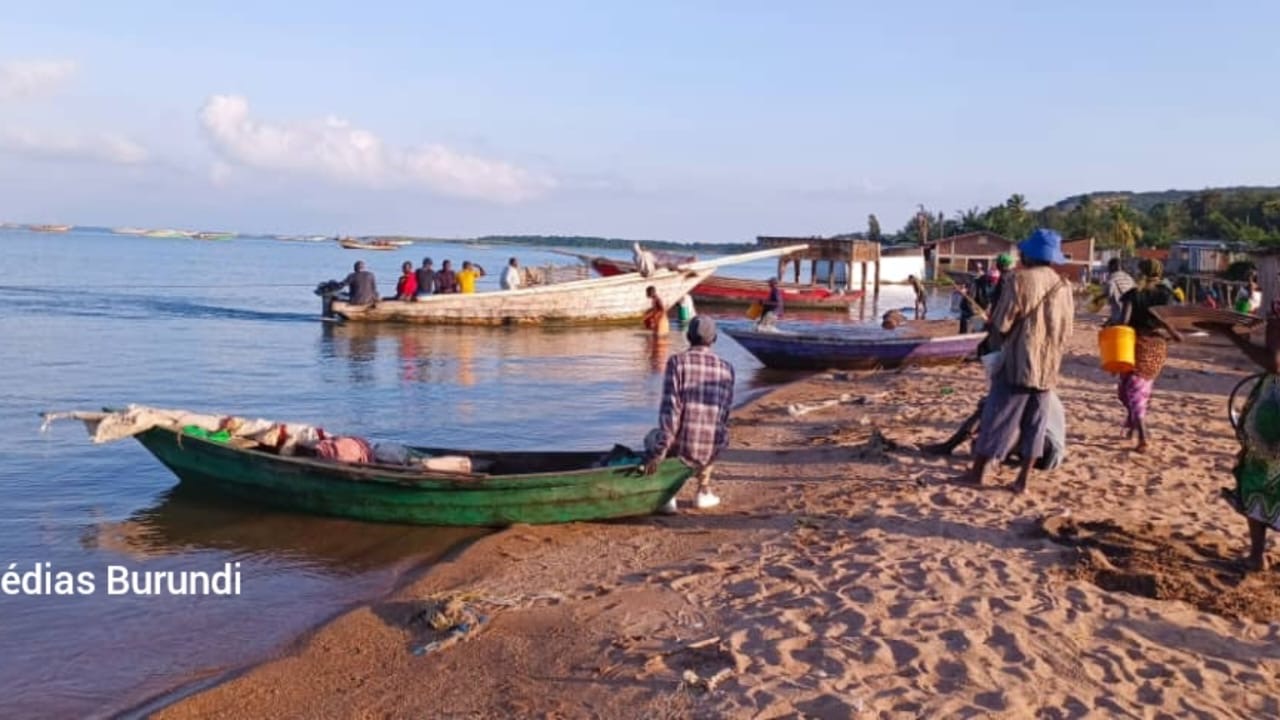
Pollution of Lake Tanganyika : a silent ecological disaster looms on Burundi’s shores
SOS Médias Burundi
Bujumbura, June 22, 2026 – The discharge of untreated wastewater, the uncontrolled exploitation of lakeside resources, and inadequate environmental protection mechanisms are increasingly threatening Lake Tanganyika, one of the world’s largest freshwater reservoirs and biodiversity hotspots. Experts and environmental advocates are warning of the ecological, economic, and health consequences of the progressive degradation of this ecosystem, vital for millions of people in the Great Lakes region.
Wastewater discharged without proper treatment
According to several environmental specialists, a significant portion of the pollution affecting Lake Tanganyika comes from industrial and domestic wastewater discharged without prior treatment.
Factories located along the shoreline produce effluents that sometimes contain chemicals that can harm aquatic organisms and human health. Experts believe that the lack or inadequacy of treatment infrastructure contributes to the accumulation of pollutants in the lake’s waters.
The direct discharge of this wastewater contributes to the progressive deterioration of water quality and threatens the ecological balance of this unique ecosystem.
An exceptional natural heritage under pressure
Shared between Burundi, the Democratic Republic of Congo, Tanzania, and Zambia, Lake Tanganyika is one of the largest freshwater lakes on the planet and one of the richest in biodiversity.
It is home to more than 250 species of fish, many of which are endemic. Among them are the Mukeke (Lates stappersii) and the Ndagaa, which play a vital role in the food supply and economy of the local communities.
This biological richness, however, rests on a fragile balance. Specialists warn that pollution is progressively reducing water quality, disrupting natural habitats, and jeopardizing the reproduction and survival of many aquatic species.
“Turbidity increases, oxygen decreases, and this gradually suffocates aquatic life,” summarizes a Burundian biologist.
According to environmentalists, the lake’s pollution not only compromises the balance of ecosystems but also the drinking water supply for millions of people living along its shores.
Uncontrolled extraction and shoreline degradation
In addition to polluting discharges, experts denounce the proliferation of sand and gravel extraction activities along several sections of the Burundian coastline.
In the Rumonge and Nyanza-Lac regions, in the south of this small East African nation, several sand and gravel extraction sites are reportedly operating without sufficient oversight, risking accelerated shoreline erosion and the degradation of the lake ecosystem.
These activities promote the massive transport of sediment into the lake. Excessive sedimentation gradually destroys the natural habitats of numerous aquatic species and contributes to the deterioration of the lake environment.
In addition to this, household waste, domestic wastewater, and agricultural runoff laden with fertilizers or other pollutants flow daily into the lake.
A threat to the economy and public health
The consequences of this degradation extend far beyond the environmental sphere.
Thousands of families who depend on fishing, the fish trade, or other lake-related activities risk seeing their livelihoods affected by the decline in fish stocks.
Experts fear that some of the lake’s iconic species will become increasingly rare if current trends continue.
The quality of drinking water could also be compromised as pollution worsens, further exposing lakeside communities to health risks.
The region’s economic development could also be affected. The decline of artisanal fishing and the underdevelopment of lake infrastructure already limit Lake Tanganyika’s economic potential.
A lack of control denounced
Several observers regret the inadequacy of environmental monitoring and protection mechanisms.
They denounce the non-compliance with certain regulations designed to protect the lake, as well as the lack of intervention in response to activities deemed destructive to the environment.
According to them, this situation encourages the continuation of practices that accelerate the degradation of a natural heritage that is strategic for the entire Great Lakes region.
Some environmental advocates believe that the absence of sanctions against those responsible for certain environmental offenses contributes to the worsening of the problem.
Proposed solutions
To reverse this trend, specialists recommend several urgent measures.
They advocate, in particular :
- the systematic treatment and recycling of wastewater before its discharge into the lake;
- the strengthening of environmental controls;
- strict monitoring of extraction activities on the shores;
- the rigorous implementation of environmental regulations;
- The involvement of local communities in protecting the shoreline;
- Strengthening the technical and financial capacities of institutions responsible for environmental management;
- Modernizing sanitation infrastructure.
For experts, preserving Lake Tanganyika means simultaneously protecting biodiversity, food security, the local economy, and the livelihoods of current and future generations.
Faced with the accumulation of threats, they believe that rapid mobilization of authorities, economic actors, and local communities is essential to prevent a silent ecological disaster from turning into an irreversible catastrophe for one of the most precious natural heritages of the Great Lakes region.
You might also like
Repatriation of Congolese refugees : Kinshasa and Gitega launch a sensitive return program amid a still fragile security context in eastern DRC
SOS Médias Burundi Bujumbura, April 22, 2026 — The Burundian government, in partnership with the United Nations High Commissioner for Refugees (UNHCR), announces the official launch of voluntary and assisted

Ituri: Ugandan-ADF rebels kill two civilians in Mayalibo
The Mayalibo village, about 1km on the national road N° 4 in the Bandavilemba groupment, Walese-Vontuku chiefdom, Ituri province, Eastern DRC was targeted by an attack in the Wednesday –

Uvira : the UNHCR encourages refugees to return
The UNHCR’s “Go and See” program has been expanding across the DRC in recent days. In collaboration with Burundian and Congolese authorities, the UNHCR had a team of Burundian refugees