Mahama camp : refugees denounce a “hidden reduction” in UNHCR assistance
SOS Médias Burundi
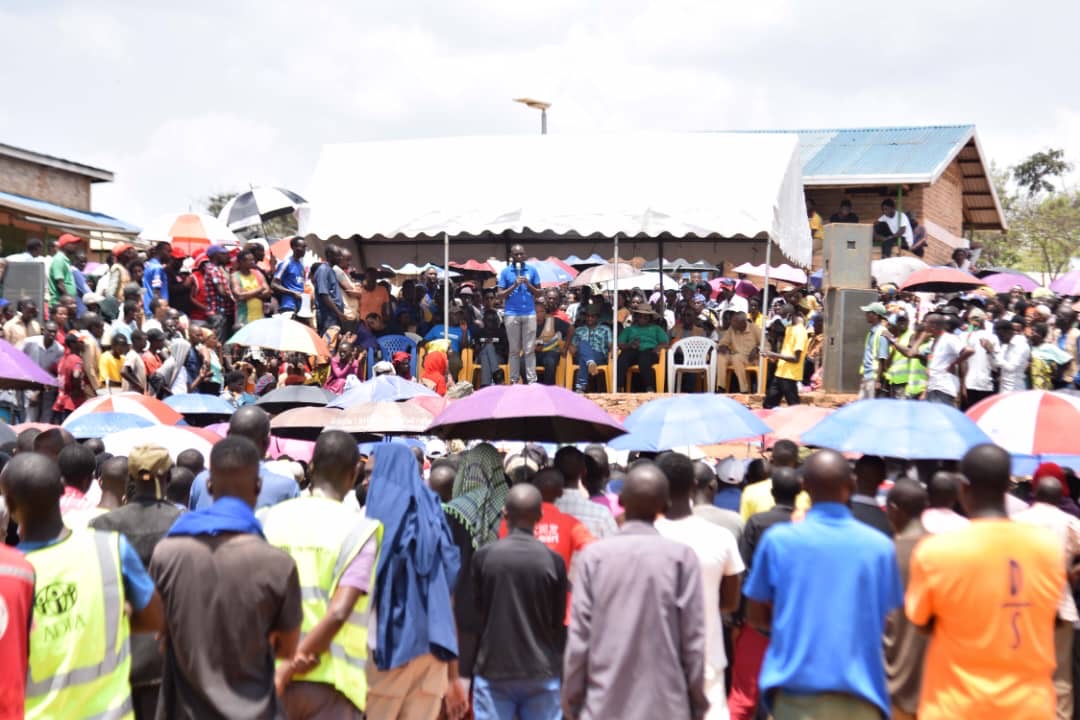
Mahama, July 31, 2026 — Refugees in Mahama camp, mostly Burundian and Congolese, are denouncing a new measure that, according to them, reduces the actual amount of cash assistance they receive each month. For the past few weeks, transaction fees related to money transfers have reportedly no longer been covered by humanitarian organizations but are instead being directly deducted from the amounts paid to beneficiaries.
Since the introduction of supplementary cash food assistance, distributed in Rwandan francs to refugees in Mahama camp, the fees associated with the transfers were covered by the United Nations High Commissioner for Refugees (UNHCR) or its partner, the World Food Program (WFP).
According to several beneficiaries, these fees generally range from 500 to 1,000 Rwandan francs, depending on the household size.
But since last month, the situation has reportedly changed. Fees are now being deducted directly from the aid received, a decision that has sparked anger and incomprehension among the refugees.
“The assistance itself is already insufficient and can barely cover two weeks, even though it’s supposed to help us for a whole month. Adding transaction fees to this meager sum only worsens our situation,” testifies a Burundian father living in Mahama.
Aid already deemed insufficient
According to the beneficiaries, refugees considered the most vulnerable receive approximately 6,800 Rwandan francs per month per person, while those classified in a less vulnerable category receive half that amount.
Refugees classified in a third category, considered to have sources of income, receive no financial assistance.
This classification continues to draw criticism in the camp.
“We have all left our homes, lost our livelihoods, and depend on humanitarian aid to survive.” “We should be treated the same,” several Burundian refugees declared.
Some camp residents also claimed that elderly, disabled, or unemployed people had been classified as receiving no assistance.
“Deducting up to 1,000 Rwandan francs from 6,800, or even half of that amount, makes life even harder in the camp,” they lamented.
Equity Bank confirms the new procedure
Initially, several refugees interpreted this measure as a further reduction in their assistance. But Equity Bank, responsible for making transfers via mobile phones, explained that the fees were no longer covered by humanitarian organizations.
“Previously, the fees were covered by the WFP and the UNHCR. But now, we are forced to deduct them directly from the amount you receive,” transfer agents reportedly explained.
The WFP also confirmed a change in the mechanism, specifying that the decision was made by the UNHCR due to financial constraints.
According to a WFP official, this is not a direct reduction in the rations allocated to households, but rather a change in how the transfer fees are covered.
“The UNHCR didn’t want to directly reduce the food ration, as that would have affected all members of a household. For now, it’s only the transfer fees, so the impact is considered less significant,” explained the official.
This justification has not convinced many refugees, who are asking humanitarian organizations to reconsider the measure.
Rwanda currently hosts more than 138,000 refugees, mainly from the Democratic Republic of Congo and Burundi.
You might also like
Mahama (Rwanda): banditry on the rise following growing poverty
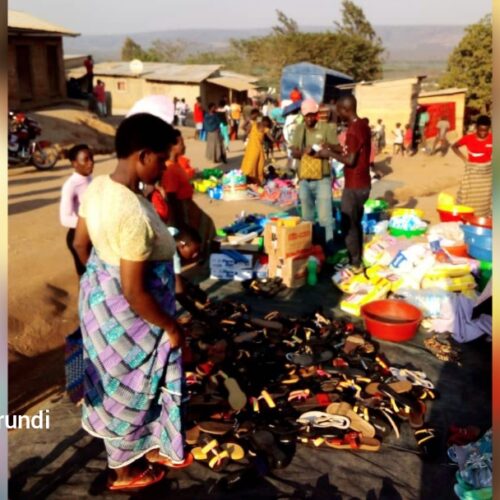
The Mahama camp in Rwanda has been famous for several cases of banditry in recent days. Household items and telephones are the most targeted. Refugees fear that this situation could
Kakuma (Kenya) : at least ten refugees killed in one week
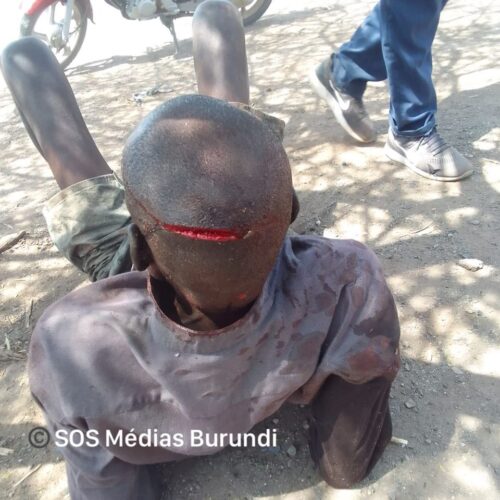
These are killings which resulted from fights and attacks between the Burundian, Congolese and South Sudanese communities installed in the Kakuma refugee camp in northwest Kenya. Four victims are of

Burundi : Refugee families fleeing war, separated from loved ones and facing uncertainty
SOS Médias Burundi Ruyigi, January 14, 2026 – The war in eastern DRC has caused thousands of civilians to flee, often separated from their families. The small east African nation