
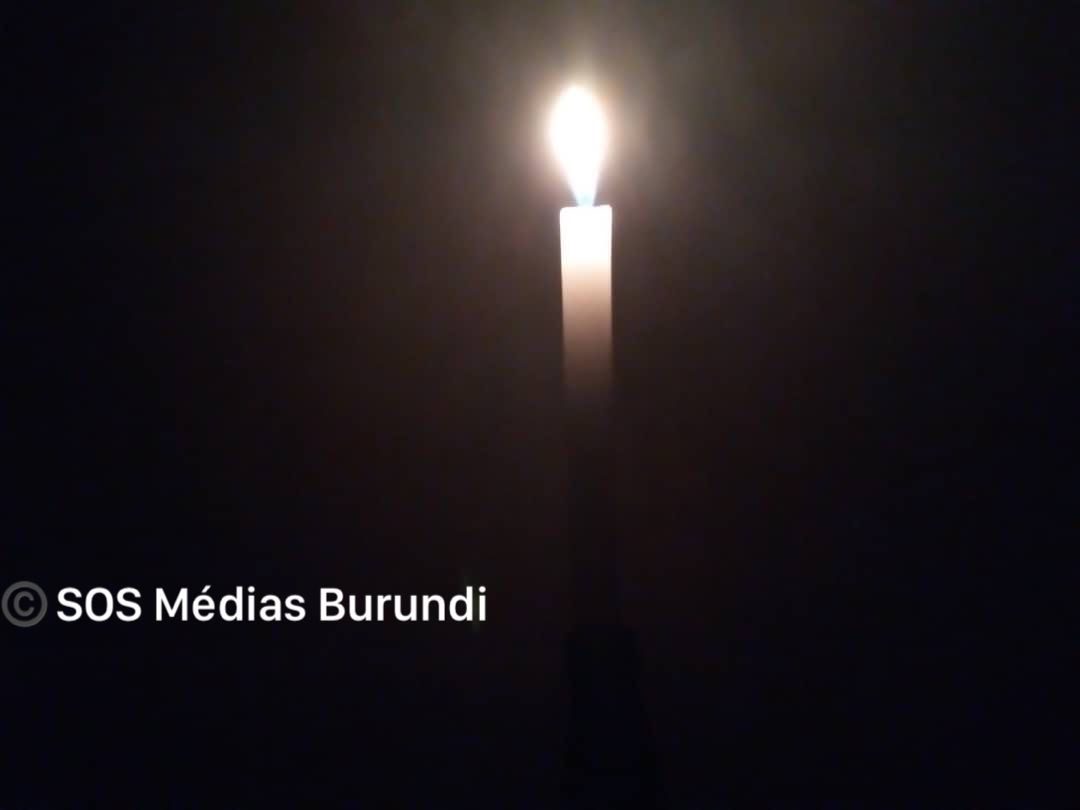
Bujumbura in the dark : power cuts strangle a capital already suffocated by the fuel crisis
SOS Médias Burundi
Bujumbura, September 9, 2026—Prolonged power outages are paralyzing a portion of activity in Burundi’s commercial capital. Offices, shops, workshops, and services are operating at a reduced capacity, while the fuel shortage deprives many businesses of a backup solution. In this small East African nation, which has been facing a persistent fuel crisis for nearly six years, the unstable electricity supply is exacerbating an already difficult economic situation.
A capital condemned to work in the dark
In Burundi’s commercial capital, where the majority of the country’s commercial activity and services are concentrated, power outages are hitting businesses, shops, and workers particularly hard.
During the day, offices are regularly left without power. Computers shut down, equipment becomes unusable, and some operations have to be suspended. Appointments are being postponed, and customers are forced to wait for the power to be restored.
“When the power goes out, we have to suspend certain operations. Customers wait, but we can’t always serve them,” says a service manager.
The situation is also affecting businesses. In some cases, the lack of electricity makes premises difficult to operate and forces customers to cut their visits short.
One crisis compounding another
Faced with power outages, generators are normally a backup solution. But in Burundi, this alternative is itself weakened by the persistent fuel shortage.
For nearly six years, the small East African nation has been facing a fuel crisis affecting various petroleum products. Irregular access to gasoline, diesel, and other fuels complicates business operations and increases costs for those who still have the means to run generators.
The electricity crisis is thus compounding the fuel crisis : even when a company wants to generate its own power, it can find itself without fuel to run its generators.
For many businesses, this double constraint significantly reduces their room for maneuver and transforms each power outage into a risk of further losses.
Regideso cites water shortages
The Water and Electricity Production and Distribution Authority (Regideso) attributes the disruptions primarily to the decrease in water resources needed for hydroelectric power generation.
At a press conference held on Monday, September 7, Regideso’s Director General, Jean Albert Manigomba, indicated that the situation could improve with the return of the rains.
Low rainfall and high temperatures have reduced the volume of water available in the dams. Electricity production capacity is decreasing while the demand remains high.
This situation puts additional pressure on the grid and results in outages that directly affect economic activity.
Moving losses
For businesses, the consequences go far beyond a few hours without electricity.
Each power outage can lead to delays in processing files, machine downtime, the suspension of certain services, or the loss of customers. In workshops and small shops, interruptions can also reduce daily revenue.
Using generators, when possible, represents an additional expense. The cost and availability of fuel make this solution difficult for many businesses to sustain.
In Bujumbura, businesses are therefore grappling with an increasingly difficult equation : less electricity, fuel scarcity, and rising operating costs.
A capital city on the verge of economic collapse
The situation highlights the vulnerability of the capital’s economy to energy supply difficulties.
In a city that concentrates a large portion of the country’s commercial activities and services, electricity is not just a matter of comfort. It is essential for the operation of offices, shops, workshops, and numerous other services.
For economic operators, waiting for the rains to return is therefore not enough to resolve the immediate difficulties.
Between fuel shortages and power cuts, Bujumbura is now paying the price for a protracted energy crisis. And for an commercial capital tasked with powering a large part of the country, every hour spent in darkness translates into suspended activities, lost revenue, and a sluggish economy. This perspective is more compelling because it clearly presents the two crises as a vicious cycle : the power cuts force the use of generators, but the fuel shortage prevents their use altogether.
You might also like

Bujumbura : FOMI fertilizer shortage, Bubanza farmers cry out for abandonment
SOS Médias Burundi Bubanza, February 11, 2026 – The distribution of FOMI (Industrial Organo-Mineral Fertilizers) organo-mineral fertilizers, organized on Wednesday in Bubanza district, in Bujumbura province in western Burundi, is

Burundi : Burundian authorities canceled an international conference of Christian women
Burundian authorities announced Thursday the suspension of an international conference of Christian women. It had been prepared by an organization led by an Apostle of Rwandan origin. The minister in

Burundi : 5,000 teachers to be recruited soon, shortage exceeds 14,000 positions
SOS Médias Burundi Bujumbura, August 23, 2026 — The Burundian government plans to recruit 5,000 new teachers to bolster staffing levels in primary and secondary schools across the country. The