
Nduta (Tanzania): prohibited drinks leads to victims
Several types of prohibited drinks, sold clandestinely, threaten the lives of refugees. The police, accused of being lax, are called upon to ensure security.
INFO SOS Médias Burundi
The consumption of these drinks represents a public and health hazard. And the consequences are evident in the streets as well as in households.
“Those who consume these drinks have swollen bellies and feet, they cause damage in the villages, they move around drunk and almost without a normal state of mind. Some even fall ill and are hospitalized. And then in these bars, there is no hygiene”, deplore refugees from Nduta.
Other consequences include family breakdown and divorce, sexual vagrancy, unwanted pregnancies, waste of family assets including the sale of assistance received…
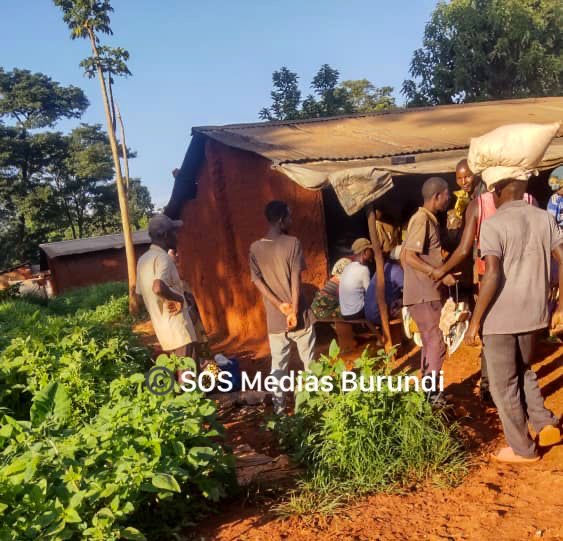
Drunkards in front of a point of sale of prohibited drinks from Burundi in Nduta, December 2024 (SOS Media Burundi)
Most of these drinks come from Burundi and enter clandestinely on Tanzanian soil, the Kigoma region in northwestern Tanzania where the Nduta site is located, being on the border with Burundi. They are made from pineapples and corn for the most part.
Some of these drinks are already prohibited in Burundi and the factories sell their products to Tanzania and especially to the refugee camps.
In the Nduta camp, one of these drinks, made in Kayanza province (northern Burundi), was named “Kirimbuzi” (or the destructive drink) because of its harmful effects.
Entry points
The entry points are the provinces of Ruyigi, Cankuzo and Makamba in eastern and southern Burundi. The three provinces border Tanzania and have several clandestine borders that they share with the Kigoma region.
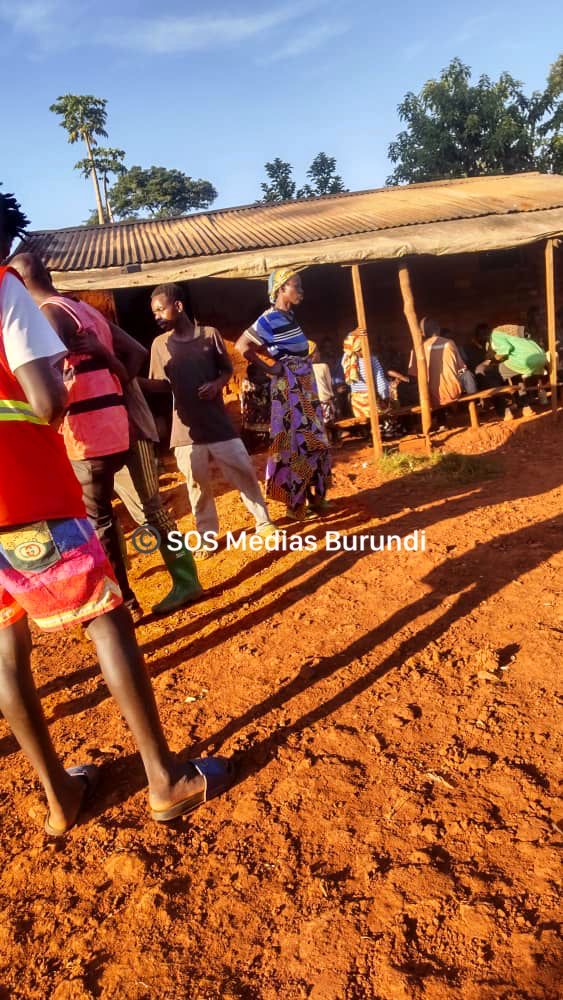
Women and men in a bar selling prohibited drinks in the Burundian refugee camp of Nduta, December 2024 (SOS Media Burundi)
The trade in these uncontrolled drinks is banned. But police officers promote their sale. Our sources speak of laxity and corruption.
“Who does not know that in several villages, especially in zones 3, 4, 5 and 10 and elsewhere, many bars are open almost every day! It seems that they are regulated because even village chiefs or police officers go there to have a drink!”, say refugees, annoyed by the growing number of drunks in the camp.
Local sources emphasize that laxity and corruption push the police and the administration to turn a deaf ear “especially to the lamentations of women who worry about their husbands and households”.
Another administrative source states that “a colossal sum is collected in the form of contributions to be finally given to the police every week” from the owners of these “banned” bistros.
Burundian refugees from Nduta regret that this practice endangers life in the camp and public order. They call on the president of the camp, the head of the police to take up the issue. “This would amount to protecting us,” they insist.
Nduta is home to more than 58,000 Burundian refugees. Its occupants fled the 2015 crisis following another controversial term of late President Pierre Nkurunziza the same year, for the most part.
——-
Men from Nduta camp in front of a bar selling prohibited drinks, December 2024 (SOS Media Burundi)
You might also like
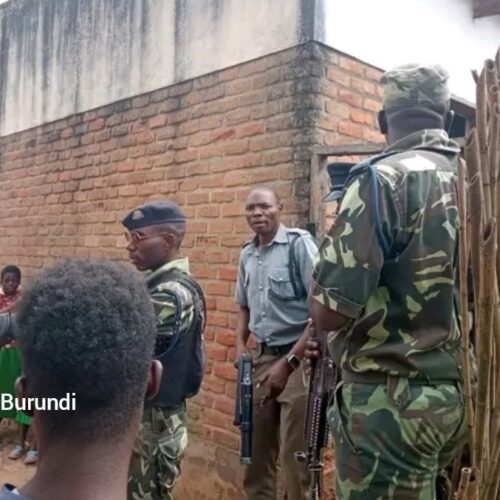
Dzaleka : a Congolese refugee found dead, strangled, and robbed of his motorcycle
SOS Médias Burundi Dzaleka, June 3, 2025 – A young Congolese refugee was found dead near the Dzaleka camp in central Malawi on Monday. According to police, the victim, aged

Burundi : “No one has the right to exile half a million Burundians,” pleads Marguerite Barankitse
SOS Médias Burundi Kigali, June 21, 2026 – As the world celebrated the World Refugee Day on June 20, testimonies and calls for solidarity with those forced into exile resonated
: prohibited drinks leads to victims)
Mahama camp : the distress of children turns into suicides
SOS Médias Burundi Mahama, September 18, 2025 – In the last three months, five suicide cases, several involving children, have been recorded in Mahama camp in eastern Rwanda. Most are