Dzaleka (Malawi) : Burundian refugees stage a sit-in against discrimination in humanitarian aid
SOS Médias Burundi
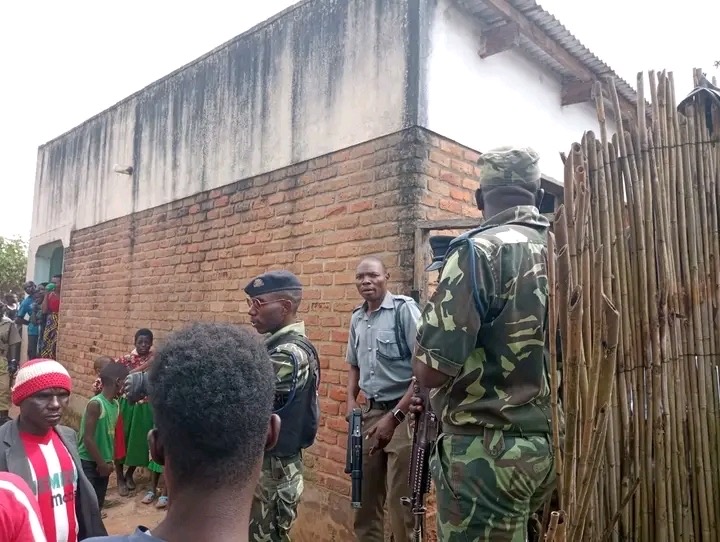
Dzaleka, May 21, 2025 – More than 150 Burundian refugees held a sit-in on Monday in front of their representative’s office in Dzaleka camp, Malawi. They are protesting what they describe as systemic discrimination in access to humanitarian aid and social services.
According to these refugees, Burundians are largely marginalized in assistance programs, particularly those dedicated to vulnerable people—the elderly, the disabled, or unaccompanied children—supported by the UNHCR through its partners.
“This is why, if there are NGOs donating food, clothing, or registering applicants for the third host country, we are not informed. “Out of 100 beneficiaries, you can find fewer than five Burundians there,” they lamented in a statement addressed to their community leader.
Faced with the mobilization, the local refugees’ representative alerted the United Nations High Commissioner for Refugees (UNHCR), which promised to open an investigation. “We can never accept that anyone is discriminated against. To our knowledge, we provide equal opportunities to all refugees,” declared a UNHCR official at the camp. He affirmed that “verifications will be conducted to correct any cases of cronyism or disparities introduced by community agents.”
The same grievances were forwarded to partner NGOs such as Plan Malawi and the Red Cross.
The case, which affects a camp hosting more than 50,000 people, including 11,000 Burundians, has aroused deep emotion. “We fled persecution, but here too, we feel forgotten.” “It’s as if our nationality is a burden,” confided an elderly refugee participating in the sit-in.
Dzaleka Camp : A refuge and a humanitarian challenge
Located about fifty kilometers from Lilongwe, the capital of Malawi, Dzaleka Camp was established in 1994. It currently hosts more than 50,000 refugees and asylum seekers, mainly from the Democratic Republic of Congo, Burundi, Rwanda, and Ethiopia. Burundians represent approximately 11,000 people.
For several years, Malawi, with the support of the UNHCR, has implemented a local integration program aimed at reducing traditional humanitarian aid. Refugees are encouraged to become self-sufficient through access to agriculture, trade, and cohabitation with host communities.
However, this policy faces limitations, particularly in terms of available resources, perceived discrimination between communities, and the slow pace of resettlement programs to a third country. Burundians, in particular, denounce increasing marginalization in the management of aid and opportunities within the camp.
You might also like
Tanzania : Nduta camp permanently closed
SOS Médias Burundi Nduta, April 30, 2026 — As of Thursday, April 30, the Burundian refugee camp in Nduta, Tanzania, is no longer operational. It has been officially closed, and

Gitega : crackdown on Congolese refugees living in the city
SOS Médias Burundi Gitega, September 5, 2026—Several Congolese refugees living in different neighborhoods of Gitega, the political capital of Burundi, were arrested early Saturday morning, September 5, during a police
 : Burundian refugees stage a sit-in against discrimination in humanitarian aid)
Nduta–Nyarugusu : when Tanzania razes camps to force the return of Burundian refugees
SOS Médias Burundi Nduta, January 8, 2026 – The destruction of Burundian refugee camps continues in Tanzania, raising serious concerns among human rights organizations and the refugees themselves. After Nyarugusu,