Kirundo : security barriers, nighttime fear, and suspicions of corruption
SOS Médias Burundi
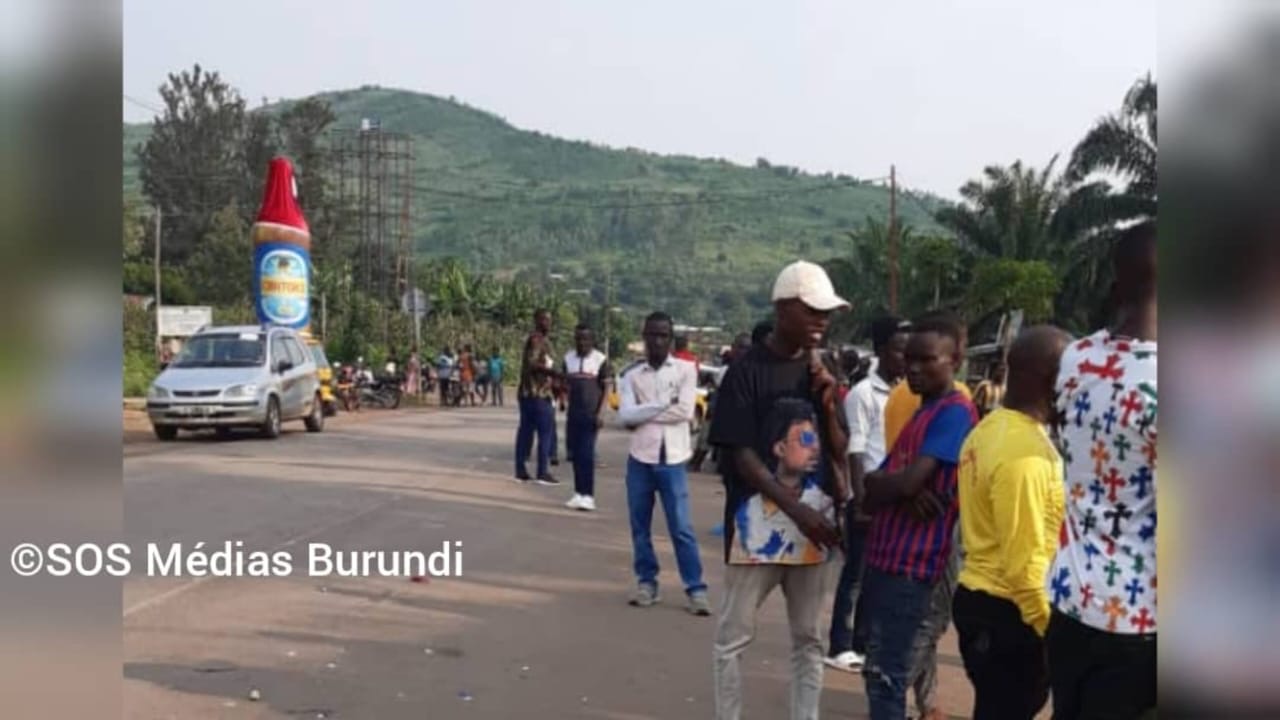
Kirundo, September 8, 2025 — The installation of metal barriers and nighttime checkpoints at the entrances to the town of Kirundo, in northern Burundi, is causing a wave of concern among the local population. Officially put in place for security reasons, these measures have profoundly disrupted the daily lives of residents, creating a climate of fear, frustration, and accusations of corruption.
For several days, wire barriers have been installed at various entrances to Kirundo’s urban center, while checkpoints are erected every night on the roads leading to the border towns with Rwanda.
According to police and administrative sources, these measures are aimed at preventing possible armed infiltration, linked to the intensification of fighting in eastern DRC. Kirundo is perceived as a potentially vulnerable point due to its proximity to the border.
Motorcyclists on the front line
The measures are severely affecting motorcycle taxi riders, who are numerous in the city. Since the restrictions were introduced, no motorcycles have been allowed to operate after 8 p.m.
“We are forbidden from working in the evening, even though that’s when we had the most customers,” laments a motorcyclist.
Worse still, motorcyclists say they are encouraged to monitor each other and report those who break the rules, a situation that creates a climate of suspicion among colleagues.
Sanctions deemed excessive
Several motorcycles were seized by the police and immobilized at the Kirundo police station. According to testimonies collected, more than one hundred motorcycles are affected.
“To get the motorcycle back, you have to stay two weeks without work and pay a fine of 100,000 Burundi francs to the OBR (Burundi Revenue Authority) account,” says a visibly bitter rider.
Many consider these penalties disproportionate, particularly in a context of high costs of living that are already putting even the poorest families at risk.
Shopkeepers and residents penalized
Shopkeepers in the city center are not spared. Bars, restaurants, and shops now close well before 8 p.m., under penalty of being checked or fined.
“Before, bikers would come by late to buy milk or tea. Now, at 7:30 p.m., everyone packs up,” says a saleswoman.
A local butcher estimates he has lost half his income : “We throw away meat every day. The evening customers no longer come.”
A climate of fear for families
Many ordinary residents express their anxiety about these restrictions. Riding after 8 p.m. now means risking arrest or harassment, even in an emergency.
“When a child gets sick at night, you think twice before going to get a taxi. The roadblocks are scary,” says a father.
Suspicions of corruption
In addition to these difficulties, several accusations of corruption have been made against officers stationed at the roadblocks. Residents claim that bribes are demanded to let certain vehicles pass, particularly those carrying illicit goods.
“At night, no vehicle passes without leaving something for the police,” says a resident who requested anonymity.
These practices undermine confidence in the real motives behind the security measures put in place.
Defending the authorities
When questioned on this matter, local authorities maintain that the restrictions are necessary to ensure security.
“The population must understand that security comes at a price. We’re not trying to cause harm,” explains an administration official in Kirundo.
A police officer adds :
“If vehicles or motorcycles are immobilized, it’s only because they didn’t follow instructions.”
Security or abuse of power?
Although presented as a preventive response to a regional insecurity risk, these measures raise many questions about their actual effectiveness, and about the blurred line between security, abuse of authority, and personal enrichment.
A tense climate against a backdrop of regional threats
This tightening of security in Kirundo is part of a regional context marked by tensions between Burundi and its Rwandan neighbor. On several occasions, President Évariste Ndayishimiye has claimed to have information indicating that Rwanda is planning attacks against Burundi.
“We will not accept dying like the Congolese who are being killed like goats.” “I have already warned Rwanda,” the Burundian president declared during a public speech, referring to the violence perpetrated in the east of the DRC.
You might also like
Gitega : a short arrest of members of the CNL party that leaves questions
Methuselah Nijimbere, Pascal Nyambere and Nestor Ciza were arrested Thursday early in the afternoon by Imbonerakure (members of the CNDD-FDD youth league) and the police then taken to the dungeons

Rwanda-DRC: DRC accuses Rwanda of planning a massacre of Congolese Tutsis in order to find an alibi to invade (press release)
In a press release, the Congolese army again accuses the Rwandan army of having sent troops to the province of North Kivu (eastern DRC) to occupy certain areas of this

Burundi-DRC : Burundi sends other soldiers to Congo
According to the permanent secretary of the national security council, the second group of Burundian soldiers joined Congolese territory on Wednesday. At a time when the first group which went