
Conflict in the DRC : the specter of flat embrace on Western Burundi
SOS Médias Burundi
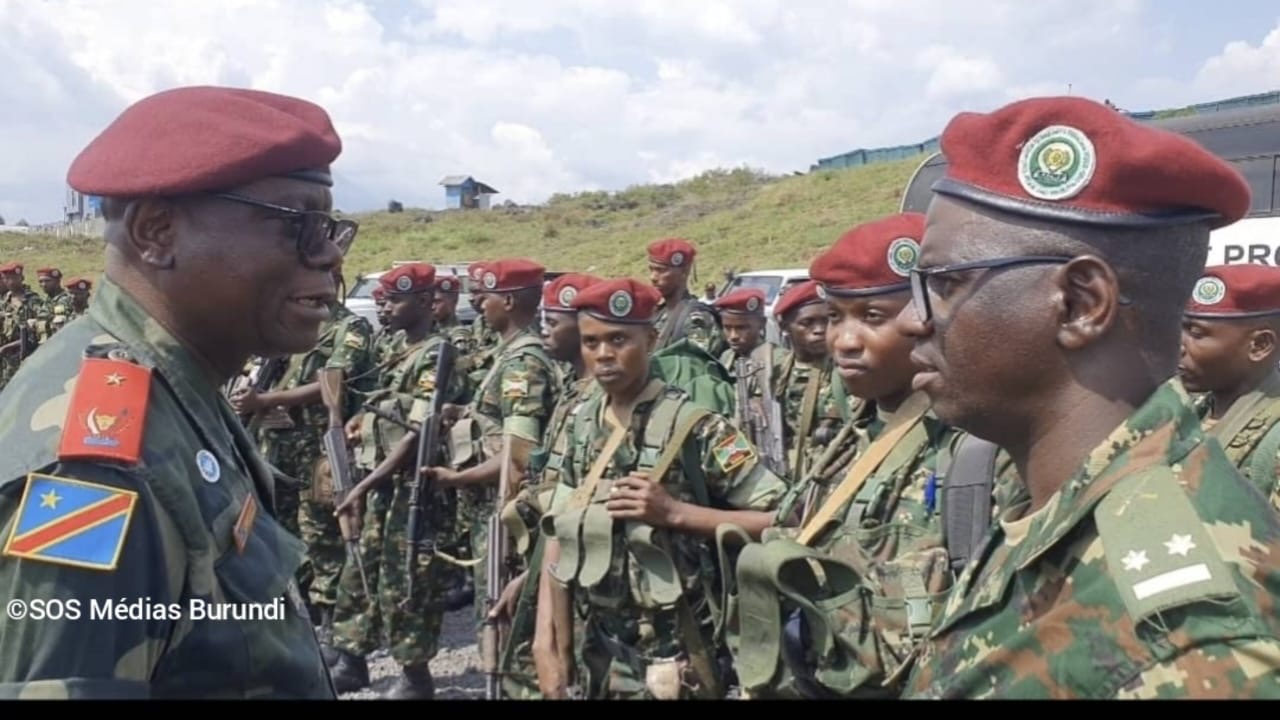
Bujumbura, September 18, 2025 – In western Burundi, borders are under high tension. The M23, a former Tutsi rebellion active in the DRC since 2021, is making progress in North and South Kivu, while the small east African nation has deployed about 10,000 troops to support the FARDC and local militias. For many Burundians, these fighting represent “unnecessary sacrifices in a war that is not ours”.
The M23 took up arms in late 2021, blaming the Congolese authorities for failing to honor their reintegration commitments. Since the beginning of the year, its rebels, suspected of receiving support from Rwanda, which Kigali formally denies, have taken over the capitals of North Kivu and South Kivu provinces as well as several strategic mineral-rich areas.
The failure of the fighting in the DRC is felt even in the border hills. The inhabitants of Rukaramu, Gatumba or Vugizo-Warubondo live in an atmosphere of fear, rhythmed by explosions from across the Rusizi, the river that separates Burundi and Congo, and by the massive movements of Burundian soldiers.
Ndadaye Airport, military turntable
According to security sources, the Melchior Ndadaye International Airport in Bujumbura, the commercial capital of Burundi, would become a real arms and ammunition depot. Cargo planes from Belgium, Tanzania, South Africa or Colombia would regularly land there, carrying military equipment and mercenaries intended to reinforce the Congolese army and its allies, including the FARDC, the FDNB and local militias maintained by Kinshasa.
The final destination : the east of the DRC, namely the city of Uvira, located a few kilometers from Bujumbura and threatened by the advance of the M23 and its allies of Twirwaneho, a Congolese armed movement composed of members of the Banyamulenge community.
Fears of regional embrace
The militarization is also taking place on Lake Tanganyika, where ships from Kalemie (Tanganyika province, southeastern DRC) would dock at the port of Bujumbura, loaded with heavy weapons. For many observers, the risk of a war spreading beyond Congolese borders can no longer be ruled out.
“Drones take off every day from Bujumbura airport to bomb M23 positions. If the latter respond, we must fear human and material damage on the Burundian territory,” confides a resident of the capital.
Burundian soldiers sent to the front
Over the past two years, several Burundian soldiers have been killed in North Kivu and South Kivu, fighting the M23 alongside the Congolese army and local militias.
Several activists and opponents denounce “unnecessary sacrifices in a war that is not ours”. President Evariste Ndayishimiye responds to his detractors : “It is normal for Burundian soldiers to be killed in the DRC,” he repeated several times, calling on civilians “to avoid interfering in the affairs of the security forces for fear of finding themselves with a defenseless country.”
The specter of a “lost war in advance”
For some military experts, the FDNB has mastered neither the terrain nor the tactics against the M23 rebels, embattled by years of fighting.
“It is a lost war in advance,” estimates a civil society actor, who calls for a quick withdrawal to avoid direct repercussions in Burundi.
A palpable tension at the borders
In the meantime, heavily equipped Burundian units are stationed at the military camps of Gakumbu, Mudubugu and Cibitoke-Cishemere, ready to cross the Rusizi towards the Rusizi plain and the middle and high plateaus in the DRC.
On roads and bridges recently rehabilitated by a Chinese company, residents and travelers daily witness the passage of military convoys, a visible symbol of a country increasingly involved in a neighboring conflict that, for many, should not be their own.
You might also like
Ngozi : a man detained for witchcraft, his family denounces political persecution
SOS Médias Burundi Ngozi, May 4, 2025 – The arrest of Elias Niyonkuru, a resident of Nyabihanga village in Ngozi district and province (northern Burundi), continues to spark outrage. Accused
DRC – Rutshuru : growing insecurity in the Busanza groupment
Résidents of Busanza groupment in the chiefdom of Bwisha, Rutshuru terrotory in North Kivu, eastern Democratic Republic of Congo, are indignant at the resurgence of insecurity, days after a similar

Kajaga : fishermen fear a possible introduction of Ebola from the DRC
SOS Médias Burundi Bujumbura, June 25, 2026 – In Kajaga, a town on the shores of Lake Tanganyika near the lake border with the Democratic Republic of Congo (DRC), on