South Kivu : the strategic town of Nzibira falls into the hands of the M23, Kindu and Kisangani in the crosshairs
SOS Médias Burundi
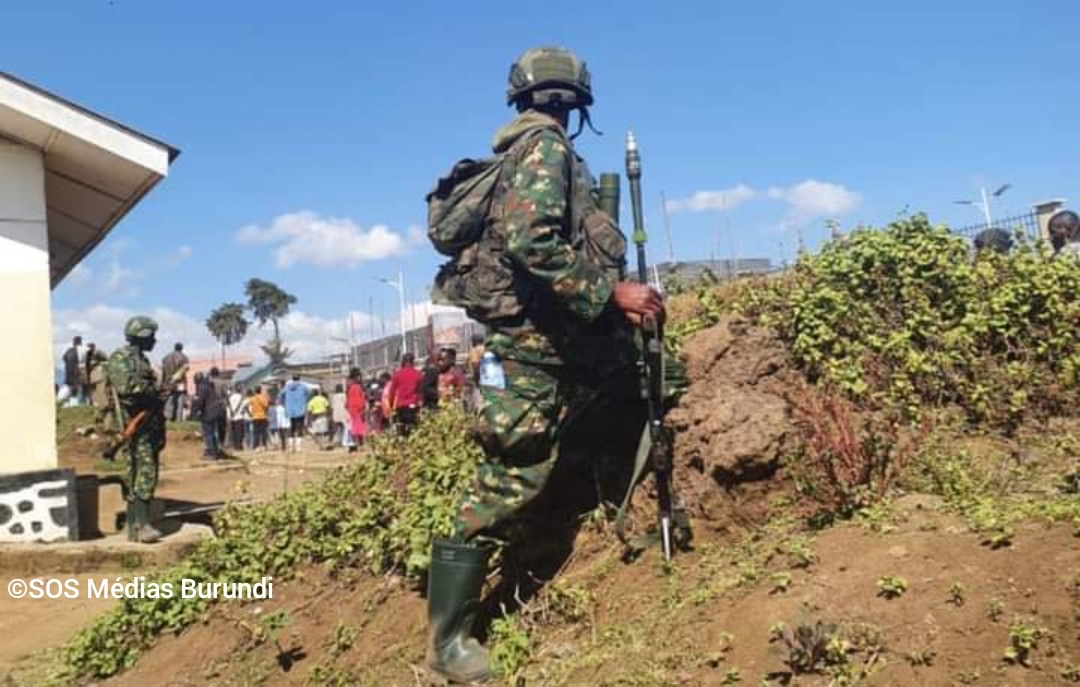
Bukavu, September 23, 2025 – The mining town of Nzibira, in the Walungu territory of South Kivu, fell under the control of the M23 rebels on Sunday, September 21, following violent clashes against the FARDC (Armed Forces of the Democratic Republic of Congo) and their allies, the Wazalendo militias, according to several local sources.
According to witnesses, fighting broke out early in the morning and intensified in the surrounding villages, including Cisaza, Cibanda, Muyange, Karhuliza, and Kalongo. Sustained bombardments, involving armored vehicles and heavy artillery, preceded the capture of the town, causing massive displacement of civilians.
The Wazalendo refer to a “strategic withdrawal” intended to protect the population. For the FARDC, the loss of Nzibira—rich in cassiterite and gold—constitutes a major operational setback, as the town is a key obstacle in the fight against armed groups in the region.
Regional escalation
In neighboring North Kivu, the Congolese army intensified its offensives on Sunday against M23 positions in Masisi and Walikale. The day before, the FARDC’s 3rd Defense Zone had denounced a series of coordinated attacks carried out between September 17 and 19 by M23 rebels and their allies, notably in Chanzikiro, Nkambi (Walikale), Sisa (Kalehe), Ndete, Kazinga (Masisi), as well as Chambombo and Katale (South Kivu).
“Any further attack will no longer be tolerated and will trigger a vigorous response,” warned the zone’s spokesperson, Major Nestor Mavudisa Kamba Mayoyo, accusing the rebels of violating the Washington Accords and the Doha Declaration.
The M23’s response
For its part, the Congo River Alliance (AFC), the politico-military movement to which the M23 is affiliated, rejects these accusations, calling them “maneuvers” by Kinshasa. In a statement, its spokesperson, Lawrence Kanyuka, accused the FARDC of bombing densely populated areas—Bibwe, Nyange, Chytso, and Hembe—using a Sukhoi-25 aircraft and CH-4 drones, causing numerous civilian casualties, he said.
A conflict with subregional dimensions
Since the beginning of the year, the M23 and its AFC allies have controlled several strategic locations in the provinces of North and South Kivu. Congolese authorities and the UN accuse them of being supported by Rwanda, a claim Kigali denies.
The crisis has now taken on
subregional dimensions : Burundi has deployed nearly 10,000 soldiers alongside the FARDC and the Wazalendo militias, while Uganda has sent troops to North Kivu and Ituri, accentuating the international dimension of the conflict.
You might also like

DRC: the freedom of the press laws awaits its promulgation
The Minister for Communication and Media Patrick Muyaya won his bet on Tuesday before the country’s deputies. It’s a bill to ratify the ordinance law on the terms and conditions
Busuma : deadly storm, three Congolese refugees struck by lightning
SOS Médias Burundi Ruyigi, March 16, 2026 – On Saturday, March 14, 2026, heavy rains accompanied by severe weather struck the Busuma refugee camp, located in the district of Ruyigi,

Musenyi : thousands of Congolese refugees demonstrate to demand the repatriation to the DRC
SOS Médias Burundi Musenyi, June 15, 2026 — Thousands of Congolese refugees living at the Musenyi camp in Burunga province, southern Burundi, held a peaceful demonstration on Monday, June 15,