

Burundi : right to education trampled in Ruyigi, repatriated children left behind
SOS Médias Burundi
Ruyigi, April 6, 2026 — Children of Burundian repatriates from Tanzania are being denied access to education in the district of Ruyigi, Buhumuza province, in eastern Burundi. School officials are refusing to enroll them mid-year, even though second-term exams are underway, causing serious concern among parents.
According to a teacher at a primary school in the district main town, who wished to remain anonymous, the local education director informed parents that it is impossible to enroll their children at this point in the year. Educational authorities justify this decision by explaining that the school year is too far advanced and that the remaining term does not allow for effective integration.
Parents must also present documents proving that their children were in exile before returning to Burundi. School officials cite the differences between the Tanzanian and Burundian curricula as an additional obstacle to immediate enrollment.
A population under pressure
Parents are deeply worried. Deprived of education, children risk idleness and could be exposed to risky behaviors, including delinquency. The district of Ruyigi, near the Tanzanian border, has taken in thousands of returnees since last year, increasing the strain on already limited school infrastructure.
This situation comes at a time when Burundian refugees living in Tanzania are facing pressure, harassment, imprisonment, or kidnapping to force their return, which some describe as “forced.” Originally scheduled to close on March 31 and June 30 respectively, the Nduta and Nyarugusu camps have recently been granted a one-month extension, announced the Burundian and Tanzanian governments and the UNHCR. On the ground, abuses continue, with houses and infrastructure being demolished.
The spokesperson for the Burundian Ministry of the Interior and Security, Pierre Nkurikiye, indicated that more than 60,000 Burundians have returned since the beginning of the year. These returnees arrive amid persistent budgetary pressures : the support provided to more than 200,000 Congolese refugees already present remains insufficient, and the local population lives in extreme poverty, exacerbated by the fuel crisis, the depreciation of the Burundian currency, widespread price increases, and poor harvests due to a lack of imported agricultural inputs purchased with scarce foreign currency.
A few months ago, UNHCR-Burundi, the CNIDH (National Independent Human Rights Commission), and several elected officials warned that Burundi could not accommodate such a massive influx of refugees in such a short time.
An educational and humanitarian emergency
For the children repatriated from Ruyigi, every day lost at school represents an additional risk of social exclusion and marginalization. Parents are urgently appealing to the authorities and international organizations for a swift solution so that their children can benefit from a fundamental right : education.
You might also like
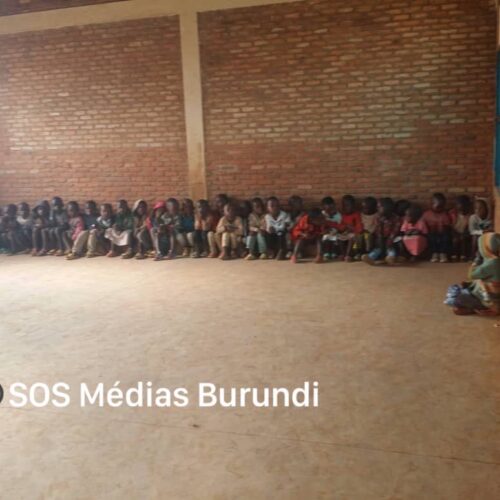
Burundi : alarming school conditions for refugees in Kavumu Camp
The Kavumu refugee camp located in the district and province of Cankuzo in eastern Burundi and home to more than 18,000 refugees, sees the education of children seriously compromised. Parents
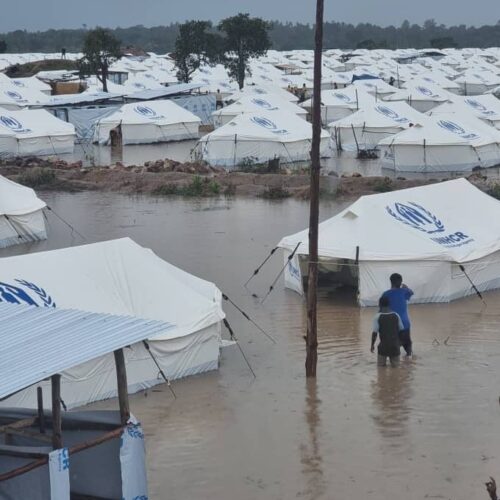
Giharo: Torrential rain causes significant damage at the Musenyi congolese refugee site
SOS Médias Burundi Giharo, April 13, 2025 — Heavy rain fell this Sunday morning on the Musenyi refugee site, in the commune of Giharo (Rutana province, southeastern Burundi), causing significant


Kakuma (Kenya): four Burundian refugees attacked, one of them dead
The incidents occured separately and in less than two weeks at Kakuma refugee camp in northwestern Kenya. The attackers, who stripped the victims of their belongings, were not identified. The