Burundi : uncontrolled tax exemptions worsen deficit and fuel abuses, according to revelations in Parliament
SOS Médias Burundi
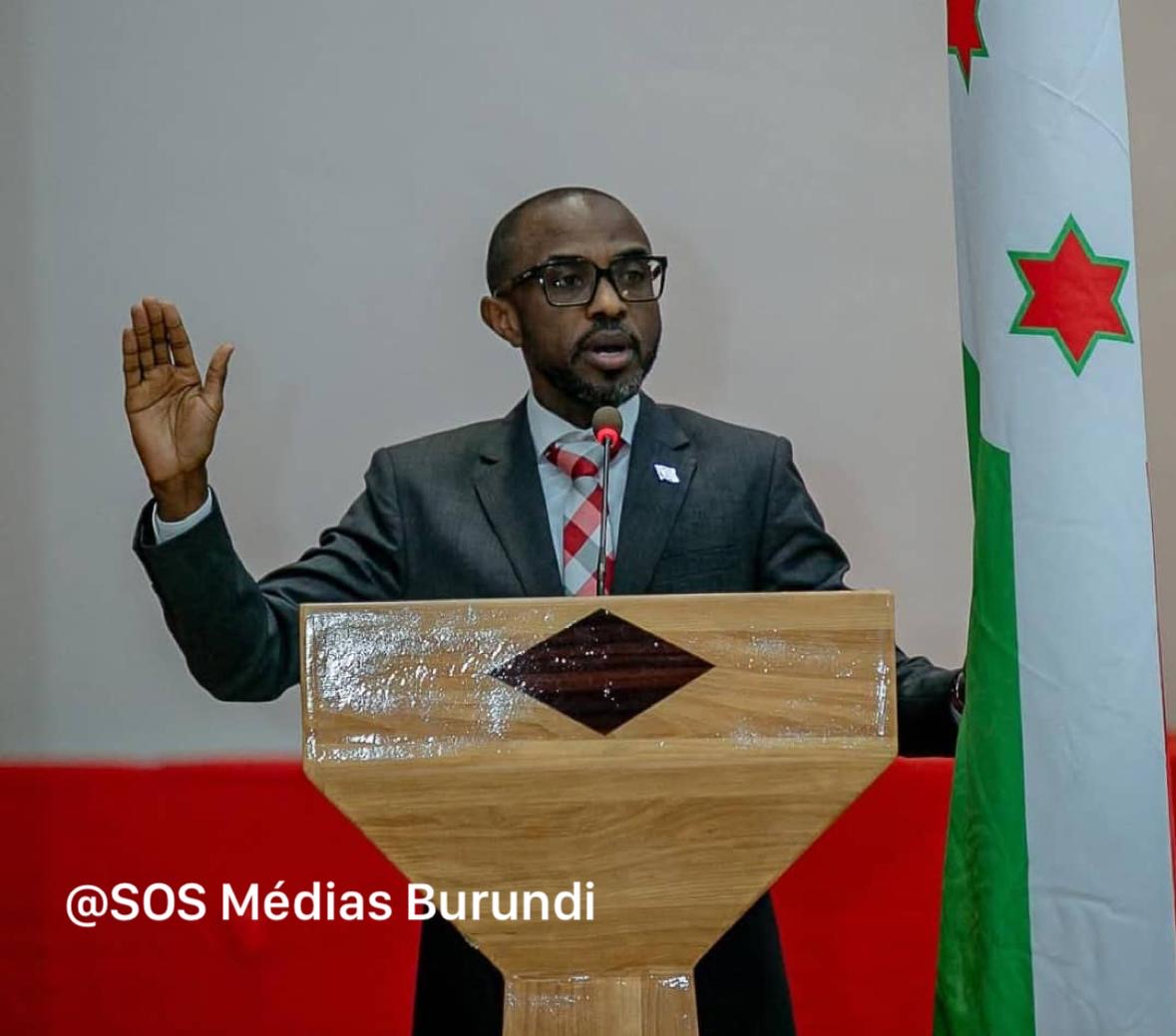
Bujumbura, May 19, 2026 – Tax exemptions granted in the 2024-2025 budgets have contributed to widening Burundi’s budget deficit, according to revelations made by the Minister of Finance and Digital Economy, Alain Ndikumana, before members of the National Assembly.
These tax breaks, initially estimated at 110 billion Burundian francs, ultimately reached 225 billion, more than double the forecast. According to the government, this situation is putting significant pressure on public finances and raising concerns about their oversight.
An increase deemed worrying
Before the elected officials, the minister acknowledged the scale of the problem. “This is a major problem that needs to be addressed in order to properly regulate and organize tax exemptions,” he stated.
He explained that this increase is primarily linked to projects financed by technical and financial partners, but also to various sectors benefiting from significant tax breaks.
Among the most striking examples is the Musongati–Uvinza railway construction project, which alone reportedly benefited from 72 billion Burundian francs (FBu) in exemptions. Valued at over one billion US dollars, this project represents nearly 30% of the tax advantages granted.
According to the minister, these lost revenues could have been directed towards priority sectors of national development.
Sectors that benefit significantly
The data presented to the National Assembly shows that several sectors benefit significantly from tax exemptions.
The intra-agricultural sector leads the way with 53 billion FBu out of a total of 253 billion. The investment sector follows with 52 billion Bif.
The pharmaceutical sector benefited from 14 billion Bif, while exemptions granted to the government are estimated at 12 billion Bif per year. Non-governmental organizations, for their part, received approximately 8 billion Bif.
Controversial practices denounced
Beyond the figures, alleged abuses are also being highlighted. An executive working on a project funded by state partners, speaking on condition of anonymity, claims that some officials are demanding financial contributions to tax-exempt projects for the organization of certain administrative and ceremonial activities.
He cites, in particular, requests related to exchanging greetings, Labor Day, and Independence Day celebrations.
According to this source, these practices amount to a form of mismanagement or indirect corruption, calling for stricter oversight of exemptions and greater transparency in their allocation and use.
You might also like

Burundi: Traders in Government-managed markets forced to pay rent tax twice
SOS Médias Burundi Bujumbura, June 24, 2025 — Tensions are rising in government-managed markets across Burundi. Traders denounce double taxation as the Burundian Revenue Office (OBR) demands they pay the

Burundi : authorities struggle to supply fuel but no longer want vehicles at petrol stations
Burundian police announced Thursday that it is now prohibited to park vehicles at a petrol station without fuel. It evokes the facilitation of traffic on the road and the concern

Cibitoke: farmers complain about the lack of agricultural inputs
Farmers in the communes of Cibitoke province (North-West of Burundi) deplore the lack of chemical fertilizers. They ask the government to provide them in sufficient quantity. The provincial governor warns