
Kavumu : refugee babies condemned to hunger by administrative delays in Cankuzo
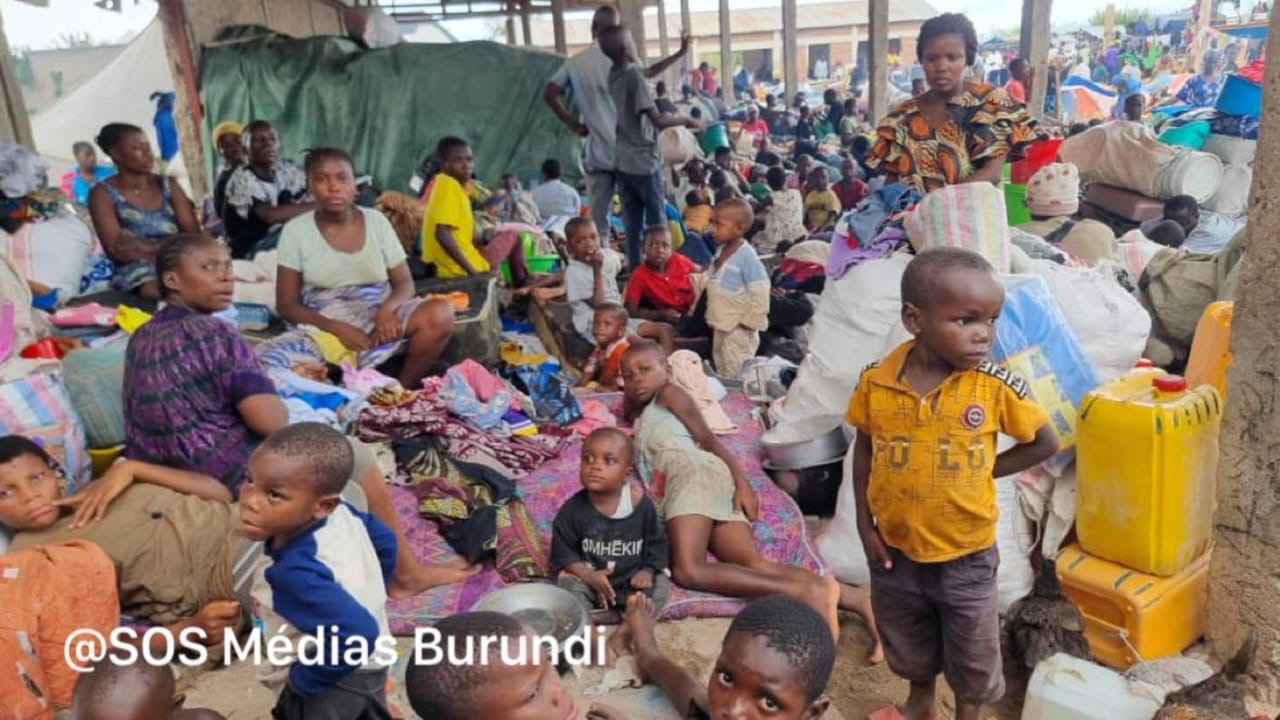
Kavumu, May 19, 2026 – At the Kavumu refugee camp, located in the district of Cankuzo in Buhumuza province, eastern Burundi, several Congolese refugee families are denouncing administrative delays that deprive infants of humanitarian assistance for months after their birth.
The problem stems from the delays observed in the issuance of birth certificates by the district civil registry office, an essential step before the official registration of newborns with the National Office for the Protection of Refugees and Stateless Persons (ONPRA) and the United Nations High Commissioner for Refugees (UNHCR).
According to current procedures, when a child is born in a health center or hospital, the parents first receive a birth certificate issued by the health facility. This document then allows them to obtain a birth certificate from the civil registry. Only after this formality can the newborn’s file be sent to the ONPRA (National Office for the Protection of Refugees and Stateless Persons) and the UNHCR for official registration as a refugee and access to various forms of humanitarian assistance, including food rations, medical care, and other social support.
But in the Kavumu camp, several parents say that these procedures take months. Some explain that they wait more than nine months before their children can be registered and begin receiving humanitarian assistance.
“My child is already nine months old and has never received a food ration because of the delay in obtaining the birth certificate,” says Aganze, a Congolese refugee in the camp. “After the birth, the hospital gave us the birth certificate without any problem. But getting the birth certificate from the civil registry took several months.” Then, we still had to wait for registration by the ONPRA (National Office for the Protection of Refugees and Stateless Persons) and the UNHCR. “During all this time, we were forced to share our own rations with the baby, even though we already live in very difficult conditions,” she explains.
According to several refugees, this situation further weakens large families already facing hardship in the camp.
“A child needs food, soap, and care from birth. Waiting almost a year before being officially recognized as a refugee is very difficult for the parents,” adds another resident.
The refugees’ complaints don’t only concern newborns. Some camp residents also denounce administrative delays in procedures related to deaths. Families say they encounter difficulties when they want to administratively close the status of deceased relatives.
“Even when someone dies, the process takes a long time. This creates even more complications for the families involved,” explains Patrick, a refugee in the camp.
Faced with this situation, several refugees are calling on the civil registry office of the Cankuzo district, the National Office for the Protection of Refugees and Stateless Persons (ONPRA), and the UNHCR to strengthen their coordination in order to reduce processing times for administrative documents.
They specifically want birth certificates to be issued within reasonable timeframes so that children born in exile can quickly obtain the refugee status and access humanitarian aid on the same basis as other camp residents.
According to data published in February 2026 by the UNHCR, the Kavumu camp hosts nearly 20,000 Congolese refugees who have fled the persistent insecurity in eastern Democratic Republic of Congo. In this humanitarian context, already marked by numerous challenges, many parents believe that the administrative and social protection of children born in exile should be treated as an urgent priority.
You might also like
Cibitoke : forced closure of the Congolese refugee transit site in Rugombo – a risky return to the DRC
The Congolese refugee transit site in Rugombo, in Cibitoke province (northwestern Burundi), was abruptly closed on Tuesday, March 25. Faced with their refusal to be relocated to Musenyi, in Rutana
Uvira : a high-level government delegation faces a bloody protest against General Gasita
SOS Médias Burundi Bukavu, September 12, 2025 — A large delegation from the Congolese government, led by the Deputy Prime Minister for Security, Territorial Administration, and Customary Affairs, Jacquemain Shabani

Burundi : CNIDH maintains its A status
The Independent National Human Rights Commission (CNIDH) of Burundi has just obtained major international recognition. It retains its A status, a guarantee of its independence and compliance with the Paris