Zambia : urban refugees “imprisoned in their homes” due to lack of residency permit renewal
SOS Médias Burundi
Meheba, Zambia, July 20, 2026 – Urban refugees living in Zambia are denouncing delays in renewing their residency permits, which expired several months ago. They say this situation exposes them to arrest, heavy fines, and the risk of deportation, while they await intervention from the relevant authorities.
Since the beginning of the year, no urban refugee residency permits have been validated in Lusaka, the Zambian capital, according to several affected refugees. This document, commonly called a “White Card” because of its white color, is issued to refugees authorized to reside in urban areas outside of camps. It allows them to settle in urban centers and conduct activities there in accordance with the rules established by the authorities.
Among the benefits associated with this card are freedom of movement, the right to engage in commercial activities, large or small, as well as other income-generating activities. It also facilitates access to education and medical care.
However, refugees living in Lusaka are denouncing the slowness of immigration services in processing renewal applications. Once their cards expire, they say they find themselves in a situation comparable to that of undocumented immigrants.
“Some of us are imprisoned, others risk deportation if nothing is done as soon as possible,” laments a refugee.
He adds : “We either cannot return to our respective camps because we are no longer registered there after our transfer to urban areas. We are practically prisoners in our own homes. We are afraid to go out to carry out our daily activities.”
Exorbitant fines
The refugees concerned report that those arrested with expired residency documents face fines ranging from 15,000 to 20,000 Zambian kwacha, or approximately US$800 to US$1,000.
They believe these amounts are too high for refugees with limited resources and are calling for urgent intervention from the authorities.
They are specifically urging the Ministry of Home Affairs and Public Security, responsible for refugee issues, to instruct immigration services to expedite the validation of expired cards.
Immigration services have offered no explanation for these delays and are still struggling to process numerous applications submitted by urban refugees.
A wave of arrests is underway
This situation is occurring amidst increased border control operations in Zambia.
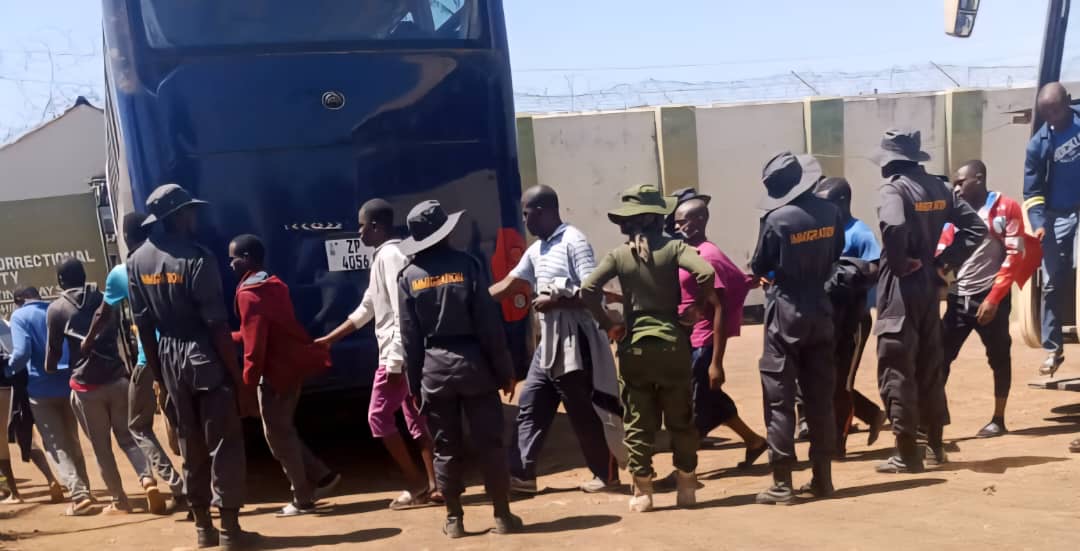
Since the first half of the year, Zambian police and immigration services have launched a large-scale operation to search for, arrest, and deport undocumented migrants. Several thousand people, including Burundians, have reportedly already been returned to their countries of origin, while others remain in detention.
According to a source on the ground, some refugees, primarily Burundian and Congolese, are also among those arrested.
Zambia hosts more than 105,000 refugees and asylum seekers. The majority are from the Democratic Republic of Congo (DRC) and Burundi, but the country also hosts Angolan refugees and former Rwandan refugees.
They reside mainly in the three designated refugee camps of Mantapala, Meheba, and Mayukwayukwa. Approximately 20% of them live in urban centers, particularly Lusaka, where they are attempting to rebuild their lives with the permission of the authorities.
You might also like
Nduta (Tanzania) : two people struck by lightning
The tragedy occurred on Tuesday evening at the Nduta camp located in northwest Tanzania. In total, the storm caused serious injuries to five people. INFO SOS Médias Burundi Torrential rain
Burundi : Congolese Rrefugees in distress faced with dwindling aid
SOS Médias Burundi Musenyi, August 9, 2025 – Amid rising humanitarian needs and dwindling international resources, the regional representative of the United Nations High Commissioner for Refugees (UNHCR) in Africa,

Dzaleka : two pregnant refugees die before giving birth, testimonies denounce conditions of access to healthcare in Dowa
SOS Médias Burundi Dzaleka, August 17, 2026 — The Dzaleka refugee camp, located in the Dowa district of central Malawi, is facing renewed concerns regarding access to healthcare. Two Burundian