

Photo of the week : from the dream of emerging markets to the reality of hunger : Burundi at the end of its life
While authorities promise to elevate Burundi to an emerging country status by 2040, daily realities paint a bleak picture : chronic fuel shortages, soaring prices, and deteriorating living conditions, affecting families’ health, education, and nutrition.
In the commercial capital, Bujumbura, as in the countryside, the reports are alarming : shortages are paralyzing transportation, markets are emptying, and prices are reaching levels unaffordable for the majority.
“We spend entire nights in queues hoping for a little gas. Even when we find some, it’s at a price only the wealthiest can afford,” says a motorcyclist from Bujumbura.
This situation is not limited to fuel : it has a domino effect throughout the consumption chain.
Food prices that starve
Basic staples—beans, rice, potatoes, peas, corn and cassava flour, bananas—have sometimes tripled in just a few months.
“We don’t understand how to feed our families. With what I earn a day, I can’t even buy a kilo of beans anymore,” confides a resident of Gitega, the country’s political capital.
Malnutrition is increasing in the poorest households, especially in rural areas where families depend largely on subsistence farming. Some parents report reducing meals to just one a day so their children can eat.
Education and health suffer
The cost of transportation and school supplies prevents many children from attending school regularly. In some health centers, a lack of fuel is hampering the distribution of medicines and complicating access to care.
“My daughter has been sick for two days, but I can’t afford a taxi to take her to the hospital,” explains a mother from Cibitoke, in the northwest of the country.
A discrepancy with the official narrative
While the population struggles with this reality, the government continues to promote the vision of a Burundi emerging by 2040 and developed by 2060.
“It’s good to dream about 2040, but today we’re hungry. We must first save the present before planning for the future,” complains a teacher from Ngozi, in the north.
Urgent measures demanded
Citizens’ expectations are clear : stabilize the Burundi franc, facilitate access to foreign currencies for imports, support farmers and transporters, and combat corruption plaguing the supply chain.
While waiting for concrete solutions, Burundians continue to face a crisis with multiple repercussions : it weakens families, hinders children’s education, and jeopardizes the health of the most vulnerable.
Our photo : an elderly woman contemplates President Évariste Ndayishimiye during the 2020 presidential election. Five years later, hope has given way to concern : many Burundians and international actors believe that the socio-economic and political situation has worsened under the Neva regime.
You might also like
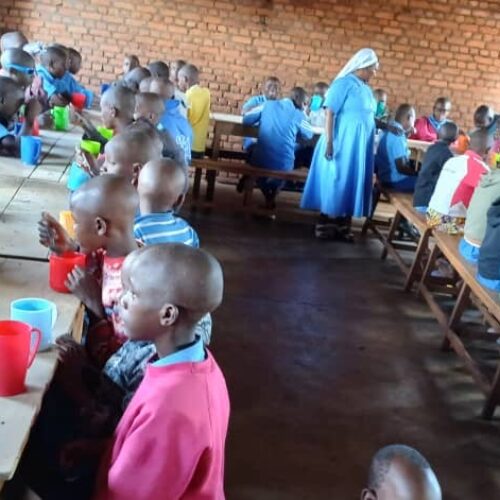
Photo of the week-Gitega : a school for blind children appeals for help in the face of urgent needs
The Santa Lucia Primary School in Mushasha, located in the city of Gitega, the political capital of Burundi, in the center of this small East African nation, is sounding the

Photo of the week-Burundians seeking visas : the Trump administration imposes a real path of the fighter
Burundians seeking a visa to the United States face new administrative and financial hurdles. According to several reports from diplomatic sources and international media, the US administration is pursuing a


Photo of the week : nearly 300 European mercenaries who were helping the FARDC have surrendered
The Rwandan army announced on Wednesday that it had received 288 European mercenaries who had surrendered to the M23 rebels. These mercenaries who were fighting alongside the Congolese army were