Rumonge : angry watchmen paralyze the market, an agreement ends the crisis
SOS Médias Burundi
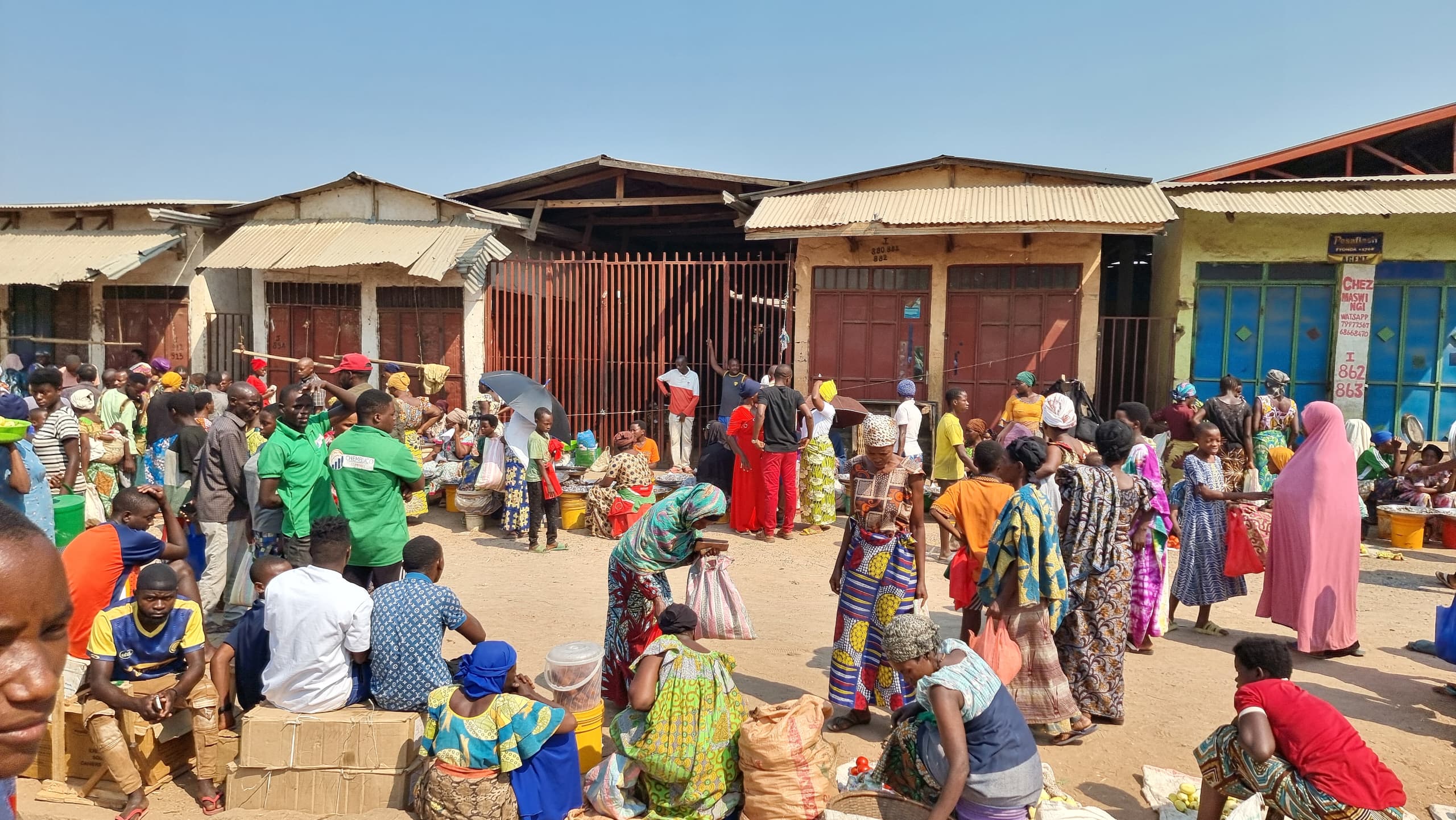
Rumonge, September 2, 2025 – On Monday, September 1, the central market of Rumonge, in southern Burundi, was completely paralyzed for several hours following a strike by security watchmen. Very early in the morning, they locked all entrances to the market with padlocks, preventing traders from accessing their stalls. This shock action was aimed at protesting two and a half months of unpaid wages, unfair pay conditions, and persistent uncertainty surrounding their payment method.
According to the protesters, some watchmen receive higher wages than others even though they perform the same tasks. This unequal treatment has become unbearable, they say. “We all work the same way, but some are better paid than others.” “This creates an injustice that we can no longer tolerate,” said one of them. Added to this frustration is the compensation they deem grossly inadequate given the responsibilities they assume, including night surveillance, managing market traffic, and preventing theft.
The strikers also demanded to be paid directly by their real employers, namely the merchants, rather than by the district administration. This indirect payment method is seen as the source of the delays and irregularities observed. The market management committee’s position is clear: since the security guards are private agents, it is up to the merchants to organize their remuneration, and not up to the district to collect the funds for this purpose. This practice was deemed unclear and illegal by several committee members.
Faced with the market paralysis and growing tensions, the district administration called an emergency meeting for the morning. After several hours of negotiations with the watchmen and the management committee, an agreement was finally reached. The authorities acknowledged the legitimacy of the demands and committed to regularizing the unpaid salaries. It was also decided that, from now on, the watchmen would be paid directly by the market management committee, based on the traders’ contributions, to avoid any future confusion or delays.
After the agreement was reached, the watchmen reopened the market gates around 10:00 a.m., ending a four-hour blockade. Commercial activities immediately resumed, although several traders, particularly those specializing in the sale of perishable products such as fresh fish, expressed anger at the losses incurred. Some are calling for ongoing dialogue between the various market stakeholders to prevent similar incidents in the future.
The newly installed district team has promised to closely monitor the implementation of the agreement and establish a clearer framework for the management of service providers in public infrastructure. This crisis, although resolved, highlights the fragility of local governance and the urgent need for a transparent, equitable and sustainable system for the remuneration of security agents in district markets.
You might also like

Eastern DRC : Burundi fuels chaos with soldiers and civilians recruited into the Wazalendo
SOS Médias Burundi Bukavu, May 24, 2025 – While Burundi has officially deployed nearly 10,000 soldiers alongside the FARDC in eastern DRC, a parallel phenomenon is causing serious concern :

Burunga : a man sentenced to 10 years for rape of a minor in Rumonge
SOS Médias Burundi Rumonge, July 25, 2025 – The First Instance Court of Rumonge, in Burunga province (southern Burundi), sentenced Eddy Émile Nkurunziza on Tuesday, July 22, to a 10-year

Tanzania : rise in crime around Nduta camp, Burundian refugees worried
SOS Médias Burundi Nduta, July 14, 2025 – A series of violent attacks in recent days around the Nduta refugee camp in northwest Tanzania is causing concern among Burundian refugees.