Forced repatriation of more than 80,000 Burundian refugees : concerns and disagreements within Burundian institutions
SOS Médias Burundi
Ngozi, November 30, 2025 – The announcement of the forced repatriation of more than 80,000 Burundian refugees living in Tanzania continues to raise serious concerns among human rights defenders. These refugees, spread across the Nyarugusu and Nduta camps, are expected to be returned to Burundi within four months, by next March. This decision was deemed “too abrupt” by several stakeholders present at a high-level advocacy workshop held Tuesday in Ngozi, Butanyerera province, in northern Burundi.
This announcement was made public by Rose Médée Dusenge, International Protection Officer at the Office of the United Nations High Commissioner for Refugees (UNHCR-Burundi). Addressing members of parliament and the National Independent Human Rights Commission (CNIDH), she expressed her deep concern about Burundi’s capacity to receive such a large number of people in such a short timeframe.
“This repatriation period is very short,” she warned, calling on members of parliament to ensure that these deportees are treated with dignity and in accordance with their fundamental rights.
The president of the CNIDH, Bishop Martin Blaise Nyaboho, shares these concerns. According to him, the deadline imposed by Tanzania does not take into account the reality on the ground or the country’s current reception capacity.
“When we heard this news, it broke our hearts as human rights defenders,” he said. Nyaboho points out that voluntary returns, which could reach up to two thousand people per week, were carried out under good conditions, with the Burundian government accompanying each family to their home. However, organizing the forced return of 82,000 people in just a few months seems impossible to him, especially since Burundi is already hosting new displaced people from North and South Kivu in eastern DRC.
He is therefore calling on the government to begin discussions with Tanzania to extend the deadline, “perhaps until July.”
Tanzania, which has been considered a haven for Burundian refugees since the 1970s, still hosts more than 110,000 Burundians who fled the 2015 political crisis triggered by the controversial third term of the late President Pierre Nkurunziza.
However, opinions are divided within the Burundian political class. Martin Niteretse, former Minister of the Interior in charge of refugee and returnee issues, and currently chairman of the National Assembly’s Standing Committee on Human Rights, downplays the urgency of the situation and denounces what he calls “speculation” among the refugees.
According to him, some refugees are abusing the system, going so far as to sell their belongings and pay bribes to be included on return lists, before ultimately refusing to return home, claiming they have nowhere else to go.
“Many of them are not true refugees in the true sense of the word,” he asserted.
While human rights defenders and the UNHCR are advocating for a more humane and rights-respecting approach to refugees, Burundian authorities remain divided on how to handle this sensitive issue. The question now remains whether the Burundian government will heed the call from the National Independent Human Rights Commission (CNIDH) and engage in dialogue with Tanzania to extend the deadline, or whether the rushed repatriation will continue, risking further vulnerability for thousands of affected families.
You might also like
Burundi : “No one has the right to exile half a million Burundians,” pleads Marguerite Barankitse
SOS Médias Burundi Kigali, June 21, 2026 – As the world celebrated the World Refugee Day on June 20, testimonies and calls for solidarity with those forced into exile resonated
DRC : a truce announced between Kinshasa and the M23 under Qatari mediation, but fighting continues in the east
SOS Médias Burundi Despite a joint declaration announcing a truce between the Congolese government and the M23 under the auspices of Qatar, armed clashes continue in the eastern Democratic Republic
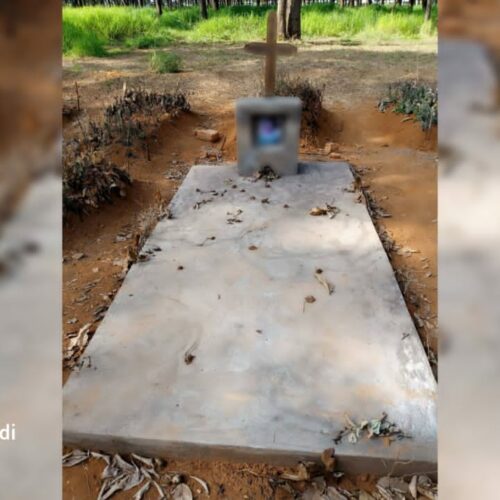

Nduta (Tanzania): a tomb demolished by the administration for the simple reason that it is built of cement
The demolished grave was holding the remainings of a Burundian refugee, buried in the cemetery of zone 9 in Nduta camp. The camp’s top official was supervising. INFO SOS Médias