
Burundi : Congolese refugees risk their lives in the Rusizi River as regional tensions escalate
SOS Médias Burundi
Cibitoke, January 9, 2026 – Since the beginning of December 2025, more than 90,000 Congolese refugees have flocked to Burundi, fleeing intense fighting between the loyalist army of Kinshasa and the M23 rebel movement in South Kivu, along the Kamanyola-Rusizi Plain-Uvira axis. Many find themselves in transit centers located in western, northwestern, and southwestern Burundi, as well as in a refugee camp near the border with Tanzania, where living conditions remain extremely precarious : lack of shelter, drinking water, food, and medical care.
Two refugees swept away by the Rusizi River
For the past week, Congolese refugees attempting to return to the DRC via clandestine crossings of the Rusizi River, which separates the DRC and Burundi, have faced deadly dangers. Two people were swept away by the current. According to witnesses and military sources, personal belongings were recovered on January 2, badly damaged.
The victims came from the Cishemere transit camp in the Cibitoke border region, where they feared being forcibly transferred to official camps in Buhumuza province, eastern Burundi. To avoid this relocation, they chose to cross the Rusizi clandestinely.
Extortion and dangerous crossings
Refugees report systematic extortion along these unofficial routes. At the border, Burundian soldiers and Imbonerakure, members of the youth wing of the CNDD-FDD, the ruling party, reportedly demanded large sums of money to allow passage.
“I was with my wife and our eight children. They asked us for 300,000 Burundi francs. I had to give them our three goats to let us through,” recounts a refugee in Sange, South Kivu.
In Gasenyi, in the Bukinanyana district in the province bordering Bujumbura to the west, refugees explain that these payments are shared between smugglers, soldiers, and Imbonerakure deployed along the border towns. The crossing has become a veritable illicit trade, endangering families, especially those with children.
An explosive regional context
This humanitarian crisis reflects the military and diplomatic tensions in the Great Lakes region. Since its reactivation in 2021, the M23, composed mainly of Congolese Tutsis and integrated into the Congo River Alliance (AFC) led by Corneille Nangaa, controls several strategic areas in North and South Kivu, including Goma, Bukavu, and the Rubaya mining site, a major coltan deposit.
Kinshasa accuses Kigali of supporting the M23, while Rwanda denounces the alleged support of the DRC and Burundi for the FDLR, a Rwandan Hutu armed group whose members are accused of participating in the 1994 genocide against the Tutsis. According to UN expert reports, between 5,000 and 7,000 Rwandan soldiers are fighting alongside the M23, while Burundi has reportedly deployed more than 29,000 troops in eastern Congo, of which approximately 10,000 remain on the ground fighting alongside the FARDC and the Wazalendo militias supported by Kinshasa.
Despite the Washington Agreement of December 4, 2025, signed between the DRC and Rwanda under the US mediation, the fighting continues, illustrating the failure of diplomatic initiatives and the considerable human cost, for which refugees and Burundian soldiers are paying the price in silence.
Alarming humanitarian conditions
Entire families are attempting to cross the Rusizi River using jerrycans or floating bags, often with the help of the local Burundian community.
The Busuma camp, located near the Tanzanian border, continues to receive thousands of new arrivals, but the need for shelter, food, drinking water, and medical care far exceeds available resources.
“After everything I went through at the transit center, I no longer had the courage to go to the camp. Burundians helped me cross the Rusizi. Today, I am in Luvungi and I am living a normal life,” says Ruben, a Congolese refugee.
Urgent call for a safe return corridor
Refugees and humanitarian actors are calling for the establishment of a safe voluntary return corridor, combining improved reception conditions in Burundi with the possibility of returning to the DRC without risk.
“We are asking the Burundian government to open the border to allow for a dignified return. Crossing the Rusizi River with children under these conditions is risking life,” says a refugee trapped in Cishemere.
The hostilities continue to force thousands of families to flee to neighboring countries. Burundi alone received approximately 90,000 Congolese refugees last December, in addition to more than 70,000 others taken in earlier in the year, placing the small east African nation at the heart of the region’s humanitarian and security tensions.
You might also like
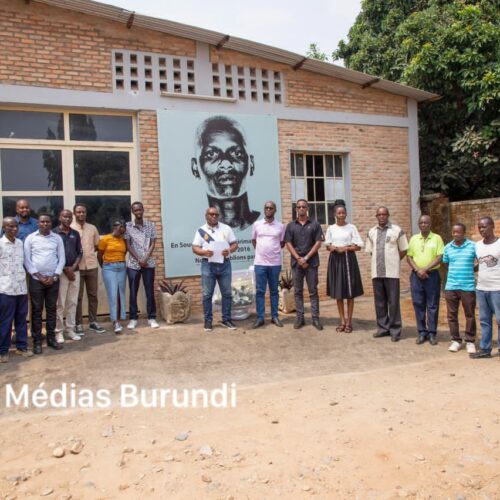
Bujumbura : where is Jean Bigirimana? The Iwacu press group still asks this question that has remained unanswered since 2016
The Iwacu press group organized a humble but certainly very significant event. On Tuesday, its employees remembered Jean Bigirimana, our colleague who disappeared on July 22, 2016. The director of
Butanyerera : two people condemned to life for desecration of graves
SOS Médias Burundi Matongo, June 24, 2026 – The First Instance Court of Matongo, in the province of Butanyerra, in the north of Burundi, sentenced two people to life imprisonment
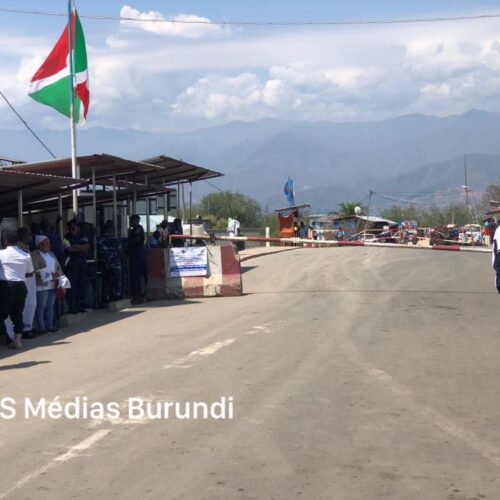

South Kivu : Congolese officials prefer to reside in Bujumbura despite their duties in Uvira
SOS Médias Burundi Bujumbura, June 26, 2025 — In Bujumbura, Burundi’s commercial capital, it is common to encounter Congolese officials in hotels, homes, and restaurants throughout the city. Members of