“Pay or you don’t get through”: in Busuma, refugees trapped in a system of extortion
SOS Médias Burundi
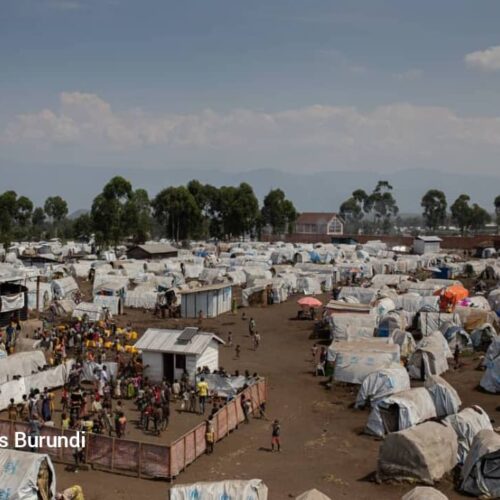
Ruyigi, March 29, 2026 — Returning to their country of origin has turned into a nightmare for many Congolese refugees living at the Busuma site in the east of the small east African nation. While many express the desire to return to the Democratic Republic of Congo (DRC), they face a journey fraught with financial obstacles and practices denounced as abusive.
According to several testimonies gathered by SOS Médias Burundi, leaving the site and reaching the city of Uvira, located a few kilometers from Bujumbura, the commercial capital, can cost up to one million Burundi francs. This exorbitant sum is demanded at various points along the route.
According to the refugees, these payments are imposed at several points : upon leaving the site, but also at the numerous checkpoints manned by members of the security forces or youths affiliated with the ruling party, the CNDD-FDD, commonly known as the Imbonerakure. The majority of these checkpoints are reportedly located in the Ruyigi district.
Several reports from human rights organizations accuse the Imbonerakure of involvement in abuses targeting real or perceived opponents, as well as activists, journalists, and traders.
According to several concurring sources, those unable to pay these amounts are arrested, detained for several hours, and then forcibly returned to the Busuma site.
“If you don’t have money, you can’t get through. They detain you or send you back to the camp,” confided a refugee, speaking on condition of anonymity.
Yet, the normal cost of the journey would not exceed 60,000 Burundi francs. This considerable difference fuels a deep sense of injustice and exploitation among these already vulnerable populations.
Mutewa, a refugee who attempted the journey, testifies :
“We are asked for money at every checkpoint. Some pay up to a million francs to reach Uvira without being stopped. We ask the UNHCR and the ONPRA to expedite the registration process so that repatriation can begin quickly. Many people pay exorbitant prices to return home illegally because of the difficult living conditions we face and the slowness of the repatriation process. Those without money are sent back to the camp.”
Official repatriation still stalled
This situation comes as the UNHCR, in collaboration with the Burundian government, announced that voluntary repatriation could begin after a registration phase that has been underway since mid-March.
According to the authorities, this step is essential : many refugees in Busuma do not yet have official status and remain registered as asylum seekers.
Once this process is complete, the Burundian and Congolese governments, with the support of the UNHCR, are expected to organize supervised voluntary returns.
For their part, the police authorities are calling for adherence to the official procedure. The head of the Busuma detachment, Police Lieutenant Jérémie Mpawenimana, indicates that some refugees mistakenly interpret their registration as a right to move freely. He acknowledges, however, the difficulties in maintaining control due to the open nature of the site.
The authorities warn that any unauthorized departure will be the sole responsibility of the individuals involved in the event of an incident.
A camp under pressure
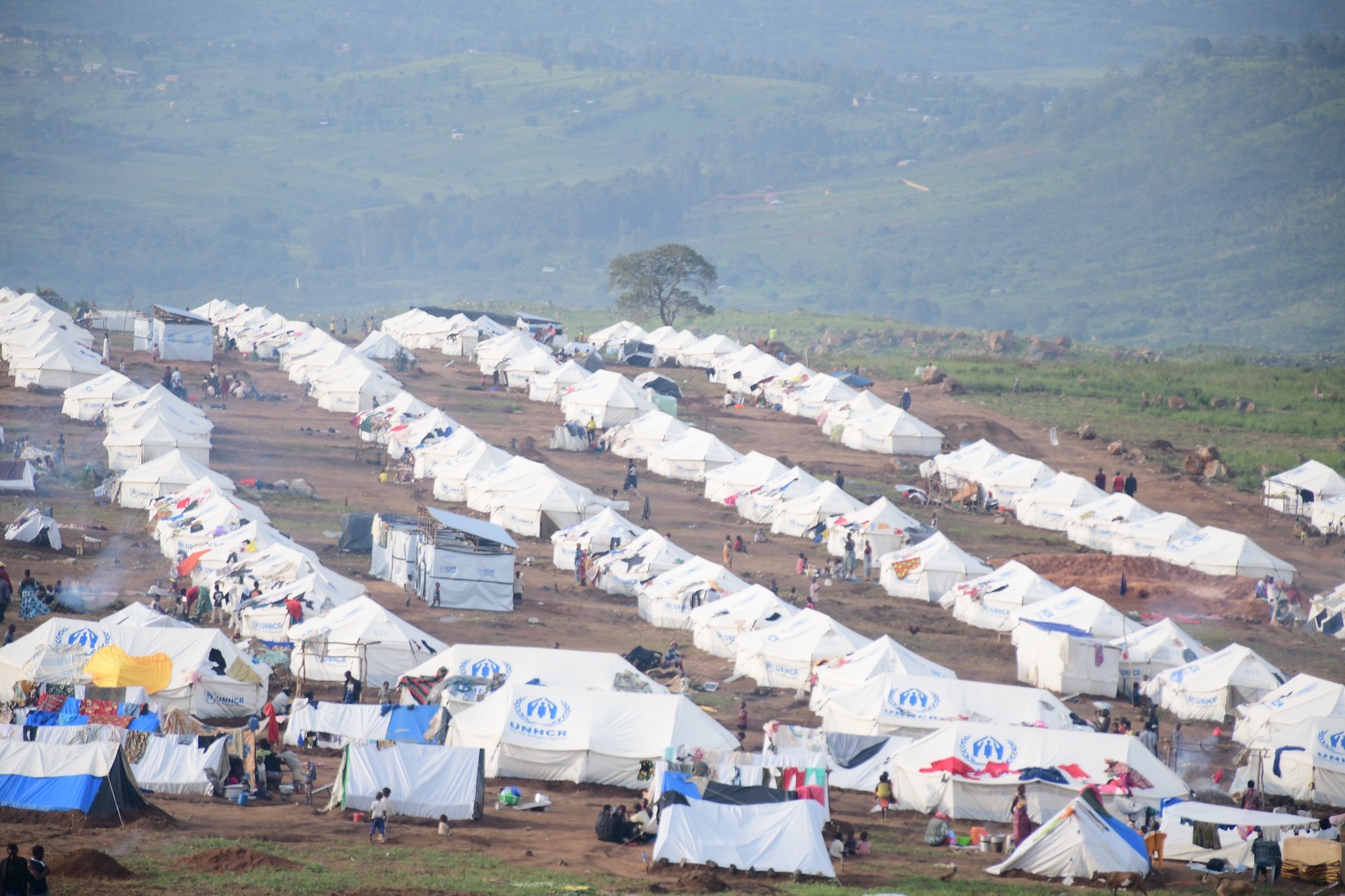
Meanwhile, the Busuma site remains the scene of a worrying humanitarian situation. It shelters more than 67,000 refugees, while some estimates suggest that more than 75,000 Congolese refugees fled the hostilities in South Kivu between December 2025 and January 2026.
Faced with living conditions deemed difficult and the slow pace of the repatriation process, many refugees continue to seek alternatives, often at the cost of significant financial sacrifices.
Calls are mounting for an acceleration of repatriation to guarantee a voluntary, safe, and dignified return.
Regional context: a war that is becoming protracted
This crisis is taking place within a particularly unstable regional context. The FARDC, the Congolese loyalist army, supported by troops from the small east African nation and the Wazalendo militias, are fighting the M23 rebels, part of the Congo River Alliance (AFC/M23).
This group controls several strategic areas in North and South Kivu, including Goma, Bukavu, and the Rubaya mining site, rich in minerals essential for the electronics and new technology industries.
Kinshasa accuses Kigali of supporting the M23, while Rwanda denounces the alleged support of the DRC and Burundi for the FDLR (Forces for the Liberation of Rwanda), a Rwandan Hutu armed group whose members are accused of participating in the 1994 genocide against the Tutsis.
According to a report by the UN Group of Experts, between 5,000 and 7,000 Rwandan soldiers are believed to be present alongside the AFC/M23, despite Kigali’s denials.
According to an internal report from the Congolese Ministry of the Interior and Security, consulted by SOS Médias Burundi, the Burundian army has deployed more than 29,000 soldiers in eastern Congo, fighting alongside the FARDC and the Wazalendo militias, which are supported by Kinshasa, in the war against the M23.
Despite the Washington Agreement of December 4, 2025, between the DRC and Rwanda, brokered by the United States, clashes continue, confirming the failure of diplomatic efforts. Burundi is bound by this agreement as an observer and was represented by President Évariste Ndayishimiye.
A major humanitarian crisis
With more than 200,000 Congolese refugees on its soil, the small east African nation is facing a major humanitarian crisis.
Observers fear further escalation in the already fragile Great Lakes region, where security, political, and economic issues continue to be dangerously intertwined.
You might also like
DRC-Rwanda : a historic peace agreement signed in Washington under the US mediation
SOS Médias Burundi Goma, June 28, 2025 – The Democratic Republic of Congo and Rwanda officially signed a peace agreement on Friday in Washington, D.C., aimed at restoring bilateral relations
Bujumbura : Journalist Didier Ndihokubwayo faces justice after nearly 11 months in detention
SOS Médias Burundi Bujumbura, October 13, 2025 — Journalist Didier Ndihokubwayo, a contributor to Radio Maria Burundi, was to appear on Tuesday before the Mukaza First Instance Court in the

North Kivu : at least 8 civilians killed and several others injured in Kanyabayonga
On Tuesday, violent fighting took place between the M23 and the FARDC and allies in the district of Kanyabayonga. It is in the territory of Lubero in the province of