
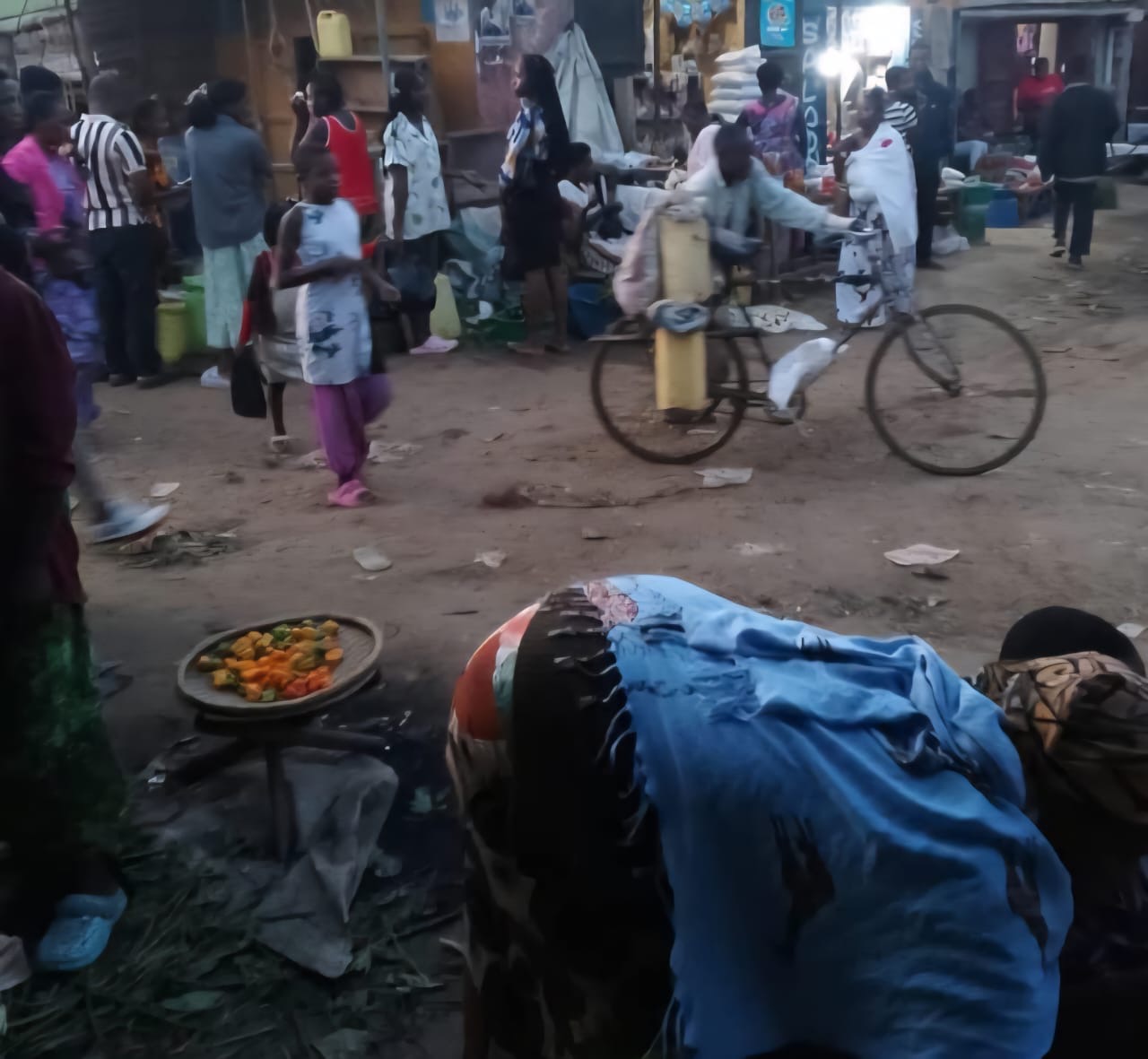
Nakivale : “Prepare for the mass return,” the message that is alarming Burundian refugees
SOS Médias Burundi
Nakivale, Uganda, July 10, 2026 — Ugandan authorities and the United Nations High Commissioner for Refugees (UNHCR) are holding numerous awareness-raising meetings with Burundian refugees living in the Nakivale camp in southwestern Uganda. The central message is to prepare them for their return to Burundi before the announced end of their refugee status, scheduled for the first half of 2028. This prospect is causing serious concern among the exiled refugees, many of whom are already denouncing pressure and a deterioration in their living conditions.
The most recent meeting was held last weekend in the village of Kabazana A, following a previous one organized in Nyarugugu, the urban center of the Nakivale camp. Burundian refugees are being urged to participate in large numbers in these meetings, with a particular focus on those who recently arrived from Tanzania after the closure of the Nduta and Nyarugusu camps.
According to several participants, representatives from the UNHCR and the Ugandan Prime Minister’s Office for Refugees are delivering an unequivocal message : “Prepare for a mass return.”
During these meetings, they reportedly announced that the refugee status of Burundians living in Nakivale would expire in the first half of 2028.
To justify this prospect, officials cite the return of peace and political stability to Burundi, as well as repeated calls from Burundian authorities urging their citizens to return home.
According to testimonies gathered, UNHCR representatives reiterate that voluntary repatriation is, in their view, the only lasting solution for refugees when conditions in their country of origin are deemed favorable.
Tanzania Cited as a Model
According to refugees present at the meetings, officials also discussed the methods used in neighboring countries, particularly Tanzania, to encourage returns.
Without explicitly referring to the operations that accompanied the closure of the Nduta and Nyarugusu camps, they reportedly suggested that similar approaches could be considered if refugees did not participate in the ongoing registration process.
These statements have heightened the concerns of many Burundians, who fear forced repatriation or the gradual closure of the Nakivale camp.
Refugees’ leaders denounce pressure
In a statement addressed to the UNHCR, human rights organizations, diplomatic missions, and other international actors, a group of refugees’ leaders denounces a rapid deterioration in refugee protection.
They cite alleged human rights violations, intimidation, and psychological pressure intended, they say, to force refugees to accept their return to Burundi.
“We are witnessing a rapid deterioration in the protection situation, serious human rights concerns, and worsening living conditions,” they write, describing the situation as “alarming and heartbreaking.”
They also state that several essential humanitarian services have been reduced or suspended, including access to healthcare, education, and some forms of humanitarian assistance. Movement restrictions are also affecting their livelihoods.
According to them, these conditions are fueling a climate of fear and despair among families who fled Burundi in search of international protection.
New arrivals from Tanzania raise the alarm
Refugees who recently arrived from Tanzania say they recognize the first signs of what they experienced in the Nduta and Nyarugusu camps.
“Back home in Nduta and Nyarugusu, it all started like this, as if it wasn’t serious. Then, gradually, things became very serious. Today, we feel that even here, where we hoped to find refuge, the ground is becoming slippery,” says a refugee who arrived in Nakivale with about ten family members.
These new arrivals also denounce the lack of assistance since their arrival.
“Some of us arrived in April, others in May or June, but we haven’t received any help yet. We don’t have shelter, we have to rent houses ourselves, and we don’t receive food. We are living in a very difficult situation,” they testify.
Call for respect for the principle of non-refoulement
Refugees are calling for urgent intervention from the UNHCR, human rights organizations, diplomatic missions, and the international community to ensure that any return to Burundi remains strictly voluntary, safe, and dignified.
They reiterate that the international principle of non-refoulement prohibits returning a person to a country where they would be at risk of persecution, inhuman treatment, or other serious violations of their fundamental rights.
Located in southwestern Uganda, the Nakivale camp hosts more than 150,000 refugees, including over 33,000 Burundians, making it one of the main sites for Burundian refugees in the region.
You might also like
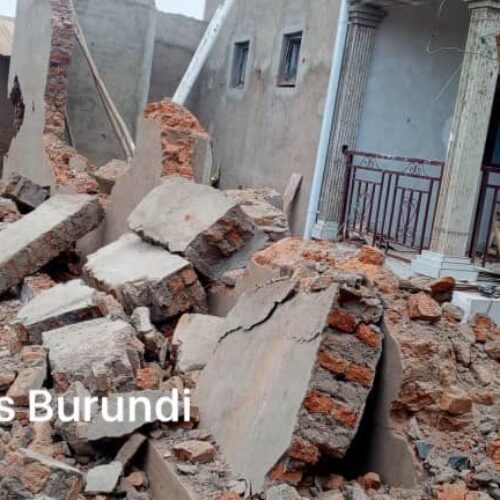
Dzaleka (Malawi) : two Burundian refugees with their throats slit
The victims were found dead not far from the Dzaleka camp in Malawi last weekend. The police announced that they had begun investigations. INFO SOS Médias Burundi On Saturday, the
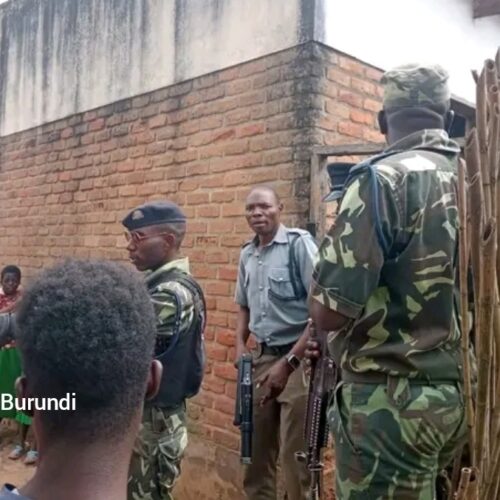
Dzaleka (Malawi) : the UNHCR is involved in insuring security of the camp
Representatives from the UNHCR and the Malawi government held a peacemaking meeting at Dzaleka camp earlier this week. They are concerned about the intensification of acts of crime in this
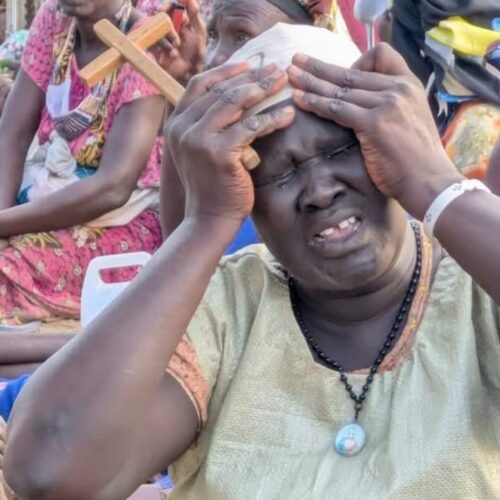

Kakuma (Kenya) : hunger and despair fuel insecurity
SOS Médias Burundi Kakuma, November 3, 2025 – The Kakuma refugee camp in northwestern Kenya is facing a surge in banditry. This comes as the Kenyan government and the United