
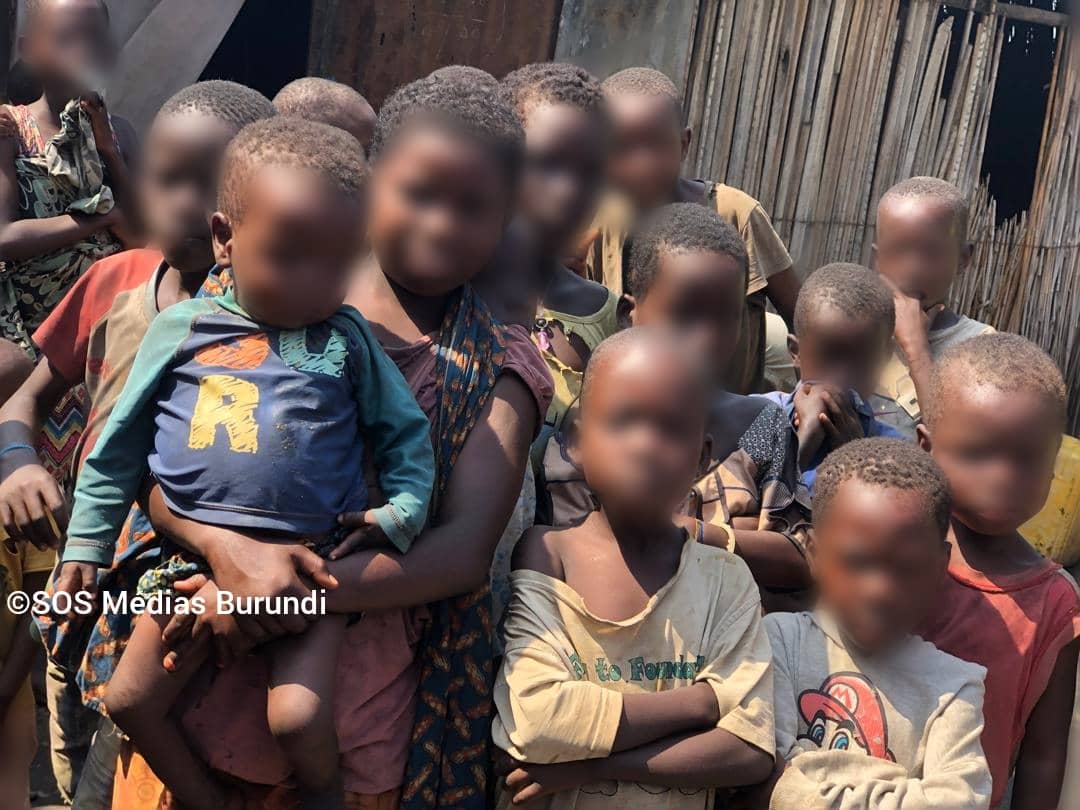
Uvira : due to lack of schools for their children, some Burundian asylum seekers opt for repatriation
Burundians living in the transit camps of Kamvimvira and Sange in the province of South Kivu in the east of the Democratic Republic of Congo are asking the UNHCR to facilitate their repatriation. They explain that these temporary camps do not have schools for their children. INFO SOS Médias Burundi
Some parents have told SOS Médias Burundi that their children have just spent two years without going to school.
“Since we have been here, our children have not been in school. There are no schools in the camp. Our children have nothing to do. They spend their time begging for money from passengers who take the Bujumbura-Bukavu section, while others go begging in restaurants and houses,” lamented a mother from the Kavimvira transit camp.
Some are forced to return to Burundi and ask the UNHCR to assist them with the procedures.
This is the case of Nshimiyimana, a man in his thirties, who has been living in this camp for a year.
“I have two children who were studying in primary school. I want to return to my country so that my children can go back to school,” he explained, while deploring that the camp officials refuse to let them return before arriving in the Mulongwe camp in the Fizi territory (same province).
The DRC is home to more than 41,000 Burundian refugees mainly settled in the Mulongwe and Lusenda camps based in Fizi, in addition to asylum seekers staying for the most part in Sange and Kamvimvira.
You might also like
Meheba: Refugees struggle for integration over lack of language skills
At the Meheba refugee camp in northwestern Zambia, thousands of refugees—mainly Burundian and Congolese—are denouncing integration difficulties following the language barrier. They are calling on the UNHCR and the Zambian
Tanzania : Nduta camp permanently closed
SOS Médias Burundi Nduta, April 30, 2026 — As of Thursday, April 30, the Burundian refugee camp in Nduta, Tanzania, is no longer operational. It has been officially closed, and

Dzaleka (Malawi): insecurity, everyone’s business
A report following the UNHCR investigation into the causes of growing crime in the Dzaleka camp has been made public within the camp. The document suggests that criminals must be