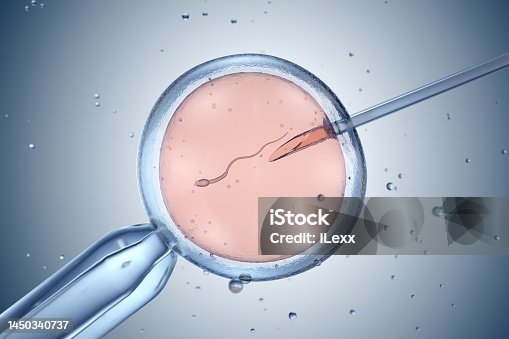
Burundi: in vitro fertilization, a subject of controversy among certain couples of believers
Extracorporeal fertilization is not unanimous among certain believers in Burundi for whom the work of procreation must remain exclusively reserved “to the Creator”.
INFO SOS Médias Burundi
A woman from Bubanza province (western Burundi) who requested anonymity says she has been waiting for more than 15 years to become pregnant. She nevertheless refuses to resort to artificial fertilization because this practice is in total contradiction with her Christian faith.
Denise lives in Kinama in the north of the commercial city Bujumbura and has been waiting too long for a baby who doesn’t come.
“She personally sees nothing wrong with this practice of fertilization. But even if she collects information on it, she knows that she will come up against a categorical no from her husband, a devout Pentecostal, the day she will ask him”.
As for Claudette, even though she is desperately waiting for a baby, she says she prefers to adopt children rather than go through in vitro fertilization.
All these women interviewed converge on the fact that waiting seems to be the woman’s business alone, because often, it is she who is singled out as responsible for the inability to have children, even when the problem does not come from her, in Burundian society.
You might also like
Nduta (Tanzania): at least five children tested positive for HIV/AIDS, a first since 2015
At least five under-two-year old children have tested positive for HIV/AIDS in the Tanzania’s Nduta refugee camp. Refugees are so worried and say they fear that the number of children
Bujumbura : Burundi government introduces a stabilization allowance for its doctors
The Burundian government, through the ministries in charge of Health and Finance, has taken a significant step to retain its health professionals. A joint order, signed on January 16, 2025,


Nduta (Tanzania) : acute lack of blood bags in the midst of a malaria crisis
Blood bags are lacking in the health facilities of Nduta camp in Tanzania. The main cause is the withdrawal of blood donors due to poor feeding conditions. Hospitals worry as