
Kakuma (Kenya) : several children threatened by Kwashiorkor
The disease is a harmful consequence of the untimely reduction of the ration reserved for refugees, according to medical sources. The number of malnourished children has almost doubled this year.
INFO SOS Médias Burundi
The health situation of children from 6 months to 5 years is deplorable in the Kakuma camp and its extension in Kalobeyei, located in the northwest of Kenya.
Medical sources are alarmed by cases of Kwashiorkor, a malnutrition syndrome due to protein deficiency, which are increasing
every month in health structures.
“In the last six months, the number of malnourished children has increased from 30 to 50%. These children require regular support to increase their weight. However, as many families do not have the means, this support is almost impossible,” says a medical volunteer based at the Kakuma camp. Facilities that receive the most cases are “Clinic one”, “Clinic five”, “Clinic six”, and “Clinic seven”, which are located in the Kakuma I, II, III and IV zones.
In these facilities, a large number of children receive porridge and chocolate sauce in particular every day.
A local leader confirms the presence of diseases linked to malnutrition in his village.
“The first signs are recorded in the health centers, then when we go around the households we see several children whose cheeks and feet are swollen with abdominal distension, hair that has changed color …”, he laments.
Medical sources fear stunted growth and psychomotor disorders as well as skin lesions in the affected children.
Refugees indicate that the situation is linked to the untimely reduction of their ration, which has been reduced to 3 kg of corn, sorghum or rice per person.
November was the worst of months according to Burundian refugees.
“I received 1kg of rice, ½ kg of peas and ¼ liter of cooking oil. This must be multiplied by the size of the family. Imagine what I have with my family of three children and my wife to cover a whole month”, laments a Burundian refugee, adding that this ration cannot last a week.
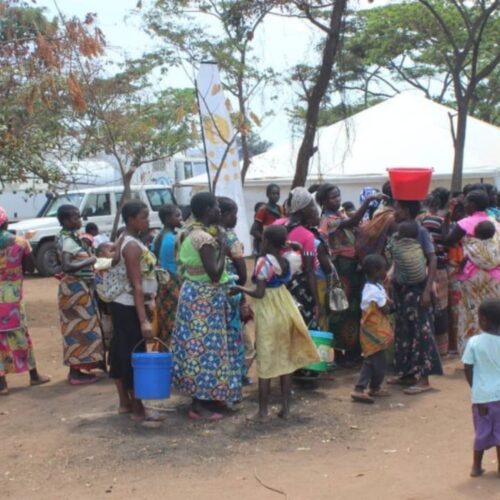
Refugees who confided in SOS Médias Burundi ask the UNHCR and other humanitarian agencies to save the situation in this large camp which shelters more than 250,000 refugees including more than 25 thousand Burundians.
——-
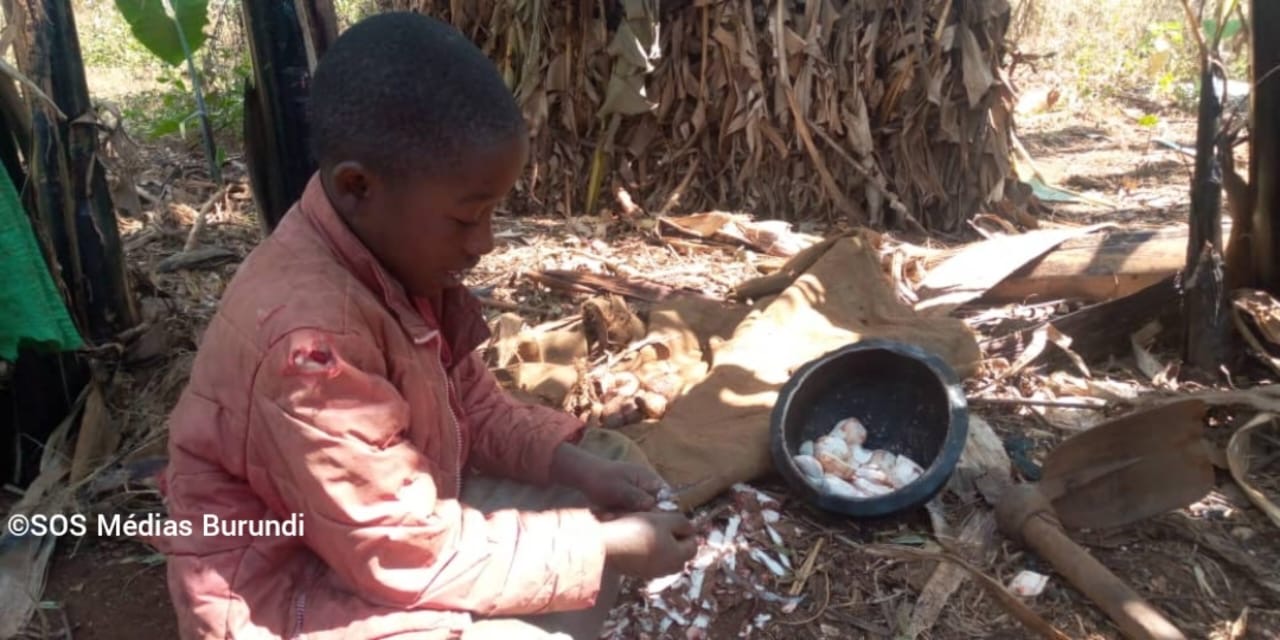
Illustration photo : a refugee child peels sweet potatoes in a Burundian refugee camp in Tanzania (SOS Médias Burundi)
You might also like

Kakuma-Kalobeyei (Kenya): police hunt down criminals
The Kenyan police have multiplied search and raid operations on centers in the Kakuma and Kalobeyei camps arresting refugees in connection with investigations into rampant crime in the two settlements
Nyarugusu (Tanzania): mkimbizi mwenye asili ya Burundi alipatikana akiwa maiti
Mkimbizi kutoka Burundi mwenye umri wa miaka takriban miaka 40 aliuwawa na watu wasiojulikana karibu ya kambi ya wakimbizi ya Nyarugusu nchini Tanzania. Polisi inasema ni tukio la wizi lililokwenda
 : several children threatened by Kwashiorkor)
Meheba : refugees elect new representatives, a Burundian among those elected
SOS Médias Burundi Meheba, May 7, 2025 – Refugees in the Meheba camp in Zambia have just renewed their village representatives. While they welcome the process, many of them regret