Burundi : political parties warn of worsening poverty and obstacles to democracy
SOS Médias Burundi
In a context marked by a persistent socio-economic crisis, voices are being raised within Burundian political parties to denounce obstacles to democracy and the continued deterioration of the population’s living conditions. In Bujumbura, the commercial capital, as well as in Makamba (south), political parties not affiliated with the government are sounding the alarm.
Bujumbura/Makamba, April 13, 2025 – At a press conference held in early April in Bujumbura, the Burundi Bwa Bose coalition painted a bleak picture of the economic situation. Its Secretary General, Kefa Nibizi, pointed to soaring prices, the depreciation of the national currency, shortages of fuel and basic necessities, and stagnant wages.
“Life has become unbearable for the majority of Burundians. Poverty is entrenched, while the government makes ineffective decisions,” he declared, denouncing what he deemed irresponsible management.
According to the coalition, this crisis risks compromising the smooth running of the electoral process scheduled for 2025. It calls for urgent reforms, the revival of cooperation with technical and financial partners, and the fight against corruption.
In Makamba, political parties demand greater freedoms
A few days later, in Makamba, the platform of registered political parties brought together several parties to discuss current political challenges. Casimir Ngendanganya, of PALIPE AGAKIZA, denounced the arbitrary arrests of young activists, particularly in Gitega province (central part of the country).
“Some are in prison solely because of their political affiliation. This discourages participation and stifles democratic debate,” he stated.
Financial and cultural barriers highlighted
Générose Nahimana, of the KAZE FDD party, highlighted the exclusion of parties without access to public funding, unable to cover the costs associated with electoral participation. Cécile Nshimirimana, of FROLINA, highlighted the cultural and economic barriers that hinder women’s involvement in politics.
All speakers agreed on the same observation : the Burundian democracy remains fragile, undermined by poverty, restrictions on freedoms, and the lack of equal opportunity in political competition.
They call for inclusive dialogue, structural reforms, and more equitable governance to break the country’s impasse.
———
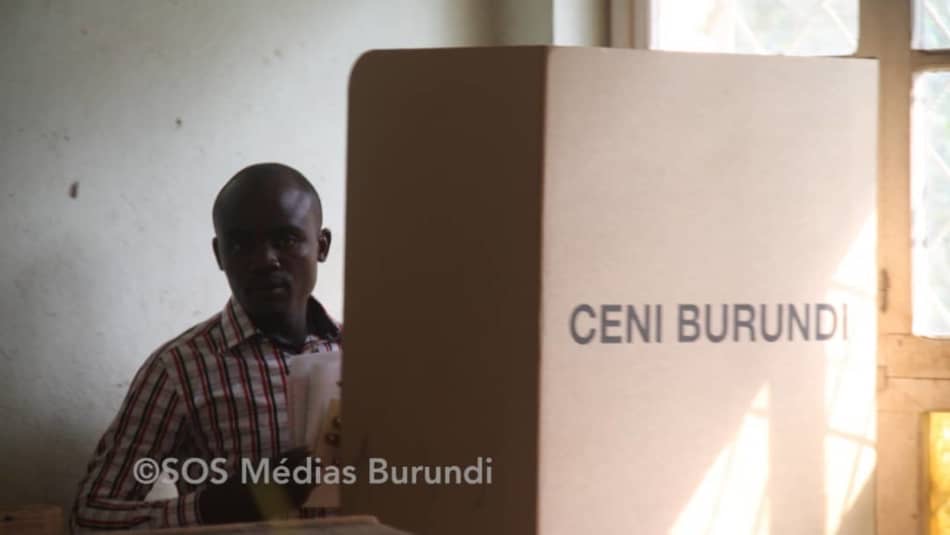
A man in a polling station set up by the CENI in Burundi (SOS Médias Burundi)
You might also like
Burundi : the corpse of former president Pierre Buyoya repatriated in simplicity
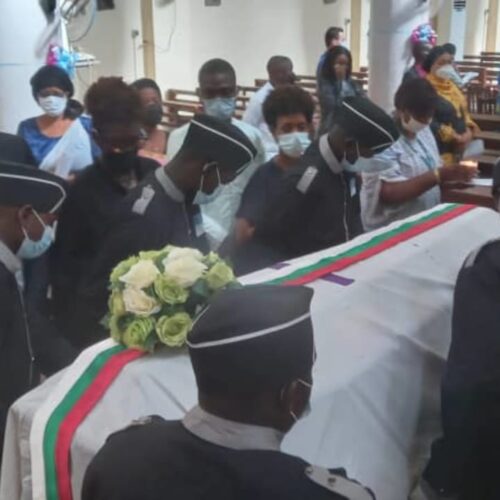
The body of former Burundian president Pierre Buyoya was repatriated on Tuesday evening. No honors from a former head of state or public authorities to receive him at Bujumbura airport
Muyinga: Butihinda commune administrator dismissed
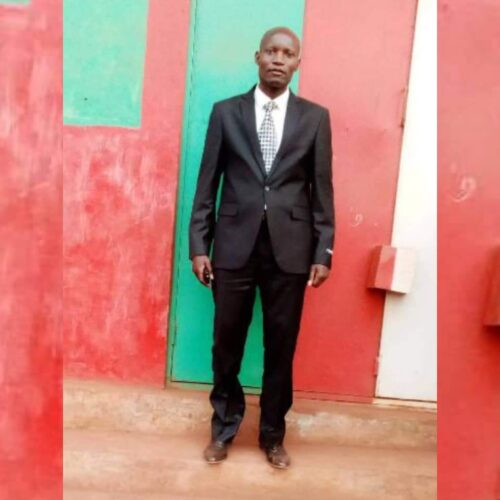
Revocat Ruberandinzi, administrator of the commune of Butihinda in the province of Muyinga (North-East of the country) was suspended from his duties by the minister for interior Martin Niteretse on

Kivu-kaskazini : Hali ya utulivu inaripotiwa eneo la Sake baada ya siku ya hofu
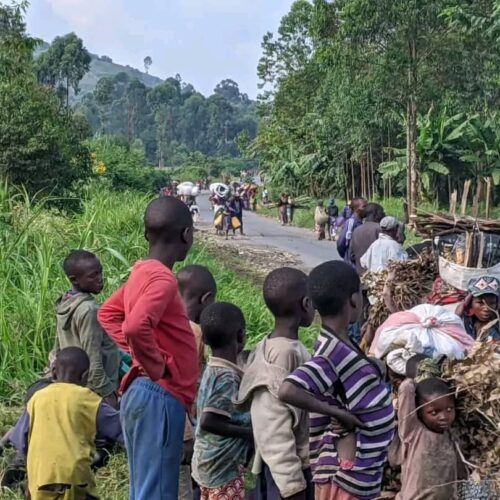
Mapigano kati ya jeshi la jamuhuri ya kidemokrasia ya Kongo na waasi wa M23 katika jiji la Sake ndani ya wilaya ya Masisi mkoa wa Kivu kaskazini (mashariki mwa DRC)