Burundi : the press under control at the National Assembly
SOS Médias Burundi
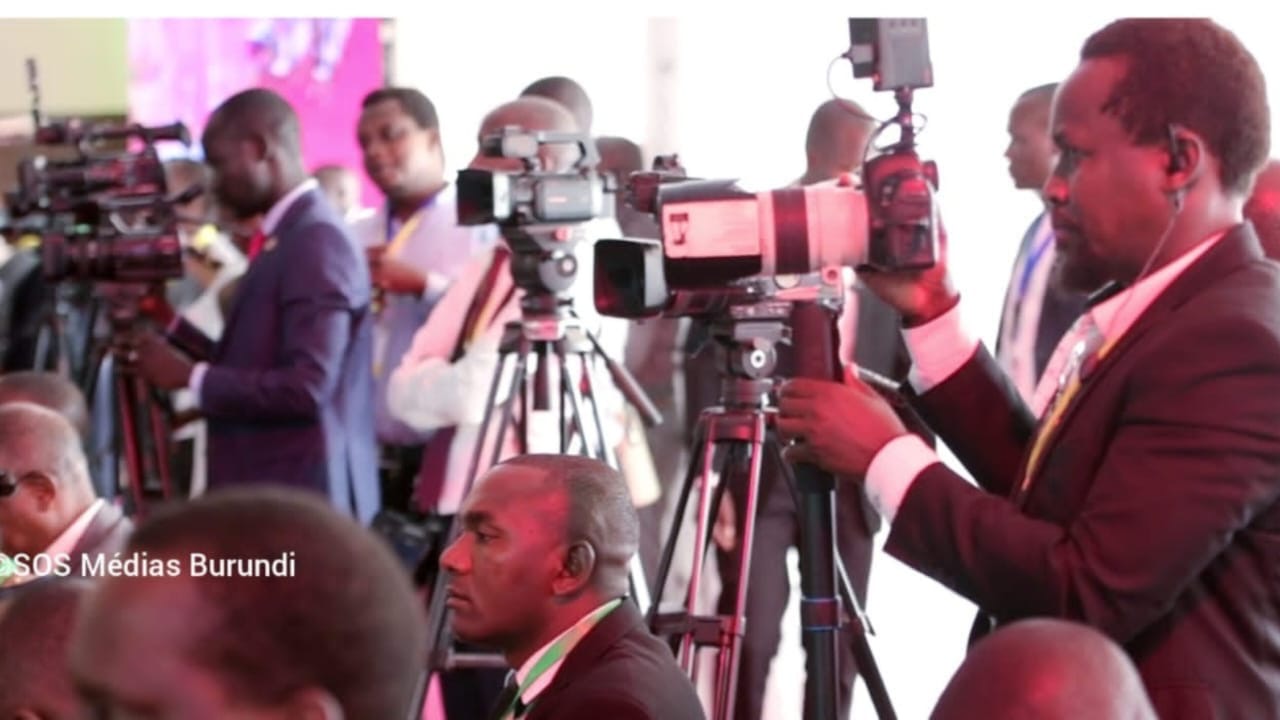
Bujumbura, October 6, 2025 — Journalists’ access to the National Assembly of Burundi is becoming increasingly restricted. Following the gradual exclusion of private media last August, a new measure now requires a special access card for any coverage of parliamentary activities at the Kigobe Congress Palace, north of Bujumbura, the commercial capital.
A cascade of restrictions
For several weeks, journalists have reported being removed without explanation from the Assembly’s internal messaging groups, which were used to share agendas and official press releases.
The decision to ban live broadcasts of parliamentary debates, implemented for the first time during the August 19 session, has already marked a turning point.
“MPs must be accountable to their constituents.” “Restricting access to parliamentary information sets a serious precedent in a country that claims to be democratic,” confided a journalist who spoke anonymously.
An access card to filter journalists
On September 29, Aimé Emmanuel Nibigira, senior advisor to the National Assembly, gathered media officials to announce the implementation of a new system : from now on, no coverage of sessions will be possible without an official access card.
To obtain this document, journalists must present their national press card. However, according to several editorial managers, this requirement is unenforceable :
“Even the CNC (National Communication Council) has not issued press cards for some time. It’s a blatant blockage,” they denounced.
Professional and logistical constraints
The measure is worrying editorial offices, already facing difficulties related to the persistent fuel shortage.
“We have several journalists assigned to parliamentary coverage. “If only one card is issued, it will paralyze our work,” explains an editor-in-chief.
A climate of mistrust and control
Since the beginning of the 2025-2030 legislative term, several journalists have been denied access to Kigobe without justification. Live streaming of sessions, once public, has also been interrupted. For many observers, this represents a major setback for democratic transparency.
Aimé Emmanuel Nibigira’s statements have only fueled fears:
“Each journalist will be personally responsible for any information—article, photo, or video—that does not please the Assembly authorities.”
This statement contradicts the Burundian press law, which specifies that journalistic errors are the responsibility of the media’s editorial staff, not an individual journalist.
Towards institutional opacity
As early as August, several sources within the National Assembly suggested a political desire to reserve parliamentary coverage for public media, or even to drastically limit the dissemination of information on legislative activities.
Since the majority of deputies are from the CNDD-FDD party, the ruling party, some observers fear unilateral and opaque management of public affairs.
For many professionals, the access card is not a simple administrative formality, but a political filtering tool intended to further restrict the media space.
With the 2025-2030 legislative term barely beginning, this series of restrictions raises fears of a further decline in press freedom and a weakening of citizen control over public institutions.
You might also like

Burundi : an RTNB journalist arrested, heavy silence in local media
SOS Médias Burundi Bujumbura, September 3, 2025 – Journalist Marius Muhirwe, employed in the news department of the Burundi National Radio and Television (RTNB), was arrested on Wednesday in Bujumbura
Gitega: the journalist Gérard Nibigira’s case becomes knoty
The case of the radio Isanganiro correspond in the province of Gitega (central Burundi) has been entrusted to the prosecution. Yet, the journalist was not questioned by an OPJ even


Bujumbura : Journalist Didier Ndihokubwayo faces justice after nearly 11 months in detention
SOS Médias Burundi Bujumbura, October 13, 2025 — Journalist Didier Ndihokubwayo, a contributor to Radio Maria Burundi, was to appear on Tuesday before the Mukaza First Instance Court in the