
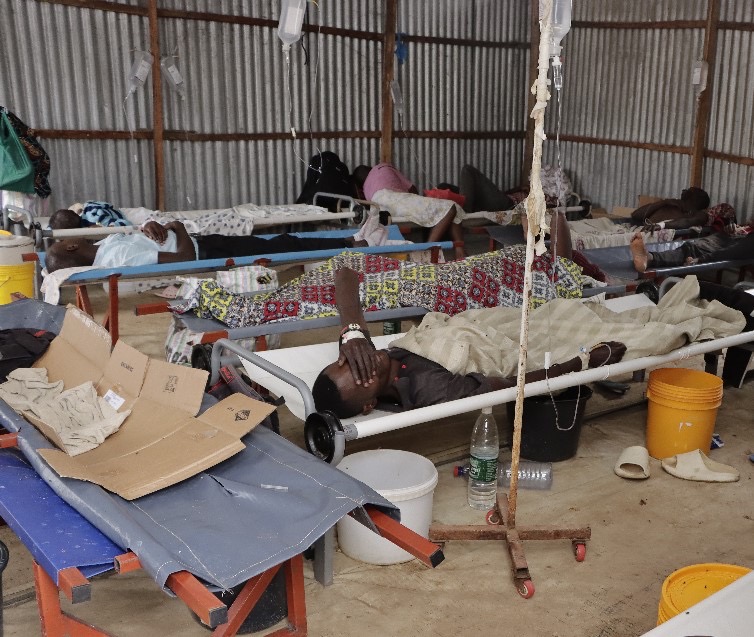
Cholera outbreak in Bujumbura : Kamenge Secondary Technical School closes as a precaution
SOS Médias Burundi
Bujumbura, November 3, 2025 — Kamenge Secondary Technical School, in the urban district of Ntahangwa in Bujumbura, Burundi’s commercial capital, suspended classes on Monday morning after several cases of cholera appeared among its pupils. According to sources on site, about ten pupils had already been showing symptoms since last Saturday. Health authorities have confirmed the diagnosis.
“Since Saturday, we noticed that several pupils were suffering from acute diarrhea and vomiting. The health authorities confirmed that it was indeed cholera,” said a teacher encountered at the school, describing the alarming situation.
Transfer of patients to referral hospitals
Starting Monday morning, ambulances transported patients to Prince Regent Charles Hospital and King Khaled Hospital in Kamenge. School authorities asked all teachers and day pupils to stay home until further notice.
“We preferred to send home the pupils who arrived this morning before they even entered the school. It is absolutely essential to avoid any gatherings and physical contact, especially handshakes,” explained a member of the administration.
Emergency health measures
The Ministry of Public Health deployed hygiene teams to disinfect the premises. Spraying of latrines, dormitories, and common areas began Monday afternoon.
“Our priority is to stop the spread of cholera within the school,” stated an official from the hygiene department.
“We have also raised awareness among pupils and staff about preventative measures.”
A critical lack of water is at the root of the problem
The Kamenge Technical Secondary School has over a thousand pupils, but has long suffered from a shortage of drinking water. According to several accounts, water only flows from the taps between two and three in the morning, and even then, irregularly. Pupils must therefore get up in the middle of the night to fetch the water they need for their daily hygiene.
“We have to wake up very early to look for water. Those who don’t get up stay without washing or cleaning the classrooms,” says a boarding pupil.
“During class, we’re tired, we’re drowsy. It’s difficult to keep up.”
Faced with these conditions, some parents have chosen to send their children to day school to allow them easier access to drinking water at home.
Context of tensions and sabotage
According to local sources, the water supply was sabotaged by malicious individuals amid tensions surrounding the director of the facility and ethnic disputes fueled on social media and WhatsApp.
Cholera situation in the country
Burundi faces cholera outbreaks in certain areas every year. Since January 1, 2025, 2,401 cases have been reported in 12 health districts : Cibitoke, Bujumbura North, Bujumbura Central, Bujumbura South, Isare, Kabezi, Mpanda, Makamba, Bubanza, Mabayi, Rwibaga, and Rumonge, in the northwest and southwest of the country, according to the Ministry of Health.
A memo from the Ministry of Education, published on November 3 and seen by SOS Médias Burundi, calls on school principals to strengthen hygiene measures and alert administration authorities in the event of a dangerous illness.
“Cholera remains a preventable threat if hygiene rules are respected,” a ministry official stated.
“But without regular access to clean water, these measures remain difficult to implement.”
You might also like
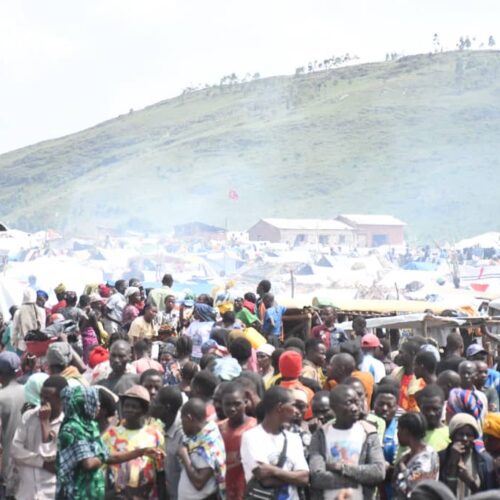
Busuma : mass deaths and indifference, Burundi’s humanitarian scandal
SOS Médias Burundi Ruyigi, January 2, 2026 – At the Busuma camp in Ruyigi district, Buhumuza province, eastern Burundi, more than 90 Congolese refugees have died in less than a
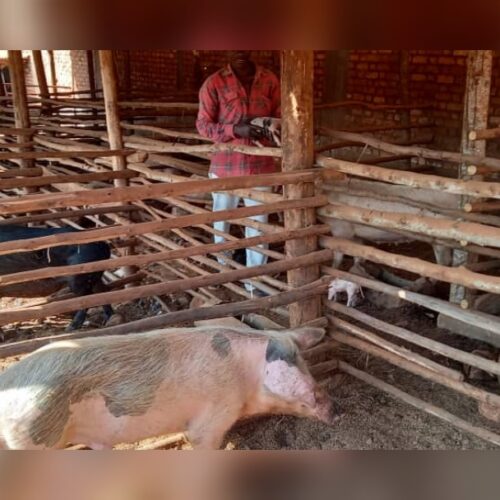
Burundi: Pig disease kills several of them
At the beginning of October 2022, three pigs died on Kibimba hill in the commune of Giheta in the province of Gitega (Central Burundi).A disease which is still not known
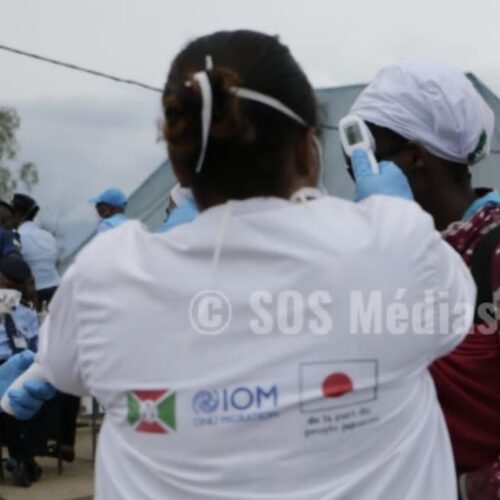

Burundi: an attractive salary policy is needed to slow down the departure of doctors abroad (unions)
Low salaries and equipment lack are the main causes of the flight of Burundian doctors to other countries, stated the Health Personnel National Union (SYNAPS) chairman in a press briefing