

Burundi : the distribution of insecticide-treated mosquito nets disrupted by poor internet connection
SOS Médias Burundi
Bujumbura, November 28, 2025 – The national campaign to distribute insecticide-treated mosquito nets, launched on November 26 and scheduled to end on December 1, is currently underway in all the villages and urban neighborhoods of the small east African nation. Initially well-organized, it is nevertheless experiencing serious delays, largely due to the connectivity problems that have paralyzed the country for several months.
The SOS Médias Burundi team observed that distributors use tablets to record the identity of beneficiaries before and after the distribution of the mosquito nets. However, the poor connectivity prevents real-time data synchronization, significantly slowing down operations. The result is visible everywhere : endless queues, residents waiting for hours, sometimes since dawn, before leaving without being served and returning the next day.
“A heavy burden for a low wage”
In Nyakabiga, in the commercial capital Bujumbura, a distributor interviewed by SOS Médias Burundi explains that he sometimes works up to 20 hours straight.
“It’s hard work and poorly paid,” he says.
“When the connection drops, everything stops. And we just stand there waiting while the queue keeps getting longer.”
Similar accounts reached us from other neighborhoods in Bujumbura, as well as from several provinces in the countryside, where distribution teams say they are overwhelmed and exhausted.
Malaria remains one of Burundi’s leading health scourges
Burundi remains among the countries most affected by malaria in Africa. In 2021, the incidence rate reached 537.6 cases per 1,000 inhabitants.
The disease alone accounts for 44.1% of medical consultations and nearly 59.4% of hospital deaths recorded in the country.
Faced with these alarming figures, health authorities have implemented numerous prevention strategies : awareness campaigns, distribution of insecticide-treated bed nets, and improved access to antimalarial treatments. The current campaign is one of the cornerstones of this fight.
Bed nets on the black market : a very real parallel trade
However, some bed nets are diverted from their intended purpose. According to a doctor and former head of a health district, some are diverted immediately after distribution and then resold to fishermen on Lake Tanganyika. Others, even more discreetly, fuel a parallel market around Lake Cohoha, a body of water located on the border between Burundi and Rwanda, where they are reportedly sold to fishermen and intermediaries.
A portion even crosses the border into the DRC, where mosquito nets sell for up to $30 each, or approximately 189,000 Burundi francs—a price beyond the reach of most Burundian households.
You might also like

Political tolerance : Agathon Rwasa does not believe in President Ndayishimiye’s statements
This Monday, the leader of the CNL, the main opposition party in Burundi, Agathon Rwasa, hosted a press briefing. According to him, political intolerance is still a reality in Burundi.
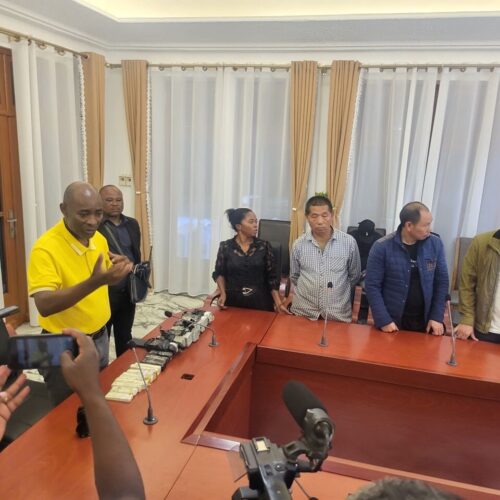
Bukavu : three Chinese in possession of several pieces of gold ingots arrested
The three Chinese nationals are prosecuted for “illegal exploitation of minerals”. They were apprehended while leaving the territory of Walungu in South Kivu. Four Congolese including two soldiers, a translator
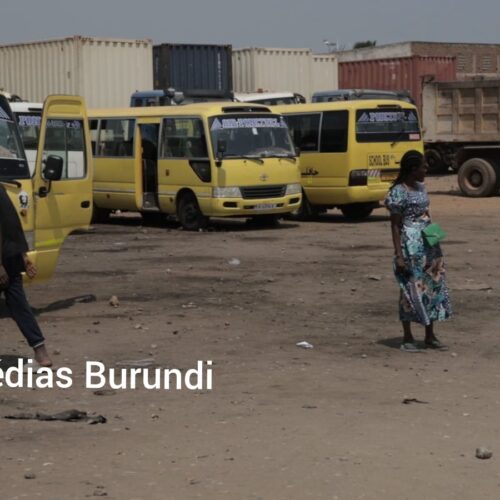

Burundi : fuel shortages and record fines paralyze the entire transportation network
SOS Médias Burundi Bujumbura, July 29, 2025 – A complete paralysis of public transportation has gripped the small east African nation. Since Sunday and throughout Monday, parking lots in Bujumbura,