Burundi–DRC : after the M23 withdrawal, South Kivu authorities return to Uvira via Gatumba–Kavimvira
SOS Médias Burundi
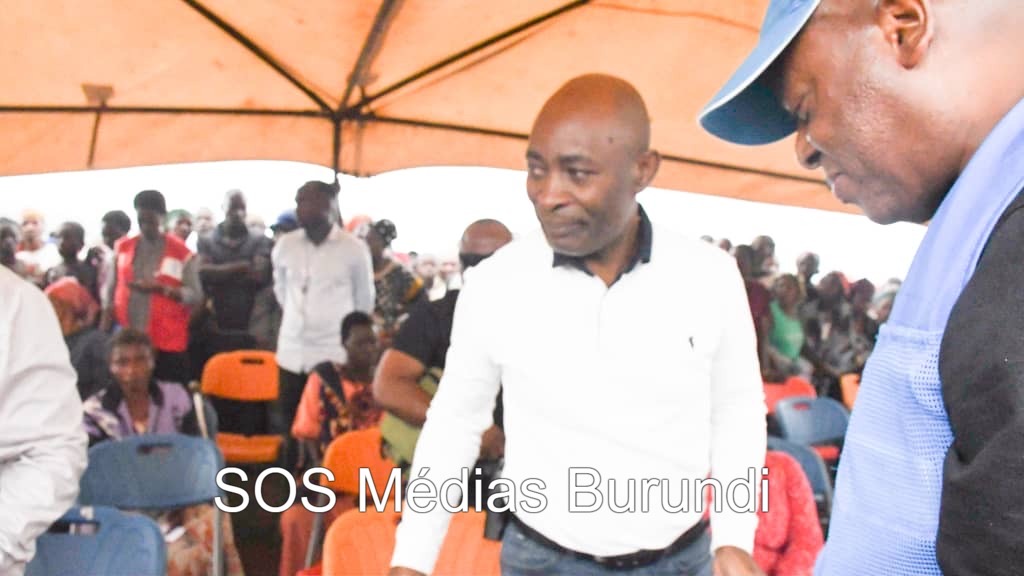
Bujumbura, January 23, 2026 — A delegation of authorities from the province of South Kivu, in eastern Democratic Republic of Congo (DRC), led by the mayor of Uvira, returned to Uvira on Thursday, January 23, 2026, from Bujumbura, Burundi’s commercial capital, via the Gatumba–Kavimvira border crossing between Burundi and the DRC. Bujumbura is located just a few kilometers from Uvira, on the other side of the Ruzizi River, giving this border crossing major strategic importance.
Since the capture of Bukavu, the capital of South Kivu province, nearly a year ago, a large number of Congolese officials in the province have resided in Bujumbura. The provincial administration then relocated to Uvira, which became the provisional station of the central administration of South Kivu. After Uvira fell to the M23 rebels on the night of December 9-10, 2025, the few remaining officials in the city fled to Burundi, making Bujumbura an administrative refuge for the South Kivu authorities.
Kavimvira fell under the control of the M23 rebels on the night of December 9-10, 2025, following the defeat of the Armed Forces of the Democratic Republic of Congo (FARDC) and their allies, including the local Wazalendo militias supported by Kinshasa, as well as Burundian troops fighting alongside the Congolese government. After several weeks of occupation, the rebels withdrew definitively last weekend, paving the way for a gradual return of Congolese authorities to Uvira, in a still fragile security environment.
A humanitarian crisis on Burundi’s doorstep
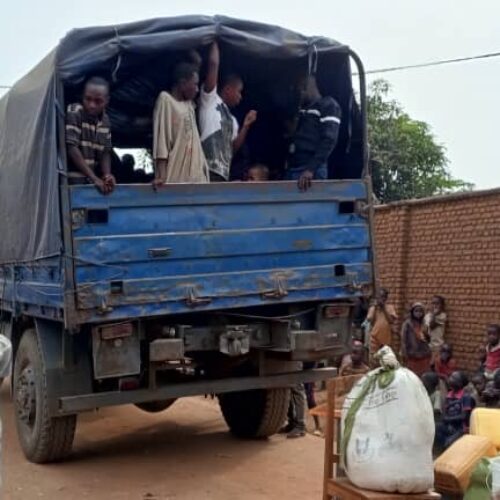
The resumption of fighting in December 2025 in the Rusizi Plain triggered a massive influx of Congolese people into Burundi. Tens of thousands of refugees crossed the border and were received in various transit centers before being transferred to the Busuma camp in Ruyigi district, in Buhumuza province, eastern Burundi.
In Cishemere, not far from the border with the DRC, in the Cibitoke region, as in other host sites, refugees live in extremely precarious conditions, marked by a lack of food, shelter, and healthcare, as well as hygiene problems that have fostered the emergence of waterborne diseases, including cholera.
Uvira, Burundi’s economic heart
Uvira is considered the economic heart of Burundi. Many residents of Bujumbura, where the United Nations agencies and the central administration are concentrated, depend on this Congolese city for their supplies, particularly fuel. Burundi has been experiencing a chronic fuel crisis for over five years, forcing traders and individuals to refuel in Uvira.
The closure of the Gatumba border crossing, following the occupation of Uvira by the M23, has thus severely disrupted economic exchanges and the daily lives of the populations of both countries. According to sources close to the Congolese government, the border between Burundi and the DRC, closed since December 10, 2025, should be reopened before the end of January, a prospect eagerly awaited by economic actors and local populations.
Targeted violence after M23 withdrawal
Despite the rebels’ withdrawal, the security situation remains worrying. Several acts of violence, ranging from the destruction of homes to targeted assassinations, have been reported since the M23’s departure. These attacks primarily targeted members of the Banyamulenge community, a minority in South Kivu often associated with Rwandans, in a context of high intercommunity tensions.
A conflict deeply rooted in regional dynamics
These developments are taking place within an extremely tense regional context. Reactivated at the end of 2021, the M23, composed mainly of Congolese Tutsis, is part of the Congo River Alliance (AFC), led by Corneille Nangaa, former president of the Congolese Independent National Electoral Commission (CENI).
The movement controls several strategic areas in North and South Kivu, including Goma and Bukavu, the provincial capitals, as well as the Rubaya mining site, one of the world’s largest coltan deposits, supplying a significant portion of the tantalum used in the electronics industry and new technologies.
According to an internal report from the Congolese Ministry of the Interior and Security, consulted by SOS Médias Burundi, Burundi deployed more than 29,000 soldiers in eastern DRC between August 2022 and December 2025, of whom approximately 10,000 are still present on the ground, fighting alongside the FARDC and the Wazalendo militias against the M23.
Kinshasa accuses Kigali of supporting the M23, while Rwanda rejects these accusations and asserts that the DRC and Burundi are providing support to the Democratic Forces for the Liberation of Rwanda (FDLR), a Rwandan Hutu armed group whose members are accused of participating in the 1994 genocide against the Tutsis.
Despite the signing of the Washington Agreement on December 4, 2025, under the US mediation—in which Burundi participated as an observer—fighting continues on the ground. Despite repeated denials from Kigali, a report by UN experts, whom Rwandan authorities have dismissed as “imposters,” indicates the presence of 5,000 to 7,000 Rwandan soldiers alongside the AFC/M23 rebels.
You might also like
Burundi : three children sexually assaulted in one month, alarm raised in Rumonge
SOS Médias Burundi Rumonge, July 16, 2026 – At least four cases of sexual violence, three of which involved children, have been reported in the space of a month in
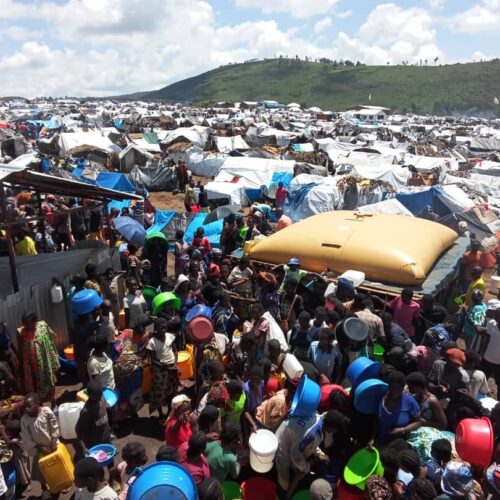
Musasa : after months of thirst, water returns… but the crisis threatens to continue
SOS Médias Burundi Musasa, July 16, 2026 – After more than six months marked by a severe shortage of drinking water, Congolese refugees in the Musasa camp, located in Butanyerera

Bujumbura : mass arrests of Congolese, fear takes hold in the capital
SOS Médias Burundi Bujumbura, October 4, 2025 – A climate of fear and uncertainty has taken hold within the Congolese community living in Bujumbura, the commercial capital of Burundi. The