
Ruyigi : dozens of Congolese refugees behind bars for leaving their camps
SOS Médias Burundi
Ruyigi, February 21, 2026 – Several Congolese refugees from the Busuma, Nyankanda, and Bwagiriza camps, located in the district of Ruyigi, in the province of Buhumuza, eastern Burundi, are currently held in the Ruyigi police station’s cells for leaving their camps without an exit permit.
Our newsroom was unable to obtain the exact number of people arrested. However, several sources indicate that dozens of refugees are in detention.
These arrests come amid persistently precarious living conditions and a significant reduction in humanitarian aid, particularly food assistance.
In the refugee camps of Buhumuza province, as in other host sites in this small east African nation, any travel more than five kilometers outside the camp requires prior authorization from the administration, commonly known as an “exit permit.” Previously, refugees could move freely within the district where the camp was located simply by presenting their refugee identity card. Today, many of them complain about the scarcity of these permits given the increasing number of requests.
“Exit permits are issued only three times a week and in very limited quantities. Yet, problems don’t discriminate. There might be a death, an illness, a vocational training opportunity, or a family emergency. When you don’t receive the permit despite the urgent situation, some take the risk of leaving anyway,” says Angela, a refugee in the Nyankanda camp.
According to her testimony, some refugees try to cross the barriers manned by the Imbonerakure, the youth wing of the CNDD-FDD, the ruling party, which is involved in security matters in the districts, by paying around 2,000 Burundi francs to avoid informal checks. “But when you come across the police, without a valid ticket, you’re arrested. You can be thrown in jail and only released after paying a fine,” she adds.
Other refugees are stopped on their return while their tickets, often valid for less than fifteen days, expire before they reach the checkpoints, particularly at the entrance to Ruyigi.
“We live without official identity documents. Many of us haven’t yet received refugee cards. Without papers, every trip becomes a risk.” “When we want to go to Bujumbura, the commercial capital, for a family visit or to look for work to feed our families, we are accused of intending to return to the Democratic Republic of Congo. Yet, we are only trying to survive,” explains Salima, a refugee in the Busuma camp.
Several refugees also mention their desire to return to the Democratic Republic of Congo, despite the persistent insecurity, due to the precarious living conditions in the camps. However, some claim to have been arrested in Ruyigi while trying to reach the border, then returned to the camp against their will.
Regarding the movement restrictions, the National Office for the Protection of Refugees and Stateless Persons (ONPRA) explains that the issuance of exit permits is a response to security imperatives and the need to ensure administrative monitoring of refugee movements. According to this institution, these measures aim to guarantee the safety of refugees and host communities, while maintaining an organized administrative framework.
The situation became more visible on Thursday, February 19, during a visit to the Busuma camp by a delegation led by Ruvendrini Menikdiwela, Deputy Global Representative for Protection at the United Nations High Commissioner for Refugees (UNHCR), who was touring various camps in the country.
The refugees, who have been living in the camp since December 2025, used the visit to express their discontent with difficult living conditions and demand the opening of a voluntary return corridor to the Democratic Republic of Congo. According to several witnesses, the demonstration was dispersed by police, who reportedly fired about thirty shots into the air to control the crowd. Four people were reportedly arrested following the incident.
The district of Ruyigi hosts more than 80,000 refugees spread across the Nyankanda, Bwagiriza, and Busuma camps. The neighboring district of Cankuzo also hosts more than 20,000 refugees at the Kavumu camp. In total, Buhumuza province hosts more than 100,000 Congolese refugees.
Faced with reduced humanitarian aid and increasing demographic pressure, the issues of mobility, compliance with administrative procedures, and cooperation are becoming increasingly critical. Living conditions in the camps remain a central concern for refugees.
You might also like
Bwagiriza : when groundwater threatens refugees’ homes
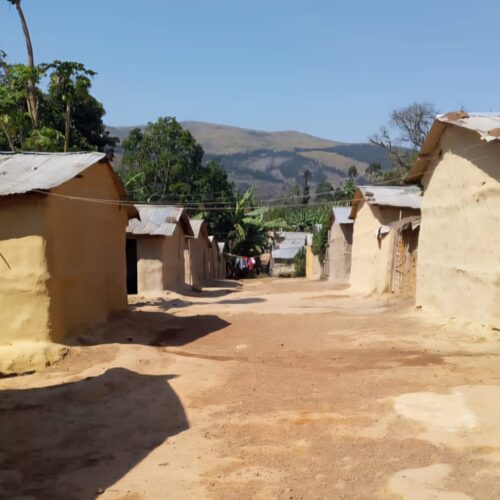
SOS Médias Burundi Ruyigi, April 6, 2026 — At the Bwagiriza refugee camp, in the district of Ruyigi in Buhumuza province in the east of the small East African nation,
Mahama (Rwanda) : several humanitarian NGOs close their doors, refugees in limbo
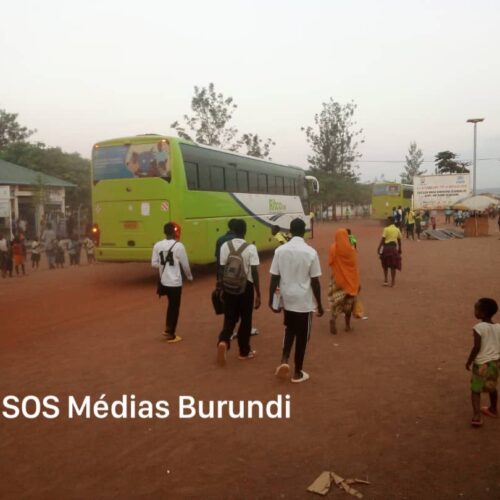
The humanitarian situation in the Mahama refugee camp, in eastern Rwanda, is rapidly deteriorating. Several NGOs have announced the closure of their programs, while others are drastically reducing their staff.

Mahama (Rwanda): a demonstration by Congolese refugees
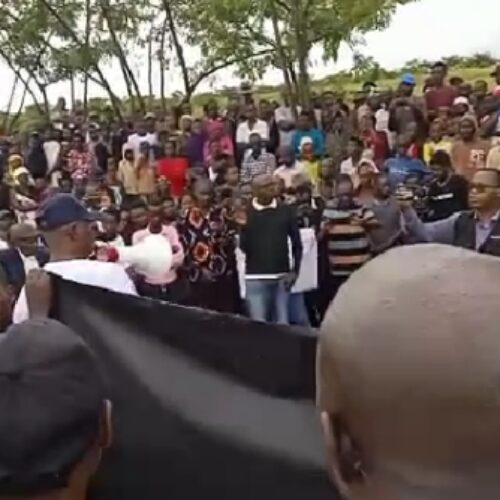
Several Rwandophone Congolese refugees settled in the Mahama camp in Rwanda marched on Tuesday to protest against what they describe as “genocide against Tutsi families in North Kivu” in their