

Cholera in Bujumbura : between a surge in cases and sanctions, the government takes a hard line
SOS Médias Burundi
Bujumbura, April 4, 2026 — Burundi is facing a worrying resurgence of cholera in 2025-2026, with more than 3,500 cases recorded in 2025 and new outbreaks reported since the beginning of the year, particularly in Bujumbura, the commercial capital, in the Ntahangwa district, where the affected neighborhoods are located, as well as in the Cibitoke region in the northwest. This epidemic is fueled by flooding, insufficient access to drinking water, and precarious sanitation infrastructure.
In the commercial capital of the small East African nation, a surge in cases has been reported since the beginning of this week in several neighborhoods in the north of the city, including Bubanza, Bukirasazi, Uwinterekwa, Gisandema, and Nyabagere.
According to health authorities, 38 cases of cholera have been recorded in just three days. The patients are currently being treated at the Prince Regent Charles Hospital, where medical teams are working to contain the spread of the disease. Eighteen of these cases are from the Bubanza and Bukirasazi neighborhoods, which are particularly affected.
Faced with this alarming resurgence, the Burundian government is taking a tougher stance. A joint decree signed on February 18, 2026, by the Ministers of Public Health, the Interior, and Finance now imposes fines on anyone who fails to comply with hygiene and sanitation regulations. The sanctions will take effect on April 6.
According to the Minister of Health, Lydwine Baradahana, this measure aims to hold both the population and local authorities accountable, as the government affirms it is intensifying its efforts in the fight against epidemics linked to unsanitary conditions. During a press conference held on April 2, 2026, she also warned of the seriousness of the situation in the affected areas.
Health authorities are pointing to several risky practices : illegal connections to water networks, stagnant wastewater, and unregulated emptying of septic tanks. These factors are exacerbated by flooding and the critical lack of access to drinking water, which promotes the spread of the disease.
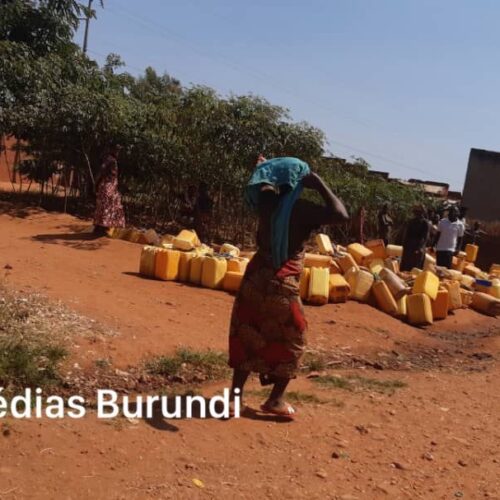
Deprived of access to safe water, many residents are turning to local rivers for their daily needs. However, these waterways are contaminated with cholera vibrios, particularly due to the dumping of household waste and fecal matter. “These practices create a favorable environment for the spread of the disease,” the minister emphasized.
Faced with this situation, the government, with the support of its partners, has implemented response measures, including the care of the sick, awareness campaigns, and emergency interventions to improve access to water and sanitation. More than three billion Burundi francs has been mobilized over the past three months to combat the epidemic.
For its part, the Ntahangwa district administration is calling on the relevant services and waste collection companies to intensify their efforts. However, these companies are facing several obstacles, including non-payment of collection fees by some households, fuel shortages, and an insufficient number of suitable landfill sites.
While the risk of transmission remains high, health authorities are urging the population to adopt strict hygiene measures and avoid consuming untreated water.
Without sustainable solutions, the fight against cholera risks encountering a stark reality : that of populations forced to live without the basic means to prevent the disease.
You might also like
Cholera epidemic : 226 cases registered in northwestern Burundi, MSF comes to the rescue
SOS Médias Burundi Cibitoke, September 18, 2025 – Since the beginning of September, 226 cases of cholera have been recorded in the districts of Cibitoke and Bukinanyana, in Bujumbura province

Kirundo: pregnant women demand free ultrasound
The minister for health suspended the payment of ultrasound bill at the Kirundo hospital (northern Burundi) as is done elsewhere in other public health structures. However, pregnant women who request


Bujumbura : Burundi government introduces a stabilization allowance for its doctors
The Burundian government, through the ministries in charge of Health and Finance, has taken a significant step to retain its health professionals. A joint order, signed on January 16, 2025,