
Kiremba : at Musasa camp, a water crisis plunges more than 9,000 refugees into distress and tensions with local communities
SOS Médias Burundi
Kiremba, April 14, 2026 — In northern Burundi, the Musasa refugee camp, located in Kiremba district in Butanyerera province, is facing a severe shortage of drinking water. More than 9,000 Congolese refugees living there are in dire straits, forced to travel long distances or pay exorbitant prices to access this essential resource.
To obtain water, many refugees are forced to travel more than two kilometers to reach water points in host communities. This situation is particularly difficult for women, children, and the elderly. Others, unable to make these journeys, are forced to buy water from local residents. The price of a jerrycan has now reached 1,500 Burundi francs, a high sum considering the limited resources available to households.
Moustapha, a refugee in the camp, testifies to the daily hardships :
“We are forced to travel through mountains to fetch water, especially those who have no money. With the 30,000 Burundi francs each person receives per month, we can’t afford both food and water.”
Faced with this shortage, some members of the host community have found a source of income in selling water. One of them explains that this activity allows him to meet his basic needs :
“Selling water allows me to earn money. I can make up to 8,000 Burundi francs a day.”
However, the scarcity of water is exacerbating tensions between refugees and local populations. Due to the insufficient number of taps, particularly in low-lying areas, the two communities often find themselves in direct competition. On Sunday, April 12, a heated altercation broke out between refugees and members of the host community. According to several accounts, two refugee women were assaulted during a dispute over access to water.
Sikitu, a refugee in the camp, describes a situation that has become alarming :
“We have just spent several days without access to drinking water. What’s even worse is that today some of us were assaulted by members of the host community because we were arguing over water. The Burundian government and the UNHCR must address this problem, otherwise you will see people die here simply for searching for water.”
The United Nations High Commissioner for Refugees (UNHCR) attributes the situation to a major technical failure in the water supply system, managed on the ground by its partner, the Council for Education and Development (COPED), which is responsible for the distribution and maintenance of the water infrastructure within the camp.
Officials indicate that the main pump, essential for supplying drinking water to the site, is currently out of service. The cost of repairing or replacing it is estimated at over US$27,000, a sum difficult to raise given the current budgetary constraints.
They state that they are actively seeking funding, particularly through the Integrated Community Development Project in Burundi (PRODECI-Turikumwe), which could help restore the water supply in the coming days.”
Meanwhile, refugees in the Musasa camp continue to face a critical situation, where access to drinking water remains a daily challenge, with increasingly worrying humanitarian and security consequences.
You might also like
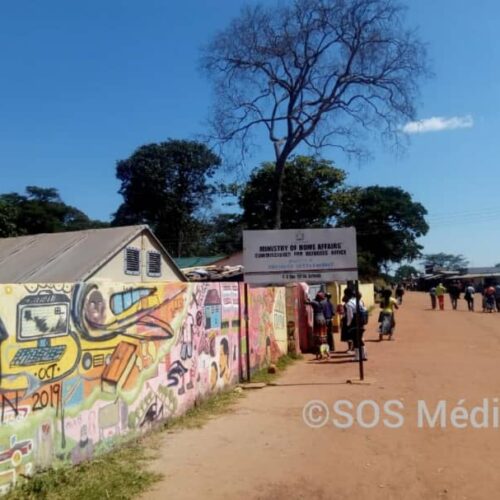
Meheba (Zambia): real community recovery for an estimated population of over 5,000 people
More than 300 refugees, including Burundians, testify to community recovery supported by NGOs including Caritas. These refugees, for example, received capital to start a business. To these are added direct
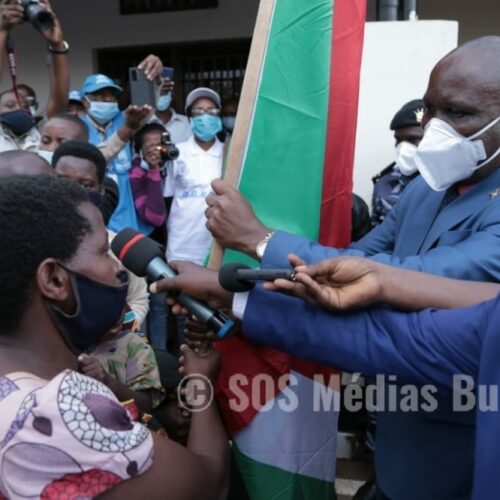
Mahama (Rwanda): Hatma ya wakimbizi wa burundi mashakani
Ujumbe mwingi rasmi na usio rasmi unawalika wakimbizi wa burundi katika kambi ya Mahama nchini Rwanda kurejea “kwa hiari” nyumbani. Kwa wahusika, Hatma yao iko katika hali ya wasi wasi.
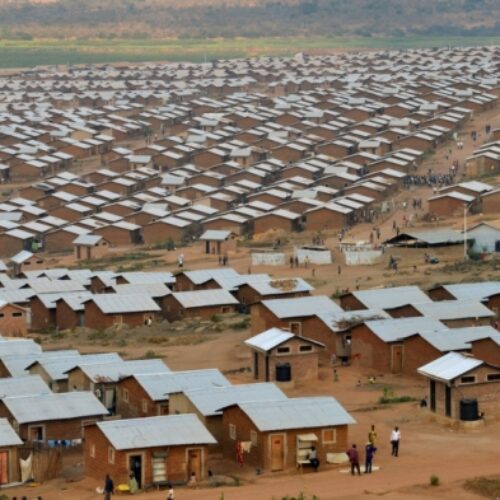

Mahama (Rwanda) : the assistance to refugees is becoming more and more problematic
The UNHCR has made changes to the fuel gas distribution system for refugees in the Mahama camp in Rwanda. This assistance has been cut in half. The refugees cry out