
Repatriation of Congolese refugees : Kinshasa and Gitega launch a sensitive return program amid a still fragile security context in eastern DRC
SOS Médias Burundi
Bujumbura, April 22, 2026 — The Burundian government, in partnership with the United Nations High Commissioner for Refugees (UNHCR), announces the official launch of voluntary and assisted repatriation operations for Congolese refugees living in Burundi. These operations will begin on Thursday, April 23, 2026.
This program initially concerns refugees registered at the Busuma site in Buhumuza province, in the eastern part of the small East African nation. Only those with official refugee status are eligible for this return. Authorities specify that priority will be given to households with school-aged children, particularly those taking national exams, vulnerable individuals, and certain civil servants.
Fazili, a Congolese refugee who has been living at the Busuma site for three months, describes a mixed feeling : “I left Kiriba, leaving my elderly parents in Congo. Today, I am on the list of people who will return. It’s a relief, but also a great worry about the future,” she confides.
The operations concern several areas of the Democratic Republic of Congo, including Uvira and its city, the Uvira–Mboko–Baraka–Fizi axis, as well as the Ruzizi Plain linking Uvira, Kiriba, and Runingu.
In Kinshasa, the capital of Congo, authorities state that more than 43,000 refugees have already returned to South Kivu since the opening of the Burundi-Congo border last March.
The camp had been closed after the capture of the city of Uvira, located a few kilometers from Bujumbura, Burundi’s commercial capital, by M23 rebels in December 2025, before their withdrawal a month later.
A regional conflict with persistent humanitarian consequences
The Busuma site is hosting civilians who fled the violence in several localities of South Kivu, in eastern DRC, in December 2025.
These clashes pit the Armed Forces of the Democratic Republic of Congo (FARDC), supported by Burundian troops and Wazalendo militias, against the rebels of the March 23 Movement (M23), now part of the Congo River Alliance (AFC).
The anti-M23 coalition also includes the Democratic Forces for the Liberation of Rwanda (FDLR), accused of participating in the 1994 genocide against the Tutsis.
The AFC is led by Corneille Nangaa, former president of the DRC’s Independent National Electoral Commission (CENI). The movement controls several strategic areas, including Goma, Bukavu, and the Rubaya mining site, one of the world’s largest coltan deposits.
According to an internal report from the Congolese Ministry of the Interior consulted by SOS Médias Burundi, Burundi deployed more than 29,000 soldiers in eastern DRC between August 2022 and December 2025.
Kinshasa accuses Kigali of supporting the M23, while Rwanda accuses Burundi and the DRC of supporting the FDLR. Despite the Washington Agreement signed on December 4, 2025, under the US mediation between the DRC and Rwanda, fighting continues on the ground. Burundi participated in the process as an observer, represented by President Évariste Ndayishimiye.
Humanitarian support and the refugee situation
The UNHCR and the Burundian authorities reaffirm their commitment to supporting refugees at every stage of the process, guaranteeing dignified, voluntary, and safe returns.
To date, Burundi hosts approximately 200,000 Congolese refugees distributed across five official camps and two regroupment sites. Some also live in urban areas, particularly in Bujumbura and Rumonge, the southwestern port city, some for more than twenty years. The refugees at the Busuma site were settled there between December 2025 and January 2026.
You might also like
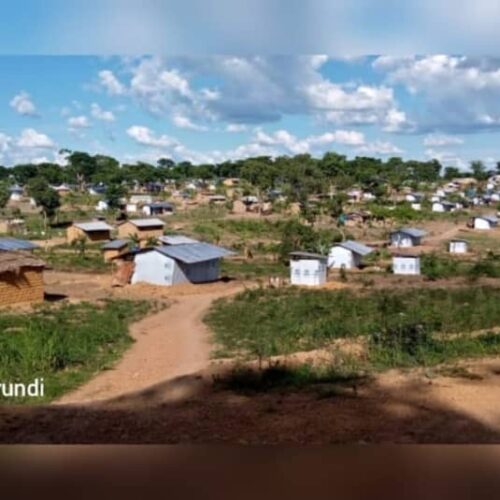
Nakivale (Uganda) : a Burundian refugee killed by his compatriot
SOS Médias Burundi Nakivale, August 26, 2025 – Mob justice resurfaces in the Nakivale refugee camp in southwestern Uganda. A Burundian refugee, known as Bukuru, died on Sunday after being
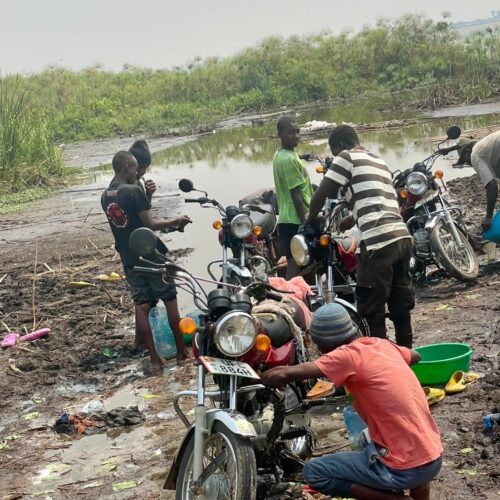
Nakivale (Uganda) : at least four motorcyclists killed in one month, raising concerns in the refugee camp
SOS Médias Burundi Nakivale, September 3, 2025 – The Nakivale refugee camp, located in Isingiro district, southwest Uganda, has been rocked by a series of murders targeting motorcycle riders. At
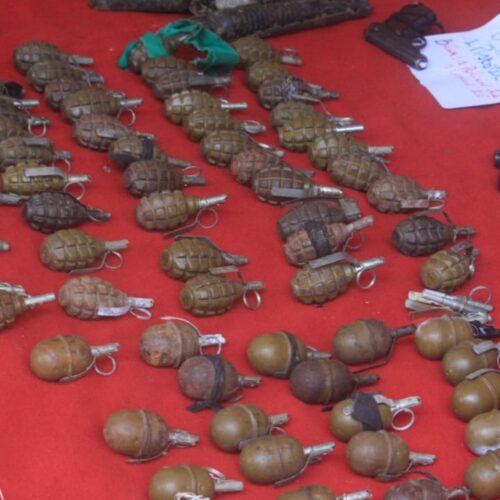

Karusi: Three Killed in Grenade Attack in Bibara, Seven Suspects in Custody
SOS Médias BurundiKarusi, June 18, 2025 — A deadly grenade attack claimed the lives of three members of the same family on the night of Thursday, June 12, in Bibara