
Photo of the week-Rwanda : the biometric card that could change refugees’ lives
Rwanda is continuing its digital transformation with the gradual rollout of a new biometric identity card for all its citizens and residents. This large-scale reform also concerns refugees living in camps and urban centers. Mahama, home to more than 70,000 Burundian and Congolese refugees, the initiative is generating great hope, particularly regarding access to services and socio-economic integration.
The Rwandan government is implementing a national digital identity system presented as modern, secure, and privacy-respecting. For several months, the National Identification Service has been conducting a large-scale biometric data collection operation across the country.
Registered citizens and residents are photographed, their fingerprints taken, and their irises scanned to populate a centralized database designed to facilitate identification and access to various services.
According to the authorities, children will now be integrated into the system from birth. A photograph will be added to their file starting at age four. At age five, fingerprints and iris biometric data will be recorded. A further update, including a digital signature, will take place at age sixteen before the issuance of the final identity card.
Refugees also affected
This reform does not only concern Rwandan citizens. Refugees living in the country will also benefit from new biometric identity cards adapted to the new system.
The immigration service, with the support of the Ministry in charge of refugees and the United Nations High Commissioner for Refugees (UNHCR), is currently conducting a registration campaign in all refugee camps as well as in urban centers.
At the Mahama camp, located in eastern Rwanda, the process is progressing rapidly. A significant number of refugees have already been registered.
“We are happy to be included in all government programs. This shows that we are valued. We feel integrated and we thank the Rwandan government for this consideration,” says J. Claude N., a Burundian refugee in the Mahama camp.
Community leaders are actively involved in raising awareness among residents to ensure strong participation in the operation.
“How can we not be pleased when this initiative helps improve our living conditions in the camp and our integration into the Rwandan society?” asks a community leader.
New perspectives and expectations
For many refugees, the experience with previous identity cards has already demonstrated the tangible impact of administrative recognition.
“When we received refugee identity cards, many doors opened for us.” “We were able to open bank accounts, buy SIM cards, access employment, obtain medical coverage, and complete various administrative procedures. Biometric travel documents followed later,” says JMV, an urban refugee living in Kigali.
For him, this new reform raises even more hope.
“We have high hopes for these new biometric cards. We believe they will offer us more opportunities and further simplify our daily administrative tasks,” he adds.
A gradual transition
Rwandan authorities plan a phased implementation of the new system until June 2027. At the end of this transition period, the old identity cards will be deactivated and removed from the system.
This reform is part of Rwanda’s digital modernization strategy, often presented as one of the most advanced African countries in the field of information technology.
For the thousands of Burundian and Congolese refugees living in the country, this new biometric card represents much more than a simple administrative document. It symbolizes increased recognition, easier access to essential services, and the hope of better integration into their host country.
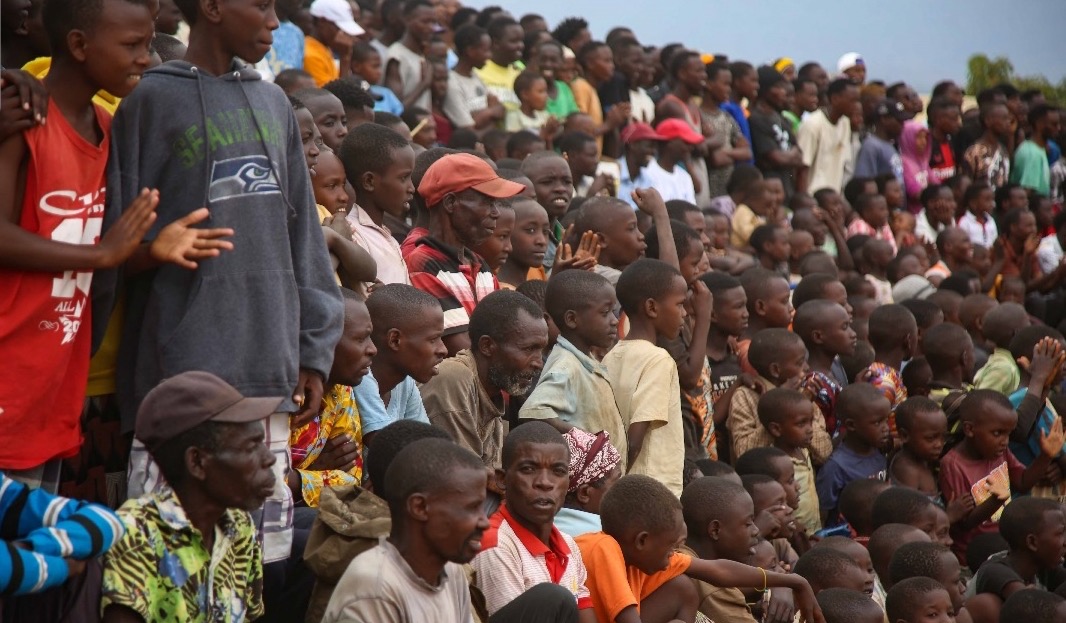
Our photo : Burundian and Congolese refugees gathered in the Mahama camp in eastern Rwanda, where authorities are currently conducting biometric enrollment for the issuance of a new digital identity card for citizens and refugees residing in the country
You might also like
Photo of the week-Tanzania : demolitions, overcrowding, and violations of the Geneva Convention: Burundian refugees forced to return
In the Nyarugusu and Nduta camps for Burundian refugees, located in the Kigoma region of northwestern Tanzania, the humanitarian situation is rapidly deteriorating. Thousands of refugees are crammed into overcrowded
Photo of the week- Burundi : forced deportations from Switzerland, tense returns, and accusations of persecution denounced by experts
The return to Burundi of several young people deported from Switzerland is raising concerns and questions among their families, in a context already marked by economic hardship and persistent social

Photo of the week-DRC : reported progress of Burundian troops towards Minembwe via Bibokoboko, in a context of clashes with M23 and Twirwaneho
A large contingent of Burundian soldiers was reported on Thursday in Bibokoboko, in the area of Mutambala, Fizi territory, in the province of South Kivu, east of the Democratic Republic