
World Refugee Day 2026 : between despair, pressure to return, and a protracted humanitarian crisis in the camps
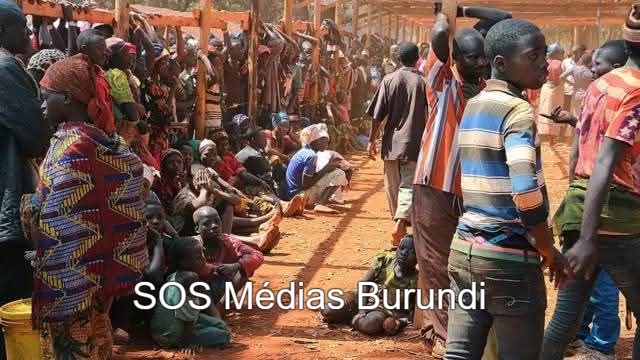
From Nyarugusu to Kakuma, via Mahama, Nakivale, Meheba, Lusenda, and the reception sites in Burundi, Burundian and Congolese refugees are experiencing a World Refugee Day marked by reduced humanitarian assistance, pressure to return home, and growing insecurity.
A commemoration under tension
Kigali, June 23, 2026 – The world celebrated the World Refugee Day on June 20, established by the United Nations to honor the courage of those forced to flee conflict and persecution. But on the ground, the 2026 edition highlights a much darker reality : overcrowded camps, dwindling funding, and increasingly restrictive migration policies in the Great Lakes region.
As the United Nations High Commissioner for Refugees (UNHCR) reiterates this year’s theme – “Until Everyone Is Safe” – many refugees feel this promise remains far from being fulfilled.
Tanzania : Nduta erased and Nyarugusu under pressure
The Nduta camp, once one of the main centers for Burundian refugees in Tanzania, is now closed. According to several accounts, this closure has been accompanied by the demolition of shelters, a ban on economic activities, and arrests targeting certain community leaders.
A former resident, now living in Nakivale, Uganda, describes the situation :
“Houses were destroyed or burned, businesses were banned, and some leaders disappeared.”
The flow of refugees has since dispersed to Uganda (Nakivale), Rwanda (Mahama), Kenya (Kakuma), and Zambia (Meheba).
In the Nyarugusu camp, the last major Tanzanian camp still active, the situation is critical. Announcements of its imminent closure are circulating, along with summonses to return.
“Please clear out by Thursday… Gitega awaits you with open arms,” a camp official reportedly said.
Humanitarian officials are also discussing the organization of convoys to Burundi.
Nakivale : fear, uncertainty, and new arrivals without assistance
In Uganda, the Nakivale camp is hosting new Burundian arrivals who fled the closure of Nduta. But conditions there remain difficult.
Awareness-raising meetings promoting voluntary return are multiplying, fueling a climate of fear.
“We keep being told that Burundi is stable and that we must go back,” laments a refugee.
Meanwhile, many new arrivals are receiving no assistance, some surviving by begging around the camp.
Zambia : a hunt for unregistered refugees
In Zambia, authorities report an increase in the number of Burundian refugees and announce control operations.
People considered “unregistered” are being urged to come forward or face police harassment, according to local authorities.
Kenya and Rwanda : survival under economic pressure
In Kenya (Kakuma) and Rwanda (Mahama), refugees are facing reduced food rations due to a lack of funding from the World Food Programme (WFP).
“Misery looms, but at least here there’s no threat of forced return,” a refugee in Mahama confides.
In both contexts, the decrease in humanitarian assistance is further weakening families already dependent on international aid.
DRC : Lusenda and Mulongwe plunged into a protracted food crisis
In eastern Democratic Republic of Congo, the Lusenda and Mulongwe camps are experiencing an acute humanitarian crisis. Burundian refugees say they have not received food assistance from the World Food Program (WFP) for nearly 18 months.
“We don’t even know if we’re still considered refugees,” laments Eric M., a refugee in the Lusenda camp.
In the Mulongwe camp, Mariya I., a mother, says she survives through farming :
“I rented a field where I grow beans, cassava, and corn. We have to fend for ourselves.”
In the camps, families now survive through small-scale farming, fishing, or odd jobs, in a context of extreme hardship.
According to UNHCR estimates, the Democratic Republic of Congo hosts approximately 46,000 Burundian refugees, mainly in camps in the eastern part of the country.
Burundi : living conditions deemed extremely critical
In sites located in the south, east, west, and northeast of Burundi, refugees are living in extremely critical conditions, marked by food insecurity and the deterioration of essential services, particularly those related to WFP assistance.
At the Kavumu camp in the east of the country, beneficiaries report frequent stockouts of medication and limited medical care, forcing some families to resort to private pharmacies to supplement their prescribed treatments.
Pascal*, a Congolese refugee living in Kavumu, testifies :
“The prescribed medications are not always available. Sometimes we are only given a few pills.”
His compatriot, uwizeye, adds :
“Medical transfers have become very difficult, and the sick wait a long time.”
In the Musenyi and Busuma camps, located in the southeast and east of the country, several thousand refugees still live in extremely precarious conditions, marked by overcrowding in community shelters, limited access to basic services, and intense humanitarian pressure.
In the Musasa camp, in the north of the country, the water shortage has become a major concern. For several months, residents have faced very limited access to drinking water, forcing them to travel long distances or buy water at high prices. This situation is exacerbating tensions between refugees and host communities around water supply points.
Jacqueline, a refugee in the Musasa camp, says :
“We’ve been without water for more than six months.”
A regional crisis fueled by a lack of funding
In all the countries concerned, one factor is recurring : the decline in humanitarian funding.” It leads to :
reduced food rations
lack of access to healthcare
suspension of medical transfers
deteriorating living conditions
increased dependence on external aid
Call from refugee rights organizations
Organizations such as CDH/CIVAR and the Refugee Rights Action Organization (RRAO) denounce a situation of neglect and political pressure.
They call in particular for :
an immediate halt to all forced returns
respect for the principle of non-refoulement
individual and fair asylum procedures
strengthened international monitoring
“The protection of refugees is a legal obligation, not a political choice,” reminds Libérât Ndayishimiye of RRAO.
A World Day of disillusionment
While some 253,000 Burundian refugees remain in exile in various countries of the Great Lakes region and beyond, living conditions in the camps continue to deteriorate, against a backdrop of reduced humanitarian assistance and increasing pressure to return.
In this already fragile regional landscape, more than 11,000 Burundian refugees also live in the Dzaleka camp in Malawi, a camp also facing overcrowding and growing insecurity.
“As long as we cannot return safely, we are not free,” sums up a refugee in the DRC.
You might also like
Rumonge : trafficking of young girls in Kigwena
At least five girls have been victims of this “trafficking” since the beginning of this year in the Kigwena zone of the Rumonge district and province (southwest Burundi). The parents
Tanzania: Burundian refugees plead for a better year
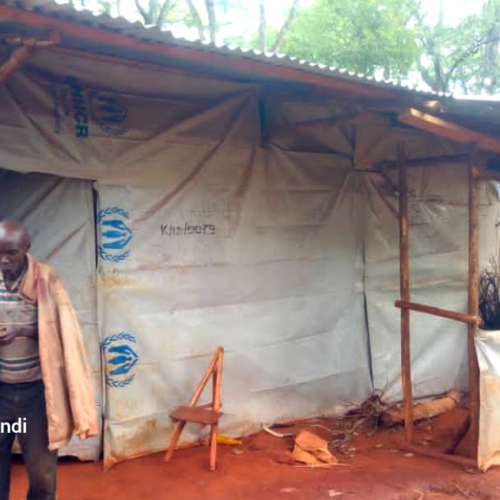
In 2022, Burundian refugees settled in the Nyarugusu and Nduta camps say they have experienced several difficulties and been victims of several violations. They ask the UNHCR, Tanzanian authorities and

Uvira : Burundi and the DRC want to ease procedures for cross-border traders
The two neighbors in the Great Lakes region of Africa have launched a program aimed at reducing procedures imposed on cross-border traders. It is a program supported by the Common