Burundi : the CNIDH considers itself independent despite the doubts of human rights organizations
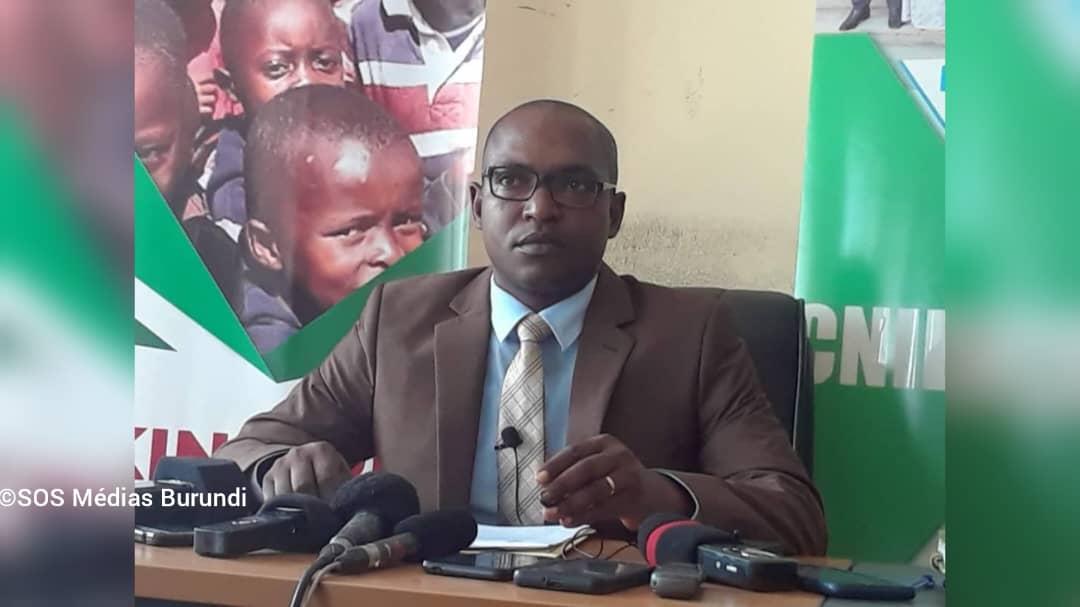
At the beginning of November, Human Rights Watch and IDHB (Initiative for Human Rights in Burundi) released a joint communication on the Independent National Commission for Human Rights in Burundi, the CNIDH. Both organizations accuse the Burundian commission of lack of independence. The statement addressed to the Global Alliance of National Human Rights Institutions expresses serious concerns about the lack of independence of the CNIDH and recommends that the Accreditation Subcommittee reconsider its A status. But the chairperson of the CNIDH, Sixte Vigny Nimuraba, believes that his commission deserves A status. INFO SOS Médias Burundi
According to both organizations, the CNIDH produces reports that ignore human rights violations committed for political reasons.
“Even if from the outside the CNIDH may seem collaborative and reactive to certain audiences, it demonstrates a lack of independence and a close relationship with the Burundian government, particularly in its public positions. Its main publications are annual reports and in annual reports, human rights violations committed for political reasons are generally undervalued or even ignored to give more space to less controversial issues”, Clémentine de Montjoye, researcher in the Africa Division of Human Rights Watch, told SOS Médias Burundi.
And she added, “it is not only our organizations which express these concerns, the United Nations special rapporteur on the situation of human rights in Burundi also noted in his report of August this year that the CNIDH reports tended to obscure issues of political sensitivity and that it selectively followed up cases of human rights violations to ignore violations with political connotations.
Lack of means ?
It’s not a question of lack of resources. The CNIDH chose to align itself behind the government. That’s why it always tries to paint a positive picture of the situation. For example, the 2021 CNIDH report states: “The President of the Republic is perceived as a true defender of human rights. “Is this really the type of comment we expect from a so-called independent commission?”, asks Carina Tertsakian, associate researcher at the Initiative for Human Rights in Burundi.
Even if the CNIDH works on certain cases, it mainly focuses on less controversial issues. This is seen not only in his reports but also in the remarks of the president of the CNIDH. For example, in his statement to the UN Human Rights Council on July 6, he said that the political situation was “satisfactory” and that “political parties have been functioning normally.” However, a month earlier, the Minister of the Interior had just suspended the activities of the opposition party the CNL, she continues.
Demotion
“We ask the Subcommittee responsible for the accreditation of national human rights institutions to re-evaluate its A status, and to do so before the review scheduled for 2026. In our opinion, the CNIDH does not fulfill the independence criteria contained in the so-called Paris Principles (the principles concerning the status of national human rights institutions). We must act quickly to remedy these failings so that the CNIDH can truly play its role of independent institution working for the protection of human rights in Burundi”, warns Carina Tertsakian.
Difficult context
The political context is delicate, it’s true. But the CNIDH has a duty to make a minimum of effort to investigate serious violations and denounce them objectively and independently. Its credibility depends on it. What is striking is that it does not even speak out on certain well-known issues, for example the arbitrary detention of Dr Christophe Sahabo, former director of Kira hospital. The political context does not excuse its silence on such issues. It also does not justify the way in which the CNIDH minimizes the extent and seriousness of cases of torture in the National Intelligence Service or the impunity which continues to protect the perpetrators of these crimes, analyzes the researcher associated with the IDHB.
The CNIDH defends itself
For us, the main thing is that we are aware that we are doing the work we are supposed to do. So, there will always be criticism, but the main thing is that we see that most of the population that we are called to serve understands the efforts and the impact that we have on the ground, replied Sixte Vigny. Nimuraba, chairperson of the CNIDH.
“All over the world there is freedom of expression, anyone can express themselves freely about what they think, but the main thing is that there are always bodies that will carry out investigations to determine whether the work we are doing is work that deserves demotion or deserves A status”, finds Mr. Nimuraba.
And he continued, “the CNIDH is one of the first institutions which do commendable work, the evidence is that Burundi now represents since this month the countries of East Africa at the level of the network of national human rights associations in Africa. So we cannot be elected to represent other institutions if we do not recognize the efforts made for the promotion and protection of human rights. You have seen that there are quite a few commissions that came to Burundi for the exchange of experience. Do they come because there is nothing to learn? Moreover, even in Geneva I inform you that Burundi is one of the institutions which are much more present to present reports, whether thematic or circumstantial.
For the head of the Burundian commission, all this is evidence which shows that the work we are doing is work which is independent and which does not deserve demotion to B status.
But for Tertsakian, the world should take notice.
“We want to draw attention to the failings of the CNIDH and put pressure on it to improve its work. This is why we are asking for a re-evaluation of its A status. The CNIDH must understand that there are standards and criteria that it must meet. The Burundian population needs a strong and courageous independent institution to defend their rights. The CNIDH was created for this. If the will is there, it still has the possibility of playing “Of course, the Burundian government must also allow it to work independently and give it the freedom to carry out its mandate”, she concluded in an exclusive interview with SOS Médias Burundi.
The Burundian public body was downgraded in 2018 due to lack of independence in the face of serious human rights violations, before regaining A status in June 2021.
You might also like
Tanzania : Nduta camp forcibly emptyed, Burundian refugees expelled amid violence and silence
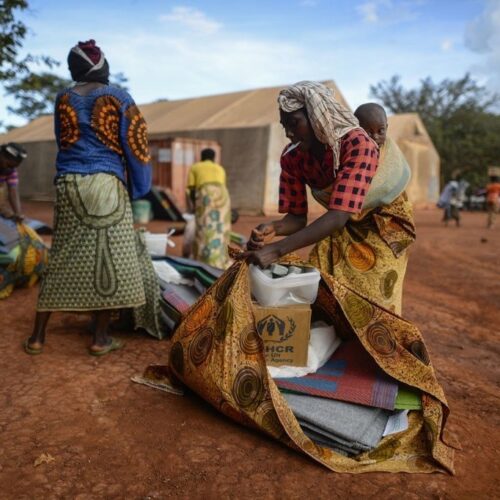
SOS Médias Burundi Kigoma, April 27, 2026 — In the Nduta camp, located in the Kigoma region of northwestern Tanzania, thousands of Burundian refugees are denouncing forced expulsions carried out
Rwanda-Genocide: time for the fight against the genocide denial
Beginning this Friday of the national mourning week for the 29th commemoration of the Genocide against the Tutsi in 1994. The moment for Rwanda and the UN to fight against

Burundi: 5 women’s organizations ask President Ndayishimiye to free eight activists, including six women
Five Burundian women’s organizations in exile demanded the Burundian president to release human rights defenders. In their letter, they say the persons concerned are illegally detained in reference to United