Photo of the week : Education in danger in Burundi : French, a major obstacle to quality education
The Burundian education system continues to face serious challenges, including insufficient proficiency in French, the official language of instruction, which appears to be a major obstacle to learning. This issue was highlighted by the Minister of National Education, François Havyarimana, during the presentation of the report on the achievements of the past school year.
The Minister indicated that Burundi recently participated in a large-scale international assessment of the quality of education, conducted in some twenty French-speaking countries. This assessment aimed to identify the main obstacles to quality education. One of the report’s major findings : a large majority of pupils, and even some teachers, do not have sufficient proficiency in French, which compromises the understanding of content in several disciplines.
“It is urgent to recognize that insufficient proficiency in French profoundly affects academic performance,” stressed François Havyarimana, emphasizing the seriousness of this shortcoming in a system where French remains the official language of instruction.
According to education union leaders, this situation is not new. They attribute the decline of the French language in part to the significant reduction in the number of hours devoted to teaching it. For them, it is now crucial to rearrange school schedules to restore French to its place, particularly in a country where this language remains an essential vector of academic and professional communication.
Measures in preparation
To address these difficulties, the government has formed a technical team tasked with conducting an in-depth analysis of the national education system. The report produced by this team was enhanced during a workshop bringing together teachers, parents, unions, and administration officials, the minister explained.
The document, now submitted to the Council of Ministers, proposes several adjustments, including ongoing teacher training and strengthening the language skills of future teachers during their initial training.
Beyond language difficulties, the report also notes the failure to meet the required learning time. The actual duration of classes remains below international teaching standards, which hinders knowledge assimilation.
The ministry therefore plans to extend teaching time and revise school curricula to update content, adapt it to current realities, and strengthen skills in areas deemed strategic for the country’s socio-economic development.
Minister François Havyarimana assured that all these proposals will be seriously examined to implement sustainable and effective solutions.
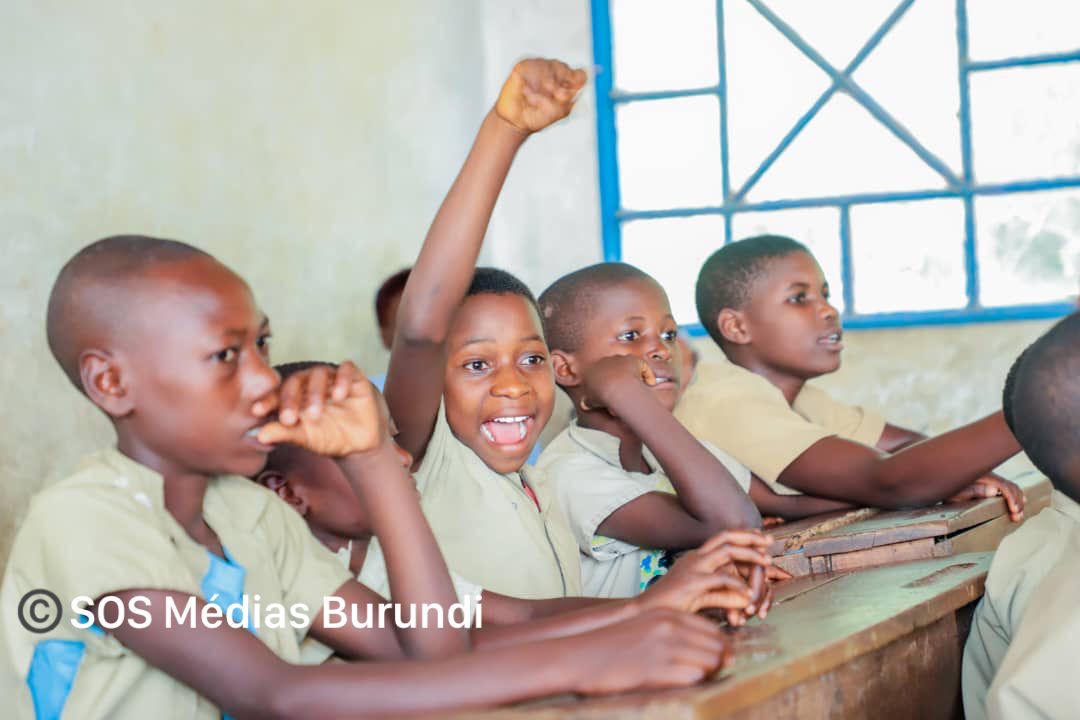
Our photo : a pupil raises her hand to answer a question in a classroom in Burundi. The Minister of National Education, François Havyarimana, declared that insufficient mastery of French constitutes a major obstacle to the quality of education in the country (SOS Médias Burundi)
You might also like
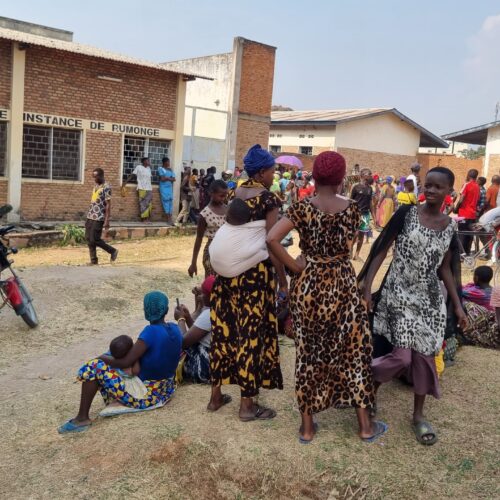
Rumonge : power outages and suspicions of corruption at Regideso
SOS Médias Burundi Rumonge, September 14, 2025 – In Rumonge, the power has gone out. In this port city located in southwestern Burundi, residents have been experiencing long power outages
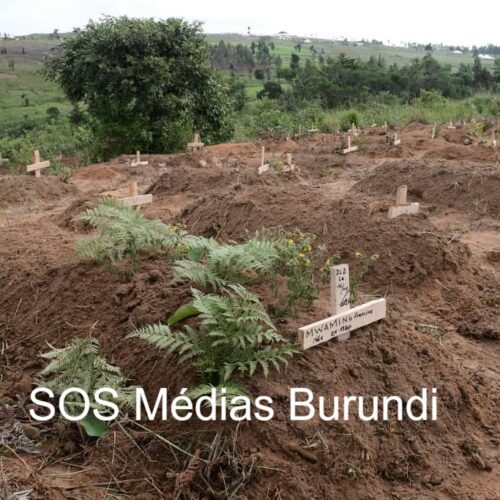
Photo of the week-Buhumuza : Busuma camp in shock, hundreds of Congolese refugees die in undignified conditions
Since December 2025, more than 300 Congolese refugees, including many children and the elderly, have died in the Busuma camp in Buhumuza province, eastern Burundi, due to extremely precarious living

Photo of the week-Nakivale : the thirst grips the camp, refugees travel miles in search of water
In the Nakivale refugee camp, located in southwestern Uganda, access to drinking water has become a critical challenge. For more than three months, the public taps, springs, and fountains installed