
Burundi – Cibitoke : farmers evicted under pretext of links to the M23
SOS Médias Burundi
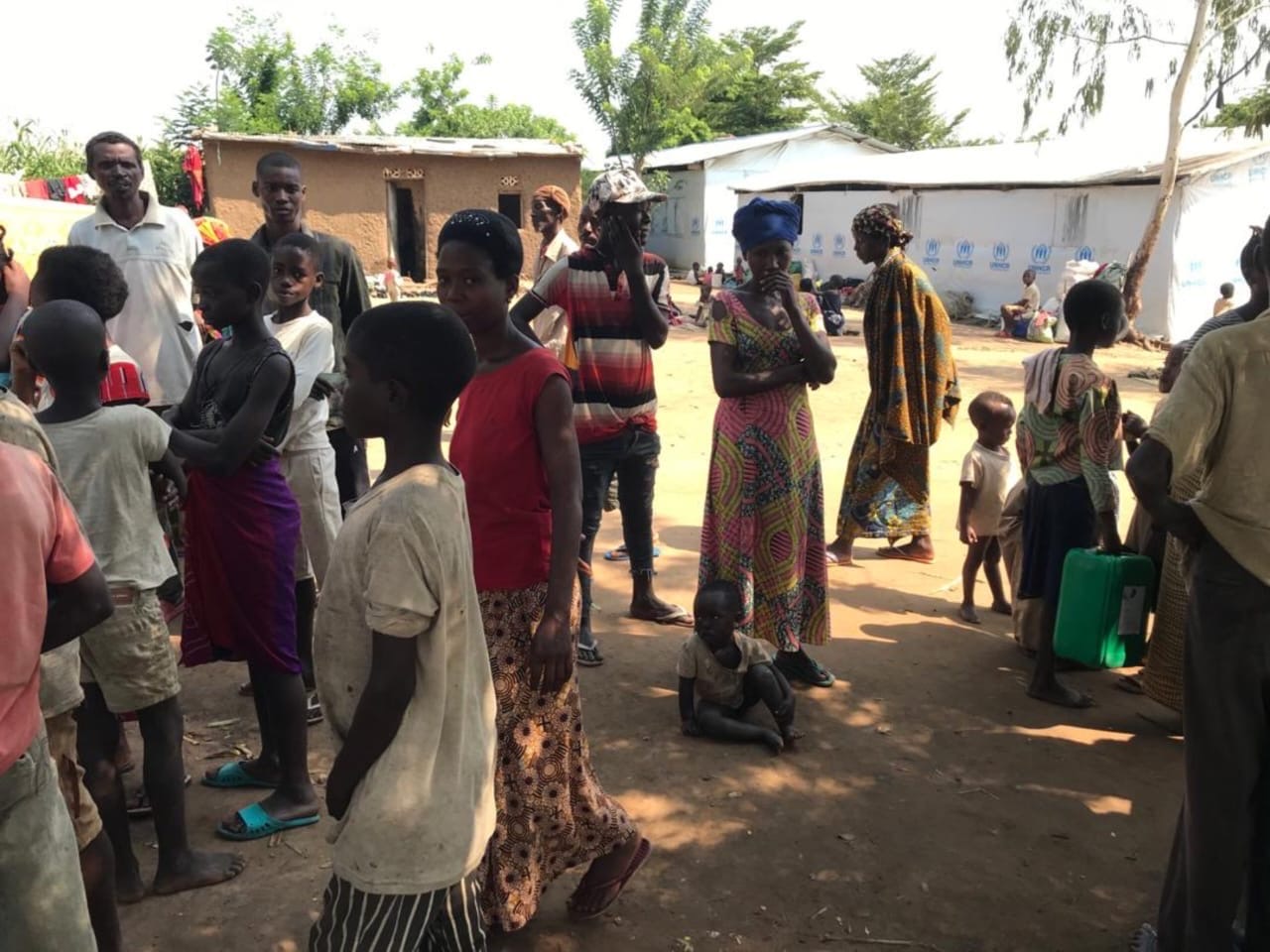
Cibitoke, October 1, 2025 – Since September 21, more than a hundred farming families from the Kaboya and Mbaza sub-villages, Rukana village, in the Rugombo zone, Cibitoke district in western Burundi, have been evicted from their land. Their makeshift shelters, built to guard their fields, were destroyed by the Imbonerakure, members of the youth league of the CNDD-FDD, the ruling party. The operation sowed panic and caused serious concern, with farmers denouncing a scheme aimed at depriving them of their ripe crops.
M23-linked accusations
According to several farmers, it all started with the interception of people, including Imbonerakure, en route to the DRC with goods. The farmers were accused of colluding with the M23 rebellion, which the authorities suspect of receiving food supplies from them. These accusations are described as a “pretext” by those involved, who believe it is a strategy to drive them from these fertile lands.
An operation carried out with the support of local authorities
Local sources claim that the evictions were carried out with the complicity of certain administration officials, including the administrator of Cibitoke district, supported by the Imbonerakure. The farmers point out that they have been farming these fields for over half a century, inheriting them from their ancestors, and denounce a “flagrant injustice.”
The official version
Contacted, the district administrator, Éloge Najeneza, confirmed the eviction. He justified this measure by the presence of armed gangs from the DRC who allegedly threaten the security of the population. “The security measures taken are irreversible,” he declared, warning residents against any attempt to return under penalty of sanctions.
Landless and worried families
Nearly 100 families, representing approximately 80 hectares of crops, have been abandoned. Farmers fear permanently losing the land they inherited from their grandparents. They compare their situation to that of the Mbaza-Miduha marsh in the same province, where more than 400 people were evicted from over 1,200 hectares a few years ago.
Regional context
These accusations of collusion with the M23, used as justification for the evictions, are part of a regional climate marked by the ongoing conflict in eastern DRC.
The M23 is a former Tutsi rebel group that took up arms again in late 2021, accusing the Congolese authorities of failing to honor their reintegration commitments. Its rebels, affiliated with the Congo River Alliance (AFC), a politico-military movement hostile to Kinshasa, have controlled several strategic mineral-rich areas, as well as the provincial capitals of North and South Kivu since the beginning of the year. Congolese authorities accuse Rwanda of supporting these rebels, a charge Kigali formally denies. For its part, Burundi has deployed approximately 10,000 soldiers to eastern Congo to fight alongside the FARDC, the loyalist army, and the Wazalendo militias supported by Kinshasa.
You might also like
Makamba : three men including a school principal in detention for rape of minors
Three men are detained by the police in Makamba province (southern Burundi). Among them, the director of the basic school of Kigongo. The three men are accused of sexual rape

Kayanza : a new call to “kill” launched by Révérien Ndikuriyo
The secretary general of the CNDD-FDD party, Révérien Ndikuriyo, urges members of this party to eliminate those he calls “wolves” to leave the “sheep”. Residents of Kabarore district, Kayanza province

Rumonge: a loincloth seller killed by police officers
Belyse Nimpagaritse died at dawn on October 15, 2024 at the Rumonge hospital (southwest Burundi). Suspected of illegally selling loincloths, she was beaten by PNB (Burundi National Police) officers before