Musenyi : refugee traders demand freedom of movement to survive
SOS Médias Burundi
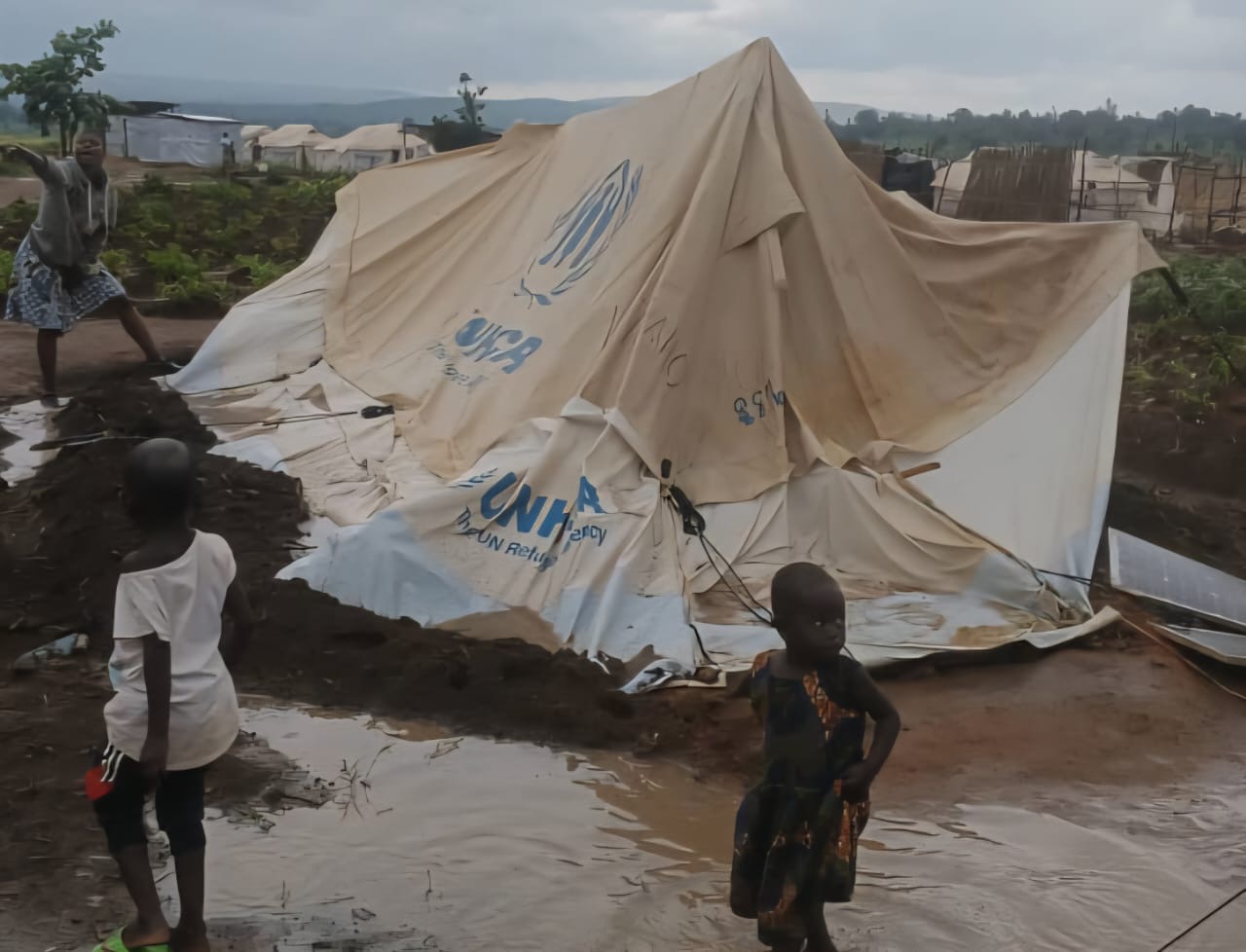
Musenyi, May 4, 2026 — In the Musenyi refugee camp, located in Musongati district in Burunga province, southeastern Burundi, the issue of freedom of movement has become a major concern for the economic survival of the inhabitants. This camp hosts nearly 22,000 Congolese refugees, many of whom depend on small-scale trade to supplement humanitarian aid, which has become insufficient in the face of the rising cost of living.
To leave the camp, refugees must obtain an exit permit issued by the administration. However, according to several testimonies gathered on site, access to this document remains difficult due to the high number of applications and long waiting times. Some refugees say they have to wait several days before receiving permission to move.
This situation particularly affects traders in the camp, who regularly purchase goods from the markets of Rubaho, Makamba, Rumonge, Bujumbura, and Gitega.
“I spent two days trying to get an exit permit to go buy goods in Rumonge,” says Imani, a refugee trader. “I finally obtained it with difficulty, but I had already missed several business opportunities. We are encouraged to become self-reliant, but without freedom of movement, it becomes almost impossible.”
The refugee also mentions increasingly precarious living conditions. “The 30,000 Burundi francs distributed per person are no longer enough. Prices are constantly rising, and many families survive thanks to trade. Without freedom of movement, we can neither work nor properly feed our families,” he explains.
These demands come amid a tense security situation. In recent days, several Congolese refugees have reportedly been arrested after attempting to leave the camp without authorization. Barriers have also been erected on some villages surrounding the site. According to residents, some of these checkpoints are manned by members of the Imbonerakure, the youth league affiliated with the ruling CNDD-FDD party.
The site administration, however, justifies these restrictions by citing security and organizational imperatives. An administrative source points out that, even though Burundian law recognizes the freedom of movement of refugees within their host community, certain limitations can be applied depending on the context.
“We have defined movement limits for security and management reasons. Any refugee wishing to leave must obtain a permit from the administration. There are many requests, and everyone has to be patient,” explains this source.
A few easing measures have nevertheless been introduced recently. Since this month, refugees have been allowed to go to the weekly market in Rubaho every Wednesday without a permit. A measure deemed insufficient by many traders in the camp.
They are calling for a broader reform of the exit permit system or authorization for free movement throughout Burunga province to facilitate their economic activities.
However, the problem extends beyond the Musenyi site. In the Bwagiriza and Kavumu camps, located in eastern Burundi, refugees are also denouncing similar restrictions. According to several accounts, some applicants for exit permits are required to leave their SCOPE card as collateral, a card used for food distributions by the World Food Program (WFP).
The SCOPE system is an electronic assistance card introduced by the WFP and the United Nations High Commissioner for Refugees (UNHCR) for Congolese refugees living in Burundi. This system allows beneficiaries to purchase food in the camps and aims to secure distributions while facilitating humanitarian assistance for thousands of refugees.
The refugees believe, however, that the requirement to leave this card as collateral exposes them to the risk of missing food distributions if their return to the camps is delayed.
Faced with this situation, many refugees are calling on the Burundian authorities, the National Office for the Protection of Refugees and Stateless Persons (ONPRA), and the UNHCR to ease movement restrictions. They believe that greater mobility is essential to promote their economic empowerment and sustainably improve their living conditions.
You might also like
Nduta (Tanzania) : a woman raped
A Burundian woman refugee at the Nduta camp in Tanzania was raped by three men. According to the victim, her rapists spoke Igiha, a Tanzanian dialect. She is undergoing intensive
Dzaleka (Malawi) : two Burundian refugees with their throats slit
The victims were found dead not far from the Dzaleka camp in Malawi last weekend. The police announced that they had begun investigations. INFO SOS Médias Burundi On Saturday, the


Zambia : nearly 30 Burundians detained for illegal immigration
Zambian police say they have arrested 29 Burundians for illegal immigration. They went through Tanzania and wanted to reach South Africa. Activists cry out against human trafficking and ask Burundian