
Burundi : the SIM card re-registration turns into chaos for thousands of subscribers
SOS Médias Burundi
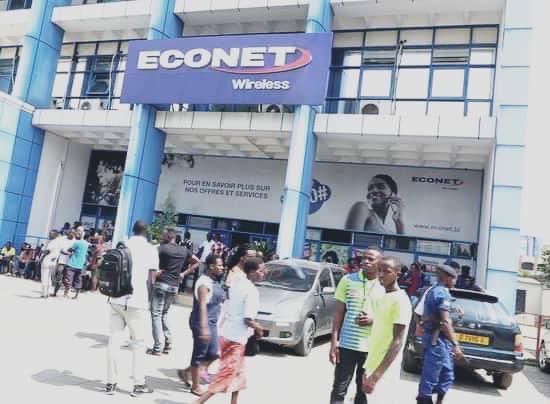
Bujumbura, July 4, 2026 — Despite the official deadline of June 25, the mandatory re-registration of SIM cards continues in Burundi. Mobile phone operators’ offices remain overwhelmed, causing long lines, service disruptions, and widespread subscriber dissatisfaction. While the lines were not ultimately deactivated on the announced date, many users are denouncing a poorly planned operation.
Launched by the Telecommunications Regulatory and Control Agency (ARCT), this national re-registration campaign aims, according to the authorities, to strengthen communications security, better identify SIM card holders, and clean up the telecommunications sector.
In a press release published on June 3, 2026, the Regulatory Authority for Telecommunications (ARCT) requested that all mobile phone operators and SIM card holders re-register their lines. This decision was based on a ministerial order signed on January 13, 2026, making this formality mandatory for all mobile phone service users in Burundi.
As the June 25 deadline approached, operators increased reminder messages via SMS, warning that unregistered SIM cards risked being deactivated. These notifications triggered a massive influx of people to the branches of Viettel Burundi and Econet Leo, the country’s two main operators.
In several provinces, hundreds of people arrive every morning, sometimes before the offices even open. The lines stretch for several hours, and some subscribers claim to spend an entire day outside a branch without being able to complete the registration process.
“I arrived before six in the morning,” said a user. “When the agency closed, I still hadn’t been seen. I went home without being able to re-register my card,” says a resident of Bujumbura, Burundi’s commercial capital, where the United Nations agencies and the central government are concentrated.
Beyond the wait, several subscribers report temporary interruptions to their communication services during the process. For traders, drivers, vendors using mobile financial services, and many self-employed workers, these outages complicate daily operations and sometimes lead to lost income.
Taking advantage of the high volume of customers, agents have set up shop near the agencies. For a fee, they offer to handle the paperwork for customers or expedite their journey through the queues. This practice raises many questions and fuels a sense of injustice among some subscribers.
The difficulties also extend to the required documents. The national identity card is the only document accepted for re-registration. When the photograph, inscriptions, or other information are deemed illegible, agents ask subscribers to obtain a new national identity card.
For many citizens, this requirement represents an additional obstacle. Several claim that it has become difficult to obtain a new national identity card quickly, particularly since the implementation of the new administrative division, which reduced the number of provinces from 18 to 5 and the number of districts from 119 to 42. This reform has led to a reorganization of administrative services and lengthened the processing times for certain official documents.
Faced with numerous complaints, the Director General of ARCT, Samuel Muhizi, announced that the operation would continue beyond the June 25, 2026 deadline. He also asked operators not to deactivate the SIM cards of subscribers who have not yet completed this formality.
While this decision reassured some users, many believe it does not resolve the underlying problems. They are calling on the authorities and operators to increase staffing, open more re-registration centers, and improve organization to reduce waiting times.
Presented as an essential step to strengthen communications security and better regulate the telecommunications sector, this campaign primarily highlights the limitations of operators’ capacity to handle such a large-scale mobilization.
For many subscribers, the principle of re-registration is not contested. They hope, however, that this experience will serve as a lesson so that future operations are better prepared, with smoother procedures, sufficient resources, and timeframes better suited to the realities on the ground.
You might also like

Kirundo : meeting between Burundian and Rwandan intelligence, a hope for the reopening of borders
Burundian and Rwandan civil and military intelligence met on Monday in the town center of Kirundo province (northern Burundi), not far from the eastern border of Rwanda. This meeting, which

Burundi : basketball fans inconsolable after the disqualification of the Dynamo team from the Basketball Africa League
The Dynamo team arrived in Bujumbura on Thursday early in the afternoon. The basketball players of the Dynamo team encountered enormous difficulties. And that’s the least we can say. They

Burundi : miserable salaries starve civil servants and paralyze the country
SOS Médias Burundi Bujumbura, October 24, 2025 — In Burundi, exhausted and underpaid civil servants are denouncing derisory salaries that prevent them from meeting basic needs, weakening public services and