Burundi : NGOs accuse authorities of allowing torture to continue with impunity
SOS Médias Burundi
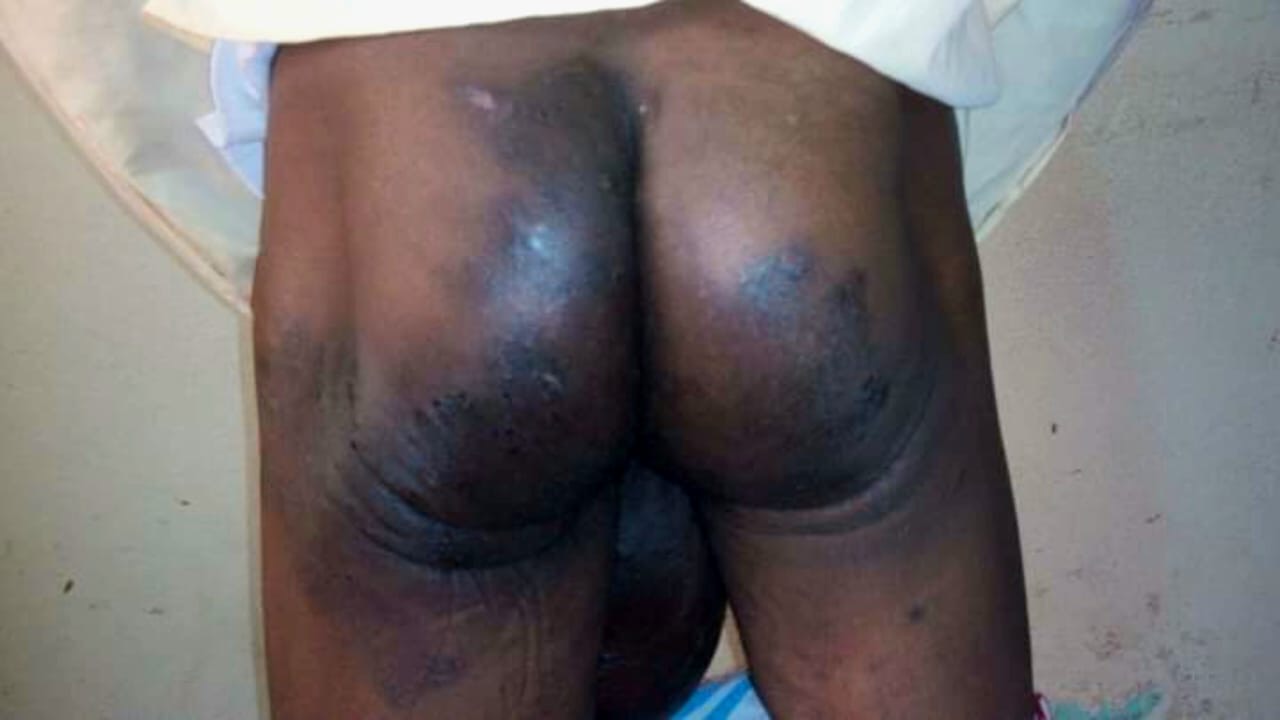
Bujumbura, June 27, 2026 – Celebrated every June 26, the United Nations International Day in Support of Victims of Torture was marked this year by a joint statement from several Burundian human rights organizations and their international partners. The signatories accuse the Burundian authorities of failing to end the practice of torture and of allowing a climate of impunity to persist, while calling for independent investigations, prosecutions, and full reparations for survivors.
In their statement entitled “Justice for Torture Survivors in Burundi : Challenges and Prospects,” Action by Christians for the Abolition of Torture in Burundi (ACAT-Burundi), Gla-Juris, the Inamahoro Movement, the Collective of Lawyers for the Defense of Victims of Crimes Under International Law Committed in Burundi (CAVIB), and SOS-Torture/Burundi, with the support of the International Federation of ACATs (FIACAT), the World Organisation Against Torture (OMCT), and the Center for Civil and Political Rights (CCPR Centre), affirm that torture remains one of the most serious and persistent human rights violations in the small East African nation.
The organizations reiterate that, despite Burundi’s ratification of the UN Convention against Torture, the International Covenant on Civil and Political Rights, and other international human rights instruments, their investigations continue to regularly document cases of torture and ill-treatment, illustrating, in their view, the inadequacy of the measures taken by the State to prevent, prosecute, and punish these acts.
According to the signatories, since the 2015 crisis, triggered by the controversial third term of the late President Pierre Nkurunziza, hundreds of alleged cases of torture have been recorded. These cases implicate, in particular, members of the defense and security forces, the National Intelligence Service (SNR), as well as members of the CNDD-FDD youth wing, the Imbonerakure.
The organizations denounce the fact that the recommendations repeatedly issued by the UN Human Rights Committee and the UN Committee against Torture remain largely ignored. They also regret that the decisions of the African Commission on Human and Peoples’ Rights (ACHPR) have still not been implemented. According to them, this lack of cooperation with international mechanisms prevents independent investigations and contributes to maintaining impunity for the alleged perpetrators of these violations.
The statement indicates that the main victims remain political opponents, real or perceived, human rights defenders, journalists, independent civil society actors, as well as women and young people, the latter being particularly vulnerable to various forms of physical and psychological violence constituting acts of torture.
The organizations also emphasize that survivors remain deprived of effective remedies. Many receive neither compensation, nor medical or psychological rehabilitation, nor official recognition of the harm suffered, in contradiction with Burundi’s international commitments. They reiterate that international mechanisms remain, for many victims, one of the few remaining accessible avenues of recourse.
Beyond physical suffering, the signatories highlight the profound psychological trauma, permanent disabilities, economic hardship, and social stigma faced by many survivors. They argue that the lack of independent investigations, effective prosecutions, and convictions of those responsible fosters the repetition of violations and undermines any prospect of preventing their recurrence.
On this International Day, the organizations held an international webinar dedicated to the challenges of combating impunity, the non-implementation of decisions by international mechanisms, and the avenues of recourse still available to survivors.
In their recommendations, they call on the Burundian authorities to immediately end acts of torture and ill-treatment, implement the recommendations of the United Nations and the African Commission on Human and Peoples’ Rights, open independent, impartial, and effective investigations, prosecute those responsible regardless of their position or status, establish comprehensive reparations mechanisms for survivors, and ensure the protection of victims, witnesses, legal professionals, and human rights defenders.
The organizations also call on the international community to maintain and intensify diplomatic pressure on Burundi to ensure its full compliance with its international commitments, to strengthen technical and financial support for organizations assisting survivors, and to continue rigorously monitoring the human rights situation in the country.
“Justice is not a favor granted to victims, but a binding legal obligation of the State,” the organizations concluded. They believe that without truth, accountability, and reparations, no lasting reconciliation can be envisioned in Burundi.
At the time of publication, the Burundian authorities had not yet responded to this statement. On several occasions in the past, the Burundian government, as well as officials of the CNDD-FDD, the former Hutu rebellion in power since 2005 following the Arusha Agreement of August 2000, have rejected reports of human rights violations. They regularly accuse the authors of being organizations “in the pay of the colonizer” or “enemies of the nation.” Most of the Burundian organizations that signed this declaration are now in exile or continue their activities from abroad, having been forced to leave the country following the 2015 crisis.
You might also like
South Kivu : the M23 offensive and pro-government drones shake the entire eastern Congo
SOS Médias Burundi Bukavu, November 21, 2025 – As drones attributed to the FARDC and the Burundian army strike Mikenge and Rwisankuku, the M23 and its allies continue their spectacular
Burundi : launch of voluntary repatriation of Congolese refugees, several areas of South Kivu excluded
SOS Médias Burundi Muyinga, March 13, 2026 — The government of Burundi, in collaboration with the government of the Democratic Republic of Congo and the United Nations High Commissioner for

Gitega : a father and son arrested for murder in Burunga, the population demands justice
SOS Médias Burundi Gitega, December 30, 2025 – Two people, Jean Marie Ndikuriyo and his son Bienvenu Bikorimana, are currently held in the Gitega police station in the political capital,