Kayanza: the Rukago market without lavatories
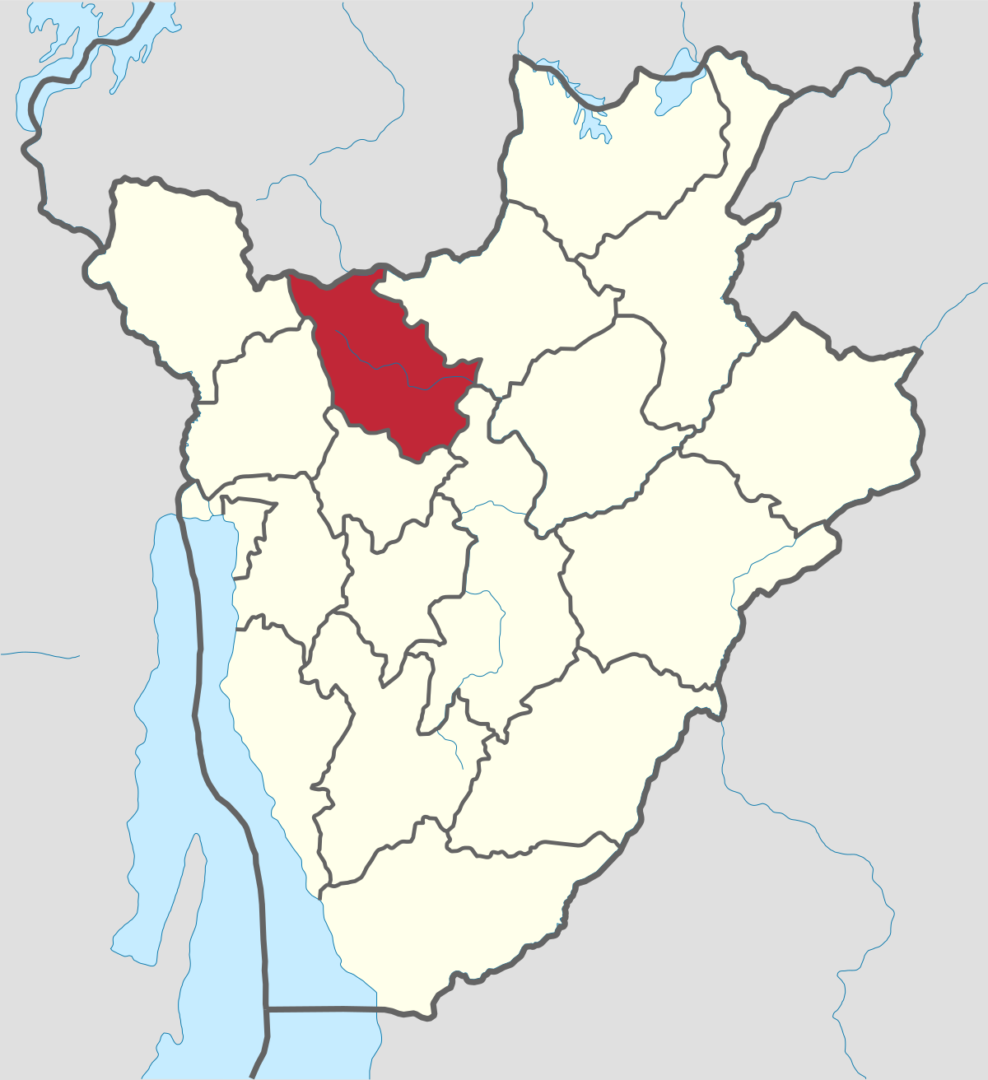
Users of the Rukago market say they do not understand why this trading center does not have toilets, asking the Gahombo commune administration, province of Kayanza (North of the country) to build them. Figures from an association in charge of community health issues say only 28% of Burundians possess adequate toilets. INFO SOS Médias Burundi
However, traders have paid the fees for the construction of latrines, into the communal coffers.
“To relieve ourselves, we are forced to go to surrounding households. We are afraid of infection from diseases of dirty hands,” traders said.
The communal administrator of Gahombo promises that this question will find a solution. The authority asks those concerned to make better use of the latrines, once built.
The ASCO association in charge of community health issues points out that it is not only the commune of Gahombo that lacks toilet facilities.
Théophile Ndayisenga, president of the association, reports that only 28% of Burundians have access to a toilet that meets the required standards. He also adds that it causes certain diseases related to dirty hands especially in women and children. He asks the government to multiply public latrines.
Kayanza province is the most overpopulated in Burundi.
You might also like
Butanyerera : a mysterious illness affects over 500 pupils
SOS Médias Burundi Kayanza, January 25, 2026 – For nearly a week, an illness of unknown origin, with flu-like symptoms, has affected more than 500 pupils in several secondary schools
Makamba : the morgue of the provincial hospital has been down for almost a year
According to bereaved families and staff at the Makamba hospital (southern Burundi), the morgue at the provincial hospital has been out of order for almost a year. Some families lament

Musasa : a refugee camp without water for six months, the humanitarian crisis worsens
SOS Médias Burundi Kiremba, June 11, 2026 – The humanitarian situation is becoming increasingly worrying in the Musasa refugee camp, in Kiremba district, Butanyerera province, northern Burundi, where more than