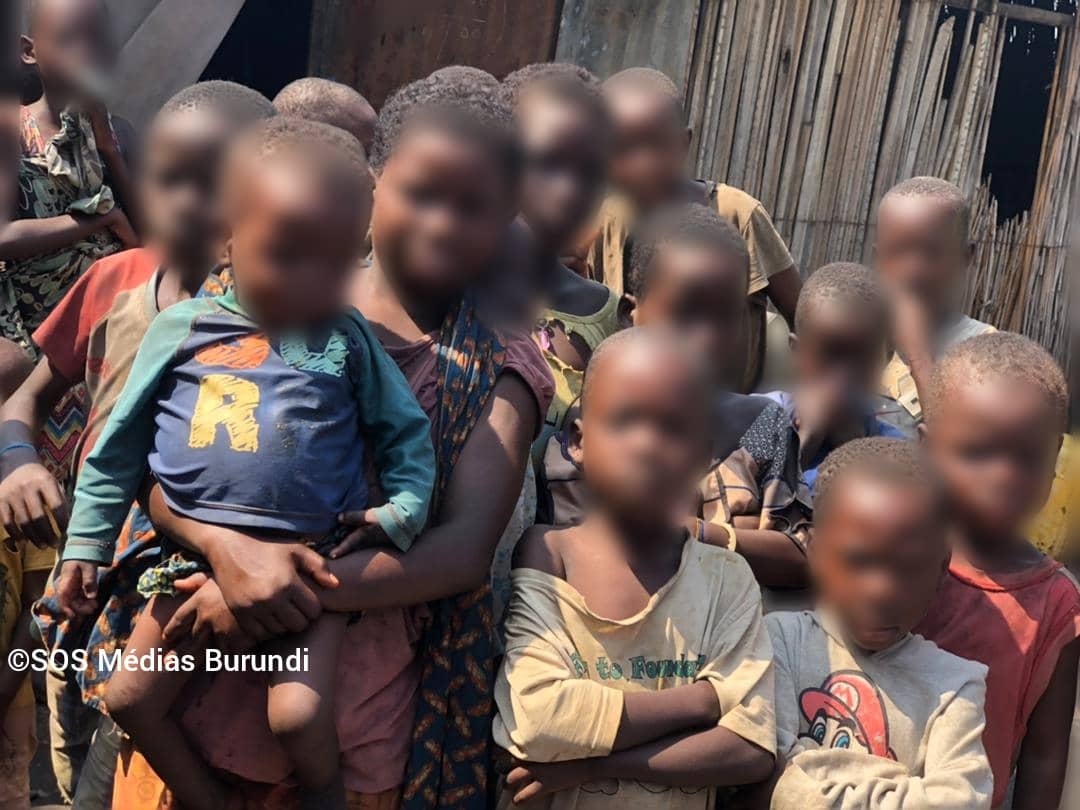
Uvira : children of Burundians living in transit sites exposed to several risks
Most Burundian families live in these sites for more than a year. This is the same time their school-aged children have just spent at home. They engage in begging in particular.
INFO SOS Médias Burundi
The concerned transit camps are based in Kavimvira, Sange and Mongemonge, in the South Kivu province in the east of the Democratic Republic of Congo. Parents speak of a big delay for their children of school age. Uninjured, the minors choose to leave the camps and go begging in the towns of Baraka and Uvira as well as in the center of Sange.
“In the evening as well as during the day, boys and girls beg in the street, others go to restaurants or knock on each house, looking for food,” noted an SOS Médias Burundi reporter.
Enock.N (10 years old) has just spent a year in an asylum seeker center. SOS Médias Burundi met this boy from the province of Cibitoke in northwest Burundi in the company of around thirty other children begging. They ask for alms from any passer-by, any motorist or motorcyclist.
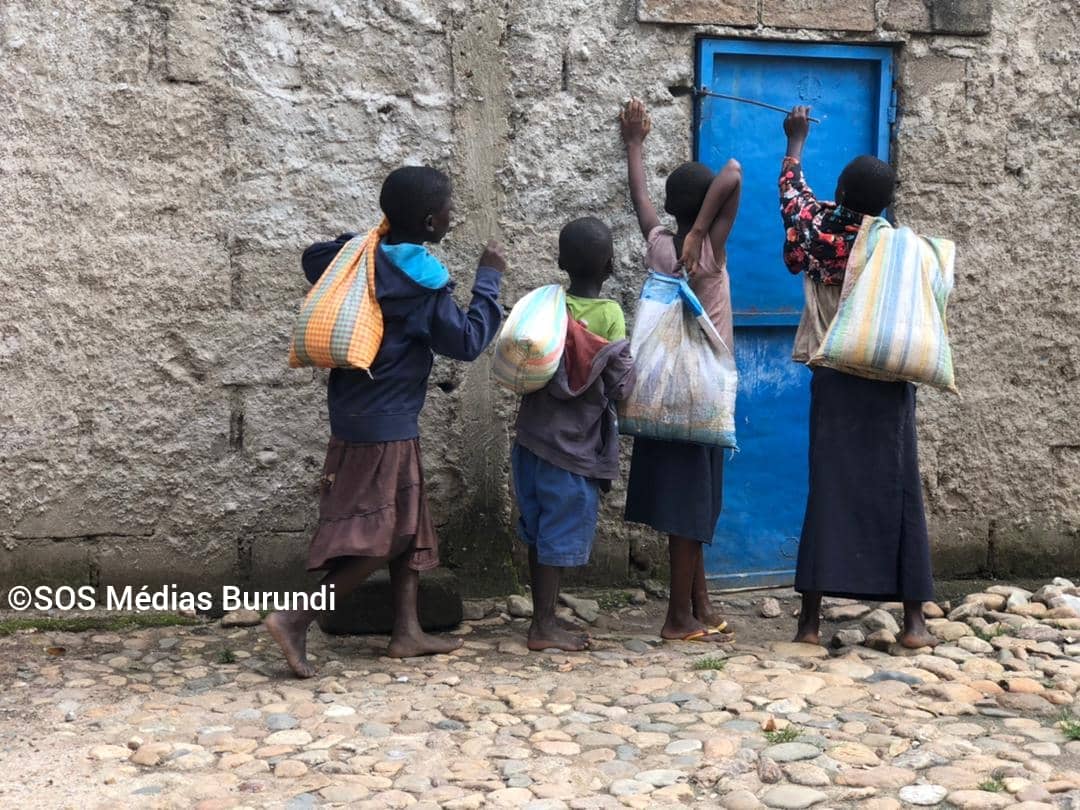
Children from Burundian asylum seeker transit camps beg in a household in Uvira, June 2024
Young older people like Yves Ndayizeye, a native of the Nyanza-Lac district in Makamba province (southern Burundi), for their part, prefer to get hired by the local community to earn a living. Young Ndayizeye is employed by an association which has launched into the extraction of rubble and sand.
“It helps me not be dependent on anyone,” he says.
Parental helplessness
Christine is the mother of seven children. She says the children of Kavimvira, a center that hosts more than 3,000 Burundians, have no choice but to go begging for alms. Most parents who spoke to SOS Médias Burundi say they are tired.
The local civil society is concerned about these child beggars.
“They are sowing disorder in the streets and households,” say its representatives. Normally, the occupants of the transit sites should have reached the Mulongwe refugee camp (same region). The National Commission in charge of refugees, Uvira branch, speaks of a delay linked to the traffic cutoff on the axis which connects Uvira to Fizi, the territory on which this camp is located which houses more than 15,000 Burundian refugees. This cut was caused by the overflow of Lake Tanganyika. South Kivu has more than 41,000 Burundian refugees, the majority of whom fled the 2015 crisis born from another controversial term of the late President Pierre Nkurunziza in the spring of that year.
———-
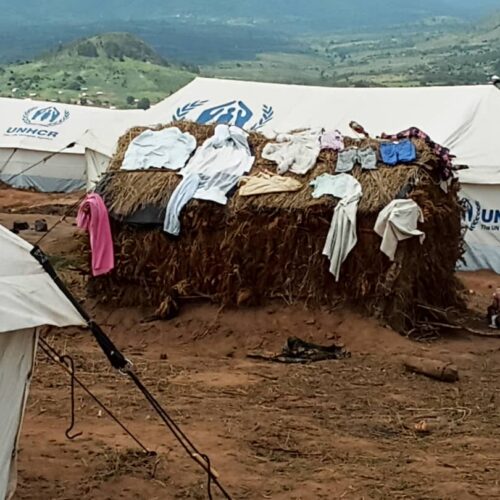
Starving children in a Burundian asylum seeker site in South Kivu, June 2024
You might also like

DRC (Kalehe) : the Prime Minister brought support to victims of the Kalehe floods
The Prime Minister of the Democratic Republic of Congo, Sama Lukonde went this Saturday evening to the territory of Kalehe, in the province of South Kivu, after more than three
Goma : at least nine displaced women and girls raped by gunmen
The victims are settled in the Baraka site located west of the city of Goma, capital of North Kivu in eastern Congo. The perpetrators of the attack have not yet

Busuma : attempts to return to DR Congo, Congolese refugees arrested and forcibly returned to the camp
SOS Médias Burundi Ruyigi, January 28, 2026 — In recent days, several Congolese refugees from the Busuma camp, located in the district of Ruyigi, Buhumuza province, in eastern Burundi, have