Meheba (Zambia) : an equivalence of diplomas that does not satisfy
The UNESCO, in collaboration with the UNHCR and the Zambian Ministry ofEducation, have started a project to recognize refugees’ diplomas. This initiative is supposed to open up horizons for holders of recognized diplomas. However, beneficiaries note several irregularities.
INFO SOS Médias Burundi
The equivalence is called “Qualification Passport”.
Three promotions have already had their equivalence of university diplomas, general humanities, pedagogical and technical or even common core. At the Meheba pilot camp, at least 100 graduates have been qualified by a file review committee of this program which began in 2019 in Zambia.
But during an awareness-raising session at Meheba camp, refugees felt that these results were not satisfactory for a population of more than 100,000 people (including more than 10,000 Burundians) living in the Mantapala, Meheba and Mayukwayukwa camps, as well as urban refugees in Lusaka, the Zambian capital.
The objective, according to the commission composed of UNESCO, UNHCR and the Zambian Ministry of Education, is to give graduates the chance to use their skills either on the job market in Zambia or, possibly, in the third host country, for those who could benefit from resettlement. For others, they will be able to use this “Qualification Passport” to continue their secondary and university studies.
According to our sources, the commission must conduct investigations in the countries where the refugees come from to ensure the authenticity of the documents that make up the submitted file.
This is where many challenges arise.
For some, they fled without having their diplomas and reports. For others, “the countries they fled are reluctant or can even provide false information about someone to destroy their future”.
And, refugees add, the diplomas that are retained are only those issued before five years. “So, several of us have just spent more than ten years in exile, which means that we are no longer eligible”.
In addition to the awareness sessions, refugees are asking that the selection criteria be reviewed and relaxed to give a chance to a greater number.
Worse still, the “Qualification Passport” is valid for only five years. “It is very likely that this period may expire before the holder of the equivalence uses it anywhere. Why not give it a longer life?”, they ask.
However, the UNESCO does not agree. Its representatives give the example of a Congolese refugee who has just had a chance to do his master’s degree in Italy. In an awareness session at Meheba camp, they asked refugees to seize this opportunity offered to them.
While welcoming this initiative by humanitarians in Zambia, refugees suggest that there should be entrepreneurial, technical, professional or artistic training programs so that those who wish can acquire competitive knowledge on the job market in Zambia.
Meheba has more than 35,000 refugees, including more than 3,000 Burundians.
———-
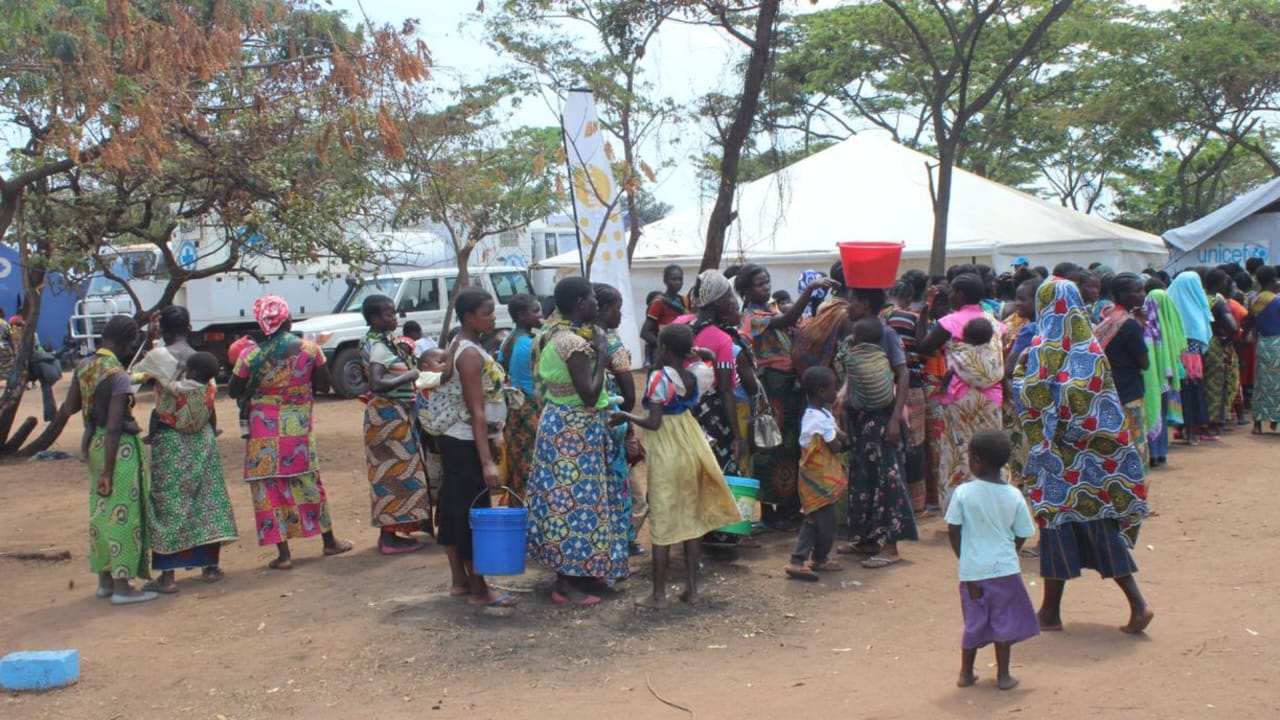
Refugees composed of women for the most part and their children in front of a health structure in Meheba (SOS Médias Burundi)
You might also like

Dzaleka (Malawi): at least 100 refugees detained
Last week, a riot broke out in Dzaleka camp in Malawi. Since then, the police have arrested the refugees alleged to be the perpetrators of the movement which led to
World Refugee Day 2025 : deafening silence, widespread famine, and trampled rights
SOS Médias Burundi Nairobi, June 19, 2025 – On the occasion of the World Refugee Day, celebrated every June 20, SOS Médias Burundi focused on the refugee situation in eight
 : an equivalence of diplomas that does not satisfy)
Bujumbura : Congolese targeted in repeated raids
SOS Médias Burundi Bujumbura, September 30, 2025 – Since last Friday, several Congolese living in different neighborhoods of Burundi’s commercial capital have been targeted by raids carried out by the