
Meheba (Zambia) : worrying increase in food prices on markets
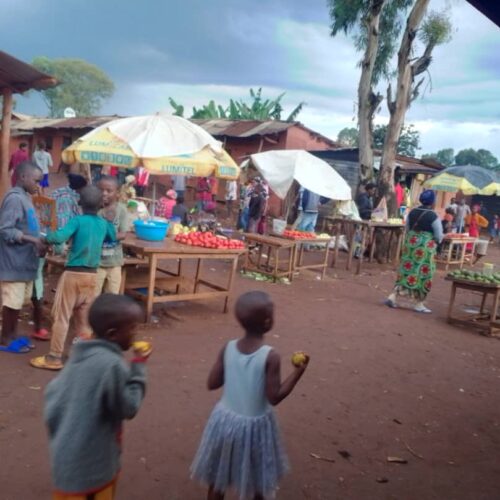
Refugees in the Meheba camp in Zambia are alarmed by the increase considered exorbitant in prices on the camp markets. The increase concerns all basic foodstuffs and is partly due to the farming season which is looking bad.
INFO SOS Médias Burundi
In the Meheba camp in Zambia, refugees say that it is difficult for them to bear the cost of living which has become increasingly expensive in recent times. They give the example of the increase in prices on the market.
“The price of 1 kg of maize has gone up from 30 to 50 Zambia kwacha, a 2.5 kg basket of rice and beans is now selling for 150 kwacha, compared to 90 kwacha just three months ago, the price of small grains has gone up from 120 to 150 kwacha, that of groundnuts has gone up from 80 to 120 Zambia kwacha, and finally, the price of potatoes has almost doubled, going from 45 to 80 kwacha per basket,” say refugees. One US dollar is equivalent to almost 26.63 Zambia kwacha.
According to these refugees, the reason for the price increase is the poor agricultural production in the northwestern region of Zambia, especially in the Kalumbila district where the camp is located.
“And given the climate change and the ongoing drought, there is little hope for a probable drop in prices,” they said desperately.
“Many people here barely eat once a day, especially the elderly or the disabled,” they add.
Refugees who spoke to SOS Médias Burundi are asking the UNHCR to think about assisting refugees, especially “in these difficult times triggered by natural disasters.”
“We especially want the UNHCR and humanitarian agencies to help us get seeds and manure,” refugees insist.
In Zambia, the government and humanitarian agencies are encouraging these vulnerable people to take care of themselves and avoid relying on assistance.
“When a refugee is welcomed, he is helped for 18 months, at a rate of 280 kwacha per month and after that, he is shown a plot of land to cultivate, or he does a small business to fly on his own,” we learned from an administrative source at the Meheba camp.
However, Burundian refugees indicate that “this assistance scheme was temporarily suspended four years ago and that after Covid-19, no assistance is provided”.
Refugees propose at least “a subsidy for traders and the harmonization of prices in the markets inside the Meheba camp”, as well as funding for self-development projects for the benefit of refugees to be able to support themselves.
“These NGOs like Caritas and World Vision could also organize us into self-development cooperatives and we are ready to cooperate in any initiative of this kind”, they reassure.
The Meheba camp has more than 27,000 refugees, including 3,000 from Burundi.
—-
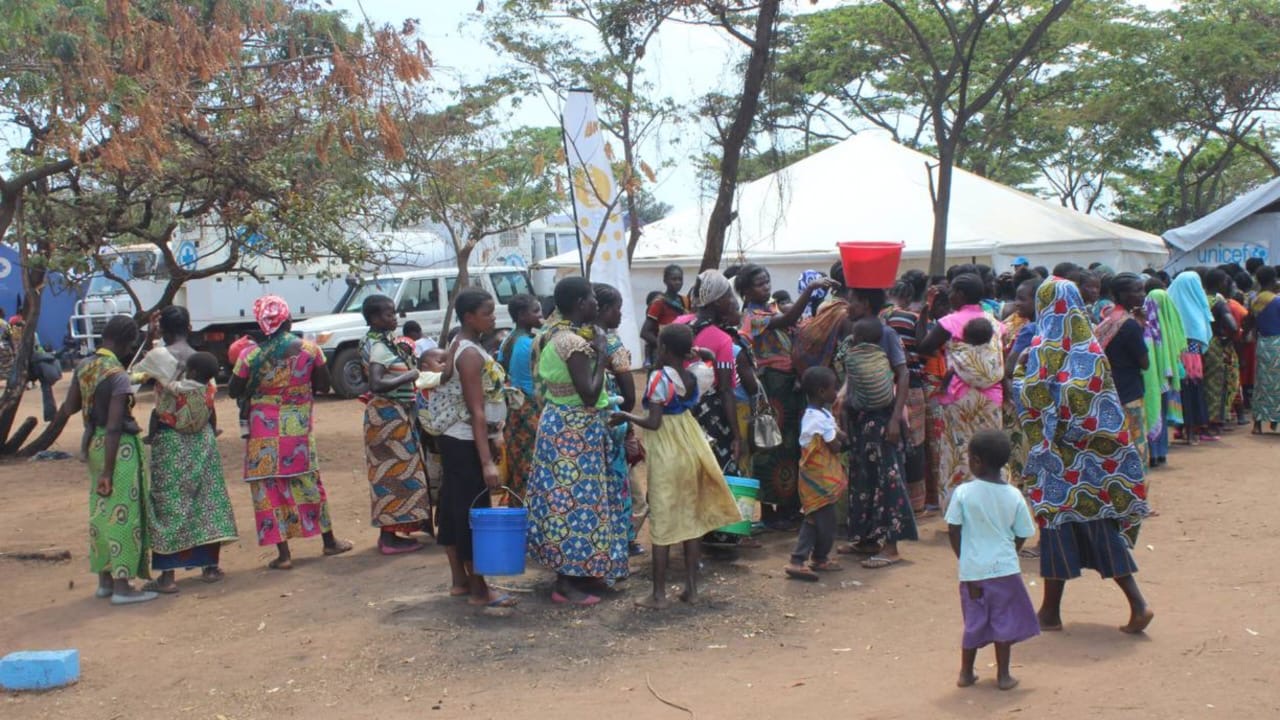
Refugees, mostly women, and their children in front of a health facility in Meheba (SOS Médias Burundi)
You might also like
Burundi: police checkpoints criticized for corruption and inefficiency
SOS Médias Burundi Bujumbura, January 22, 2026 – The checkpoints set up by the Burundi National Police (PNB) on the country’s major highways to secure travel are now the subject
Mahama (Rwanda) : several humanitarian NGOs close their doors, refugees in limbo
The humanitarian situation in the Mahama refugee camp, in eastern Rwanda, is rapidly deteriorating. Several NGOs have announced the closure of their programs, while others are drastically reducing their staff.
 : worrying increase in food prices on markets)
Muyinga : refugees gain greater freedom of movement, rules eased
SOS Médias Burundi Muyinga, June 24, 2026 – Congolese refugees living in the Musasa and Kinama camps in Butanyerera province, northeastern Burundi, now benefit from a relaxation of the rules