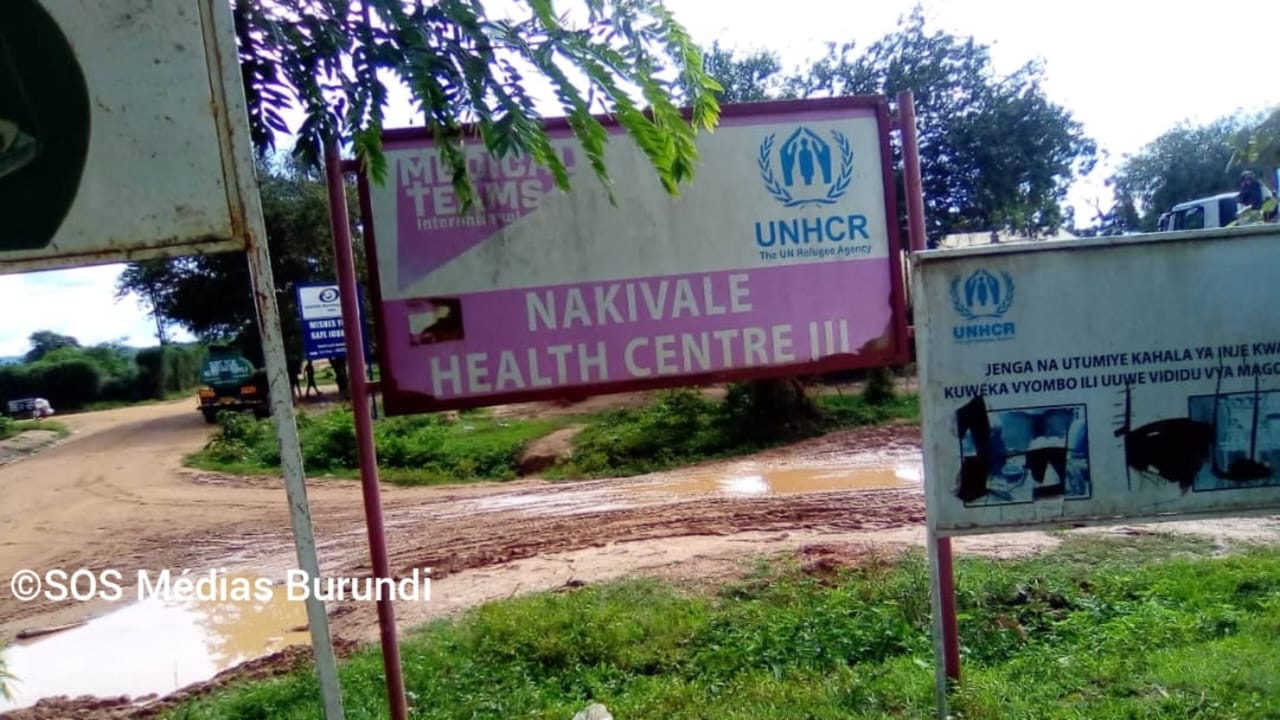
Nakivale (Uganda) : tuberculosis threatens refugees
SOS Médias Burundi
Nakivale, October 27, 2025 – About fifteen refugees have been admitted since the beginning of October to the Nyarugugu Health Center IV, designated to receive all tuberculosis cases in the Nakivale camp, Uganda.
Awareness and prevention in the villages
All health facilities in the camp are mobilized to limit the spread of the disease. The administration calls on community mobilizers, called Village Health Teams (VHTs), to conduct awareness campaigns, sometimes door-to-door.
The VHTs explain that the main signs of tuberculosis include a persistent cough lasting more than two weeks, sometimes with blood, fatigue, weight loss, loss of appetite, night sweats, and fever. Other symptoms may appear depending on the affected organ, such as chest pain, swollen lymph nodes, back pain, or burning sensation when urinating.
Screening and precautions
The camp is preparing to launch a large-scale screening campaign, encouraging residents to get tested. It is also recommended not to share cooking utensils or other objects with people showing signs of the disease.
Link to mental health and living conditions
Last Tuesday, as the camp celebrated the International Mental Health Day, officials took the opportunity to raise awareness among refugees about tuberculosis. Some refugees emphasize that diseases like tuberculosis can contribute to mental health problems, especially in the context of precarious living conditions.
“Tuberculosis can also be caused by a lack of adequate food or a balanced diet, and therefore it’s a pathway that has its roots in poor living conditions,” they explain, emphasizing the need to improve living conditions to reduce the number of patients.
A densely populated camp
The Nakivale camp is home to more than 150,000 refugees, including more than 33,000 Burundians. The mobilization of health and community structures remains crucial to prevent the spread of tuberculosis and protect the health of refugees.
You might also like

Mahama (Rwanda) : the assassination of at least eight Burundian refugees creates psychosis
Criminality has increased over the past two weeks in the Mahama refugee camp, housing Burundians and Congolese in eastern Rwanda. The most targeted are Burundians while Congolese are singled out

Malawi: more than 400 refugees from the Great Lakes region arrested by the police
Hundreds of Rwandan, Burundian and Congolese refugees, some running illegal businesses, have been arrested in Lilongwe and other towns across the country after refusing to return to Dzaleka refugee camp,
 : tuberculosis threatens refugees)
Rwanda/Uganda : shortage of drinking water in two Burundian refugee camps
The camps of Mahama in Rwanda and Nakivale in Uganda have recently been experiencing a worrying lack of drinking water. Reasons are diverse but consequences are worrying for refugees who