
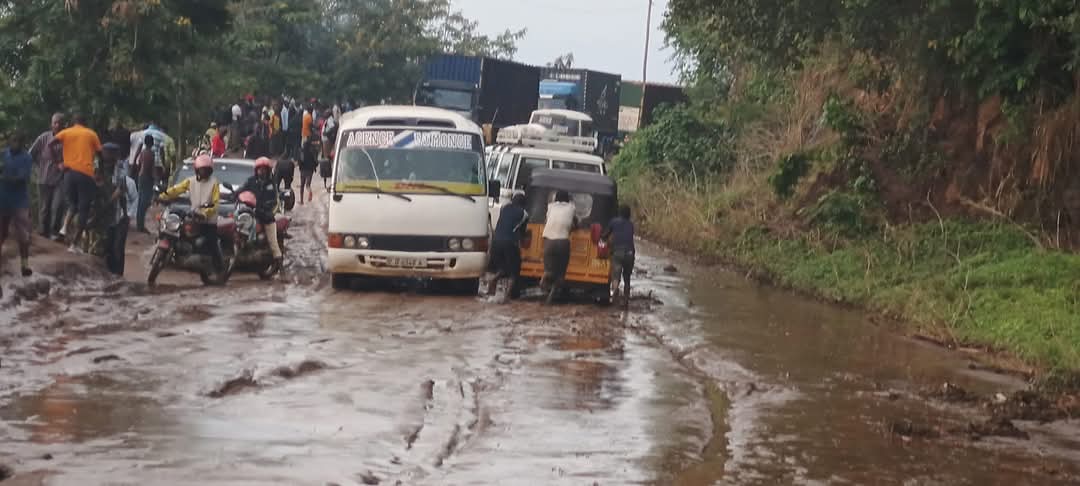
Deteriorating roads in Burundi : a neglected network, users at their wits’ end
SOS Médias Burundi
Bujumbura, March 30, 2026 — Across the small East African nation, road users—particularly those transporting goods and people—are sounding the alarm about the advanced state of road infrastructure. Between a lack of maintenance, overloaded vehicles, and haphazard interventions, the road network is deteriorating at an alarming rate, to the detriment of both the economy and security.
A road network in critical condition
Throughout the country, drivers are denouncing the poor condition of national, provincial, and local roads. Essential for opening up Burundi, a landlocked country, these infrastructures are suffering from a critical lack of maintenance.
Gaping potholes, subsidence, and sections of road cut off : according to several accounts, getting around has become a real ordeal. In some areas, the roads have become virtually impassable, exposing users to a constant risk of accidents.
A neglected, aging legacy
Most of these roads date back to the years 1977-1985, during the presidency of Colonel Jean-Baptiste Bagaza, often considered by a large segment of the Burundian public opinion as one of the few leaders to have significantly developed the country’s infrastructure.
But since then, this aging network has not received the necessary maintenance to ensure its longevity.
“Without regular maintenance, any road eventually deteriorates, especially under the effects of traffic,” explains a road construction engineer, contacted on condition of anonymity.
Overloading and non-compliance with regional standards
The situation is exacerbated by the overloading of freight vehicles. While the East African Community imposes strict tonnage limits, these are largely ignored on Burundian roads.
In the north and northeast of the country, strategic transit zones, trucks and trailers from Tanzania and Kenya travel daily, increasing the pressure on already fragile roads.
This disregard accelerates road wear and compromises the longevity of the road network.
Rain and terrain : aggravating factors
Climate hazards also play a decisive role. Heavy rains regularly cause landslides, rockfalls, and damage to drainage systems.
In a country with rugged terrain, these phenomena further weaken roads that are already severely deteriorated.
Uncontrolled interventions in urban areas
In major urban centers like Bujumbura (the commercial capital), Gitega (the political capital), as well as in northern and northeastern cities such as Ngozi, Kayanza, and Muyinga, residents are denouncing practices they deem irresponsible.
Roads are frequently opened for the installation or repair of utility networks by REGIDESO—the sole public company responsible for water and electricity distribution—and by ONATEL, the state-run telephone company.
According to local sources, this work is often carried out without prior authorization, without road repairs, and without any guarantee mechanism for its rehabilitation.
“These practices expose road users to accidents and worsen the deterioration of the roads,” laments a local source.
Strategic roads severely affected
Several national highways, vital to the economy, are now in critical condition.
Despite repeated warnings from road users, no concrete response has yet been provided by the relevant authorities.
A hindrance to development and a daily danger
The deterioration of the road network directly impacts the transport of goods, the mobility of the population, and, more broadly, the country’s economic development.
It also constitutes a major factor in road insecurity, with increased risks of accidents.
A national emergency ignored?
Faced with the scale of the problem, road users are calling for urgent intervention from the authorities to rehabilitate the roads, establish regular maintenance, enforce transport standards, and strictly regulate the operations of public companies.
Because beyond mere inconvenience, it is an entire economy that is slowing down—and lives that are being endangered—on roads that have become the symbol of a neglect that dare not speak its name.
You might also like
Makamba : big losses among sugar wholesale traders who are abandoning this trade
The sugar wholesale traders announced that they were stopping this activity during a meeting with the governor of Makamba (southern Burundi) last Wednesday. They indicate losing up to 800 Burundi

Rumonge : four traders arrested for speculation
Ezechiel Mpawenimana, Mediatrice Irankunda, Bella Irakoze and Antoine Ntunzwenimana, all bar owners in the town center of the Magara zone, in Bugarama district in the Rumonge province (southwest Burundi), were
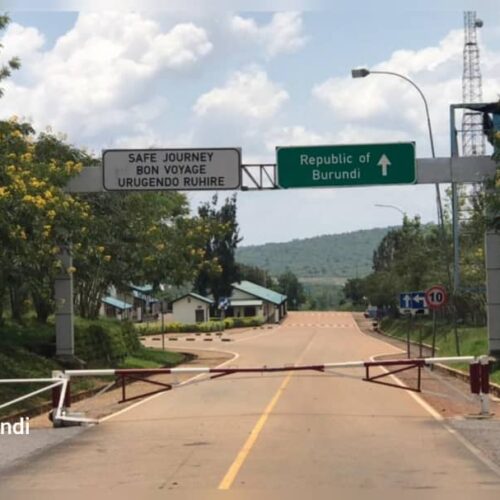

Rwanda-Burundi: Burundi says it has reopened its borders with Rwanda
It is the Burundian foreign affairs minister who announced it on Tuesday. Albert Shingiro, however, reaffirmed the intention of the Burundian government to see Kigali extradite putschists it has hosted