Burundi : the Prime Minister calls for local consumption to preserve foreign currencies
SOS Médias Burundi
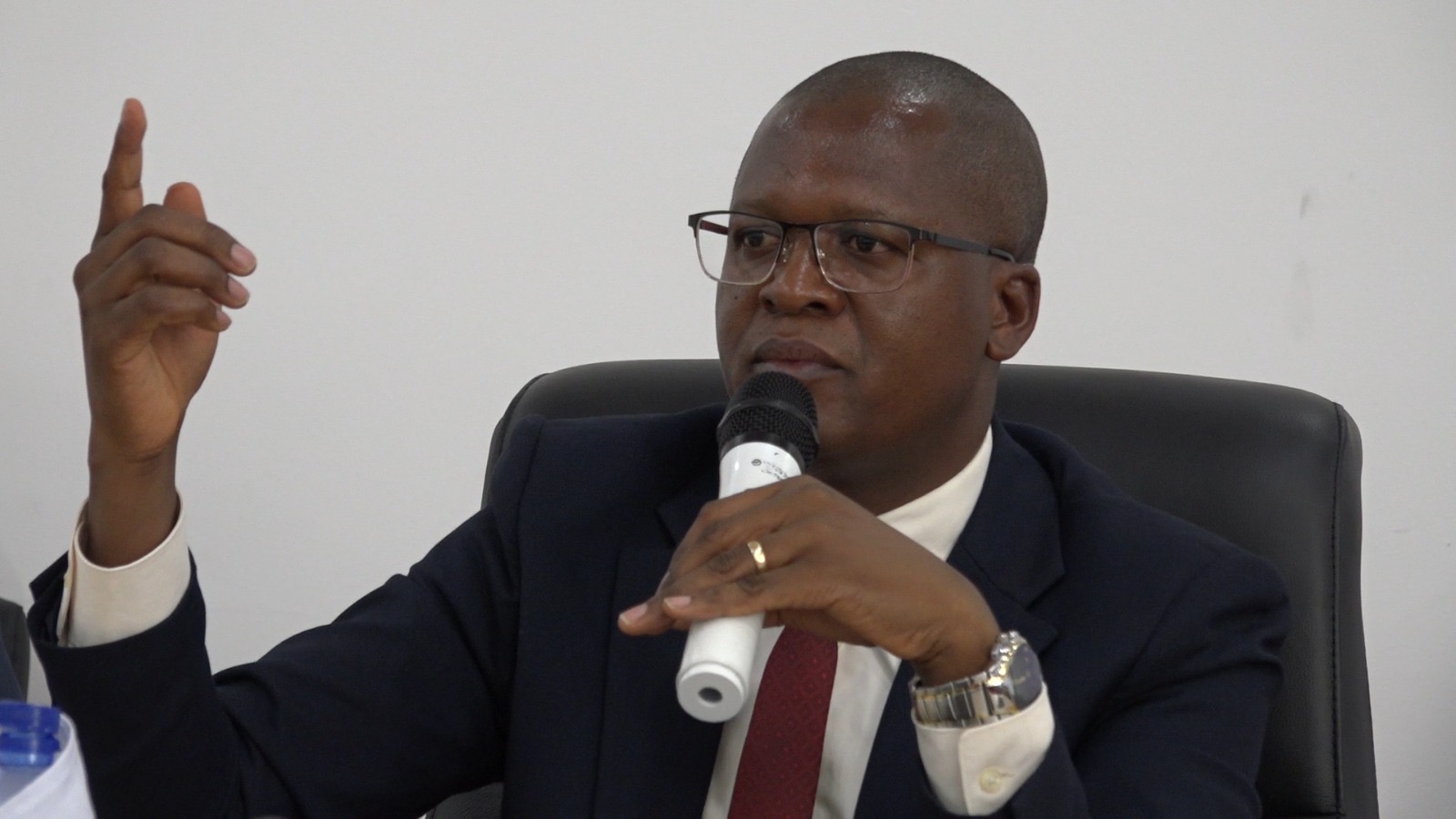
Bujumbura, October 8, 2025 — Faced with the scarcity of foreign currencies and the continued depreciation of the Burundi franc, the Burundian government is calling for a change in economic behavior. Prime Minister Nestor Ntahontuye emphasized the promotion of local products and the reduction of imports deemed unnecessary, during a meeting held on Monday, October 6, 2025, in the commercial capital, Bujumbura, with administration officials, economic operators, and agro-pastoralists.
Mr. Ntahontuye warned against purchasing products already manufactured in Burundi from abroad :
“Buying what we produce here from abroad is wasting our foreign currencies and weakening our economy,” he declared.
The Prime Minister stated that a law has already been drafted to reduce imports of locally available products. From now on, only imports of goods unavailable on the national market will be authorized.
“All public companies, corporations, and industries have been instructed to prioritize local sourcing whenever alternatives are available,” added Mr. Ntahontuye.
This policy is part of the national import substitution policy, aimed at reducing external dependence, stimulating local production, strengthening the competitiveness of Burundian companies, and increasing exports.
Economic objectives of the measure
According to the government, this initiative should :
Increase exports;
Create new jobs;
Stabilize foreign exchange reserves, which are essential for the country’s economic development.
The civil society’s perspective
In this context, the Burundian civil society is calling for additional structural measures to strengthen the economy. Faustin Ndikumana, president of the organization Speech and Actions for the Revival of
Conscientiousness and the Evolution of Mentalities (PARCEM), advocates for the independence of the Burundi Central Bank (BRB).
At a press conference in July 2025, he denounced the BRB’s opaque management and political dependence, which he considers harmful to the national economy. He proposes that the Central Bank return to the Ministry of Finance to establish more rigorous regulation and ensure equitable management of monetary resources.
“Its independence and professionalism must be guaranteed so that it serves the general interest, not particular interests,” insisted Mr. Ndikumana.
The activist warns against any political exploitation of the BRB and calls for a clear separation between technical responsibilities and political agendas.
A national emergency
Between the shortage of foreign currencies, dependence on imports, and the need to stimulate local production, the government and the civil society agree on the urgent need for concerted action. For both Mr. Ntahontuye and Mr. Ndikumana, promoting Burundian products and good monetary governance are essential levers for stabilizing the economy and strengthening the country’s resilience in the face of crises.
Burundi is currently experiencing the worst economic crisis in its history, exacerbated by a fuel shortage that has persisted for nearly five years.
You might also like
Bujumbura: President Neva wants to transform all civil servants into street cleaners
Burundian President Évariste Ndayishimiye announced Saturday that he intends to transform all civil servants into street cleaners with the exception of doctors and judges starting next week. He said he
Bubanza : Christmas celebrated amid high cost of living and precariousness
SOS Médias Burundi Bubanza, December 25, 2025 – In Bubanza, as in several regions of Burundi, Christmas 2025 was celebrated amidst precarious living conditions and soaring prices for basic necessities.


Burundi: IDHB notes a precarious lull and a fierce struggle at the top of the regime
The Initiative for Human Rights in Burundi, IDHB, has released its annual report describing a fierce struggle at the top of the Burundian administration which seems to hide a lull